Why Is Backward Design Important Understanding By Design Center For Teaching Vanderbilt University Backward Design Fundamentals What Is Backward Design Backwards Design Learning Outcomes Research Guides At University Of Backward Design Educational Technology Wiggins And Mctighe Backward Design Planning Model Coub Step 3 Map the course learning experiences instruction and assessment Practice this process using this template In this template think of goals as the course learning outcomes CLOs the essential understandings as the core concepts and competencies and performance tasks as the learning objective Consider the content
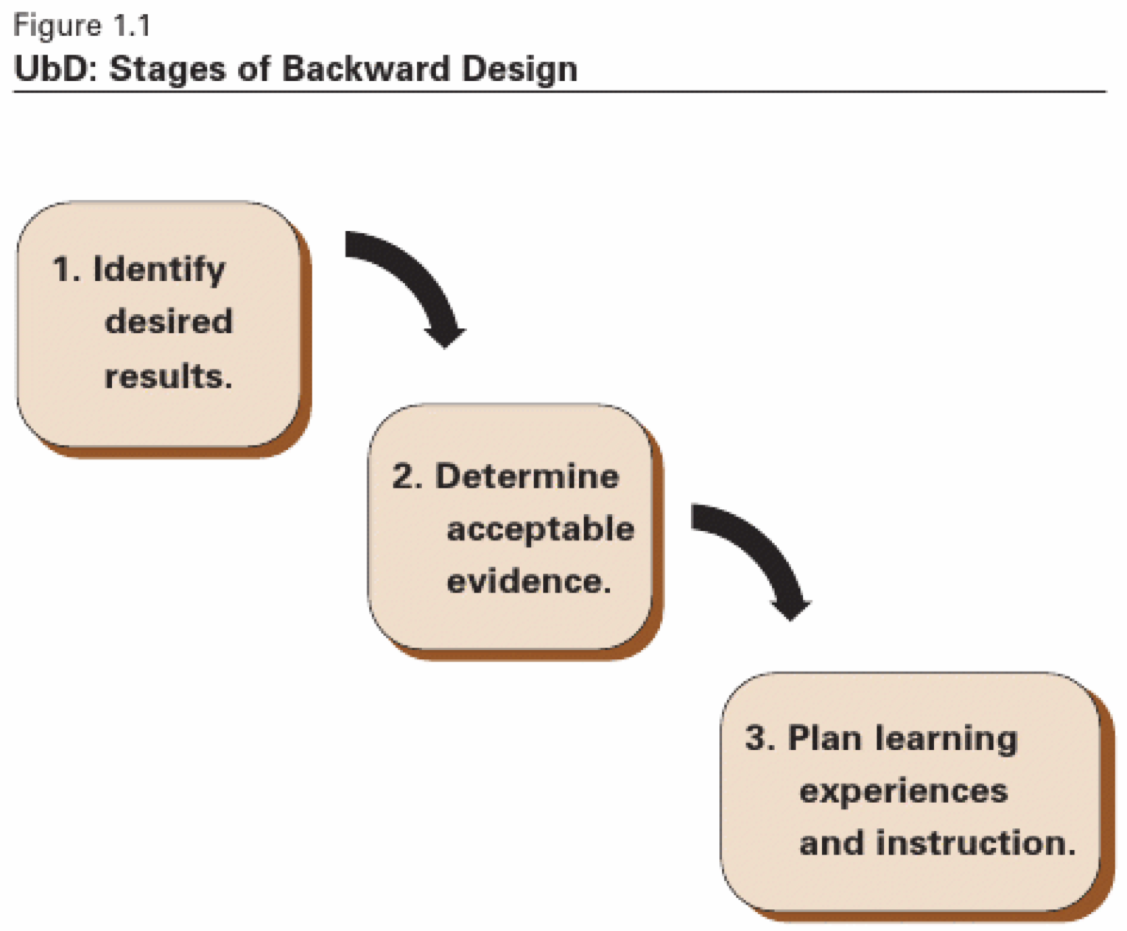
The Backward Design Process The logic of backward design suggests a planning sequence for curriculum This sequence has three stages shown in Figure 1 1 In this section we examine these stages and illustrate their application with an example of a design for a 5th grade unit on nutrition Stage 1 Backward design Backward design is a method of designing an educational curriculum by setting goals before choosing instructional methods and forms of assessment Backward design of curriculum typically involves three stages 1 2 3 Focus on the big ideas principles theories concepts point of views or themes What teachers will
Wiggins And Mctighe Backward Design Planning Model Coub MarleneLA2 Backward Design Model What Is Backward Design In Education Creating Interference MarleneLA2 Backward Design Model Rollins School Of Public Health Backward Design I m Not Sure What To Think About Backward Design Module 1 Designing An Online Course Where Do I Start Eastern What Is Backward Design ESPA OL CON SRA MALONE Een Onderwijsstrategie Die U Tijd Kan Besparen Chaining Gelee Royale
Why Is Backward Design Important
 Why Is Backward Design Important
https://cdn.vanderbilt.edu/vu-wp0/wp-content/uploads/sites/59/2017/05/03135727/backwarddesign.png
Understanding by Design is a book written by Grant Wiggins and Jay McTighe that offers a framework for designing courses and content units called Backward Design Instructors typically approach course design in a forward design manner meaning they consider the learning activities how to teach the content develop assessments
Pre-crafted templates provide a time-saving solution for producing a diverse series of files and files. These pre-designed formats and layouts can be made use of for different individual and professional jobs, consisting of resumes, invites, leaflets, newsletters, reports, presentations, and more, enhancing the content production procedure.
Why Is Backward Design Important
Backward Design Teaching Online Teaching Center University Of

MarleneLA2 Backward Design Model
What Is Backward Design In Education Creating Interference
MarleneLA2 Backward Design Model

I m Not Sure What To Think About Backward Design
Module 1 Designing An Online Course Where Do I Start Eastern
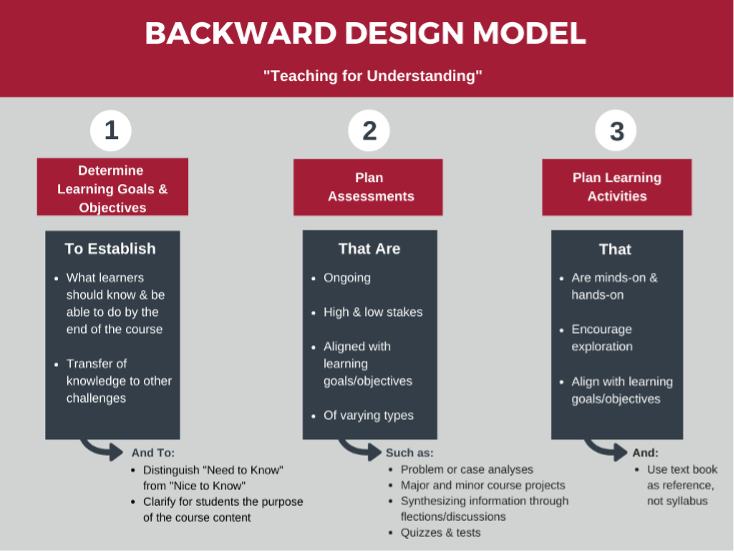
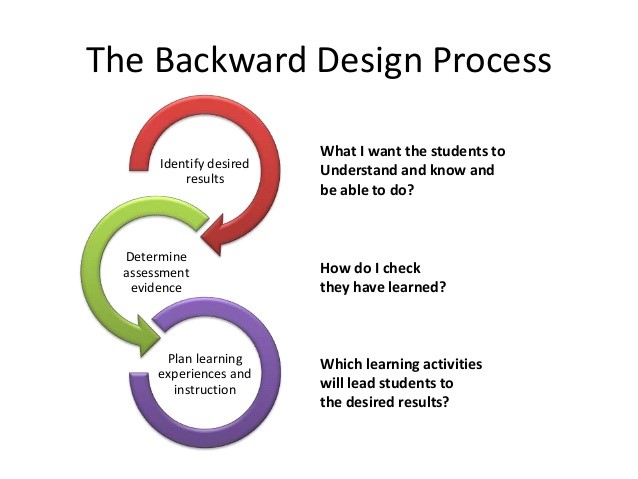
Backward design begins with the learning objectives of a lesson module or course what students are expected to learn and be able to do and then proceeds backward to create assessments that demonstrate students have learned what was outlined in the learning objectives Finally instructors create learning activities and instructional materials that align with and support the

Backward design Backward Design is an approach to creating curriculum subjects and even single class sessions that treats the goal of teaching as not merely covering a certain amount of content but also facilitating student learning Backward design prioritizes the intended learning outcomes instead of topics to be covered

Backward design also called backward planning or backward mapping is a process that educators use to design learning experiences and instructional techniques to achieve specific learning goals Backward design begins with the objectives of a unit or course what students are expected to learn and be able to do and then proceeds backward to create lessons that achieve those desired

Backward Design A Powerful Course Design Method with Guidelines and equally important why Backward design has inspired higher education through two publications Grant Wiggins and Jay McTighe s Understanding by Design intended for K 12 teachers and L Dee Fink s Creating Significant Learning Experiences

Understanding by Design is a book written by Grant Wiggins and Jay McTighe that offers a framework for designing courses and content units called Backward Design Instructors typically approach course design in a forward design manner meaning they consider the learning activities how to teach the content develop assessments
Backward design according to the Glossary of Education Reform is a process that educators use to design learning experiences and instructional techniques to achieve specific learning goals Coined by Grant Wiggins and Jay McTighe this approach is also called Understanding by Design UbD This approach to curricular planning emphasizes outcomes and assessment as foundational to content In the simplest terms Backward Design is like planning a treasure hunt Instead of starting with the first clue you begin by planting the treasure your final learning goal Once the treasure is in place you then work backward to create the clues learning activities and assessments that lead to it
Backward design is a useful process for planning the parts of a course not just your overall course design You can use it to design a single assignment or class activity a lesson plan or an individual unit or module While the steps are presented in a recommended order the backward design process is iterative