What Is Network Database Model PPT Hierarchical Database Model PowerPoint Presentation Free All About Relational Database Models Smartsheet 2022 1 18 Eng Network Database Model In DBMS In English What Is Network What Is Network Database What Is The Difference Between Hierarchical Network And Relational A database model is the logical representation of the database i e the constraints and the relationship between the stored data The network model in DBMS is a hierarchal structure but is different from the hierarchal database model
In computing the network model is a database model conceived as a flexible way of representing objects and their relationships Its distinguishing feature is that the schema viewed as a graph in which object types are nodes and relationship types are arcs is not restricted to being a hierarchy or lattice A database management system complies with the network data model when the data it manages are organized as data records connected through binary relationships Data processing is based on navigational primitives according to which records are accessed and updated one at a time as opposed to the set orientation of the relational query languages
What Is The Difference Between Hierarchical Network And Relational DBMS Network Model Learn The Advantages And Disadvantages Network Database Model PowerPoint And Google Slides Template PPT Slides Entity Relationship Diagram ERD Example For A Computer Store s Network Data Model In DBMS Database Management System Components And Characteristics Maximizing Efficiency And Redundancy Unlock The Benefits Of Network The Network Database Model In The Documentoriented Database Download What Is A Hierarchical Database
What Is Network Database Model
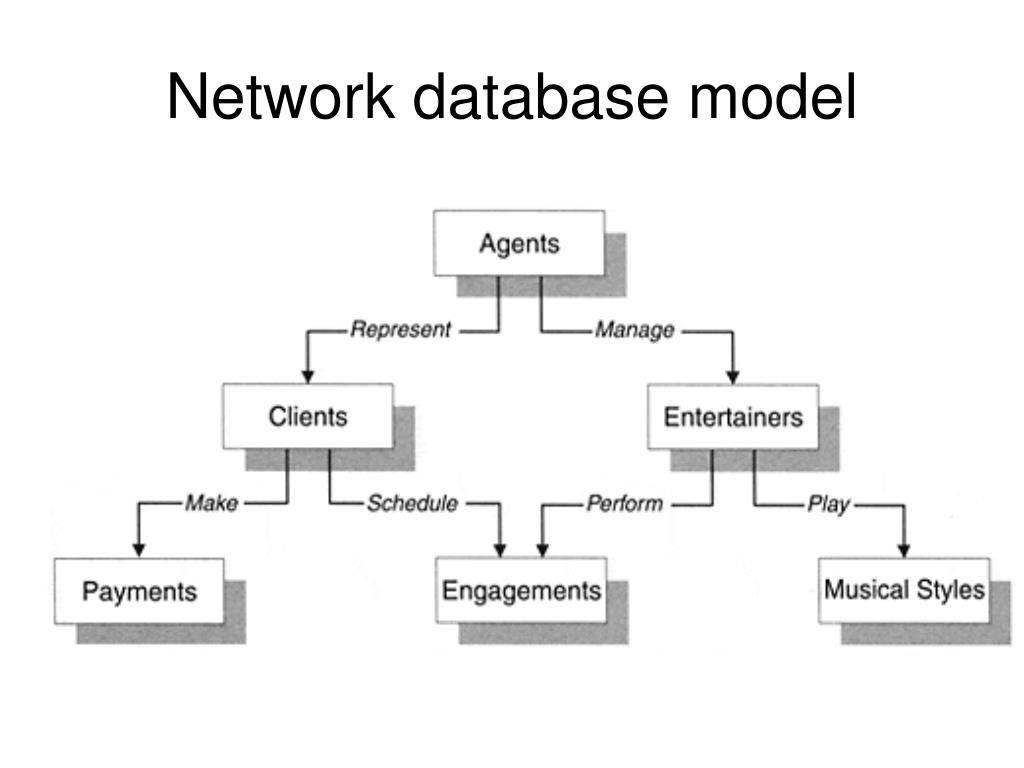 What Is Network Database Model
https://image2.slideserve.com/4935970/network-database-model-l.jpg
A database organized according to ownership of records allowing records to have multiple owners and thus providing multiple access paths to the data Database management systems DBMSs providing such capabilities are also known as CODASYL Conference on Data Systems Languages DBMSs
Pre-crafted templates use a time-saving service for producing a varied variety of files and files. These pre-designed formats and designs can be made use of for various personal and professional jobs, consisting of resumes, invitations, leaflets, newsletters, reports, discussions, and more, streamlining the material production process.
What Is Network Database Model
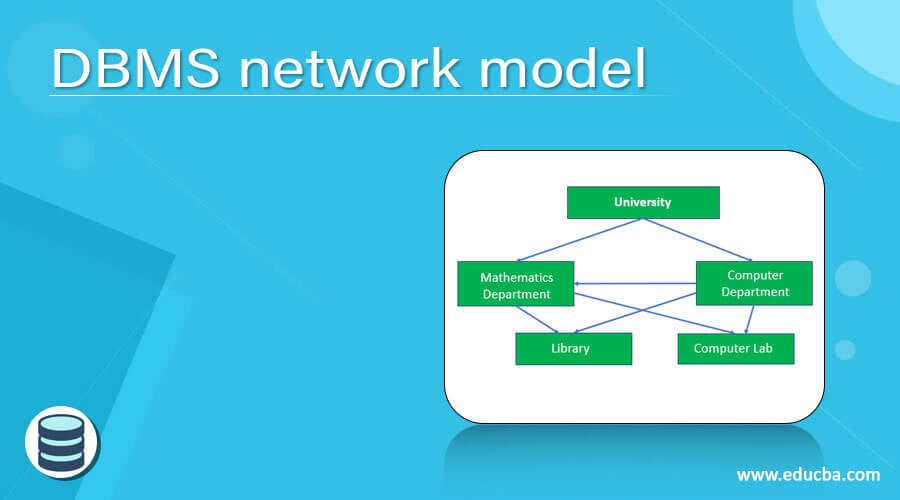
DBMS Network Model Learn The Advantages And Disadvantages
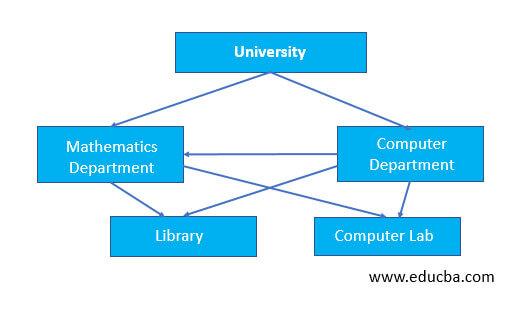
DBMS Network Model Learn The Advantages And Disadvantages
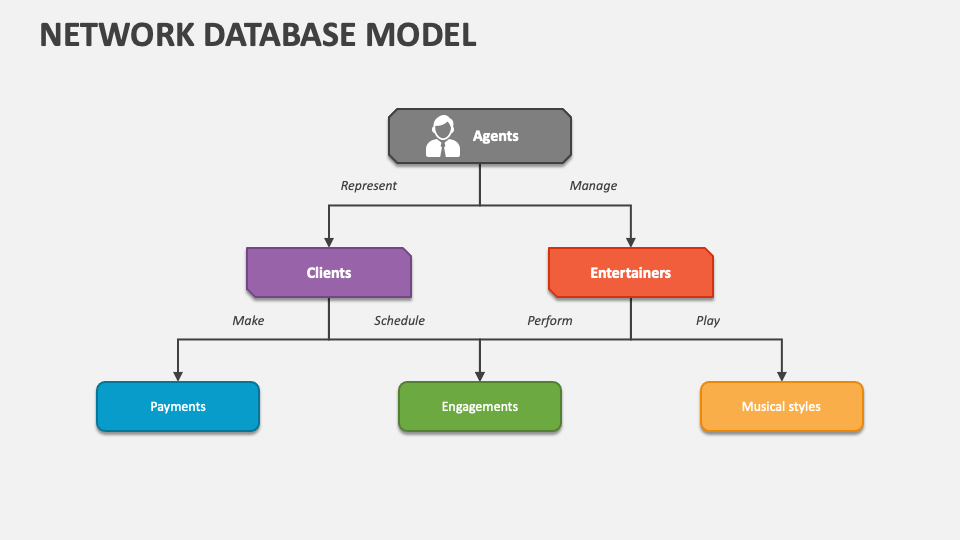
Network Database Model PowerPoint And Google Slides Template PPT Slides

Entity Relationship Diagram ERD Example For A Computer Store s

Database Management System Components And Characteristics

Maximizing Efficiency And Redundancy Unlock The Benefits Of Network
Network Model This model was formalized by the Database Task group in the 1960s This model is the generalization of the hierarchical model This model can consist of multiple parent segments and these segments are grouped as levels but there exists a logical association between the segments belonging to any level

The network database model is a model for modeling the entities in such a way that one child entity can have more than one parent entity In 1969 the network model was presented by Charles Bachman Example of a network model Figure a network model

What Does Network Model Mean A network model is a database model that is designed as a flexible approach to representing objects and their relationships A unique feature of the network model is its schema which is viewed as a graph where relationship types are arcs and object types are nodes

Understanding the Network Database Model The network database model was a progression from the hierarchical database model and was designed to solve some of that model s problems specifically the lack of flexibility Instead of only allowing each child to have one parent this model allows each child to have multiple parents it calls the

A network database is a database model where numerous records or files can link to multiple owner files and vice versa The model can be represented by an upside down tree where every member s information branch attaches to the bottom of the tree owner
[desc-11] [desc-12]
[desc-13]