After Modal Verbs We Use Modal Verbs A Complete Grammar Guide About Modal Verb 7ESL English Modal Verbs Could English Study Here Pin On Modals Esl Grammar Modal Verbs Exercises Plmdoc Modal Verbs Should English Study Here We use can in simple present Example Max can already change a tyre We can use the alternative form to be able to in all tenses present past perfect progressive and future Example In two years time Max will be able to do everything in the garage We use could or the alternative form was were able to in simple past We use could for general ability and with the verbs feel hear
They are a type of auxiliary verb we use with other verbs to add more meaning to the verb After modal verbs we use the infinitive form without to Modals are not used with the auxiliary verb do to form the negative we add not after the modal To ask questions we put the modal in front of the subject Hey you couldn t pass me that plate Modal verbs will would should may can could might must precede another verb Modals do not have subject verb agreement or take the infinitive to before the next verb This handout shows how modals in academic writing can change a sentence s meaning into a prediction suggestion or a question Modals can also serve a social
Modal Verbs Should English Study Here More Modals Please Modal Verbs Can Or Could English Study Here Past modal verbs deduction new Lexis English Modal Verbs COULD English Study Page Modal Verbs A Complete Grammar Guide About Modal Verb 7ESL Modal Verbs And Example Sentences Lessons For English Modal Verbs And Its Types EAge Tutor 41 Ejemplos De Modal Verbs Can Full Super Lativo
After Modal Verbs We Use
 After Modal Verbs We Use
https://i.pinimg.com/originals/3b/11/d3/3b11d387c28dc76f1a6fc8d69e0d055e.jpg
Guiding questions modals Which form of the main verb is used after modal verbs Can a modal follow another modal Does a modal have only one meaning Can the same meaning be expressed with different modals How do we use modals to refer to past present and future times Modals Modals Types of modals
Templates are pre-designed documents or files that can be utilized for various purposes. They can save time and effort by offering a ready-made format and design for developing various kinds of material. Templates can be utilized for individual or expert tasks, such as resumes, invites, leaflets, newsletters, reports, presentations, and more.
After Modal Verbs We Use
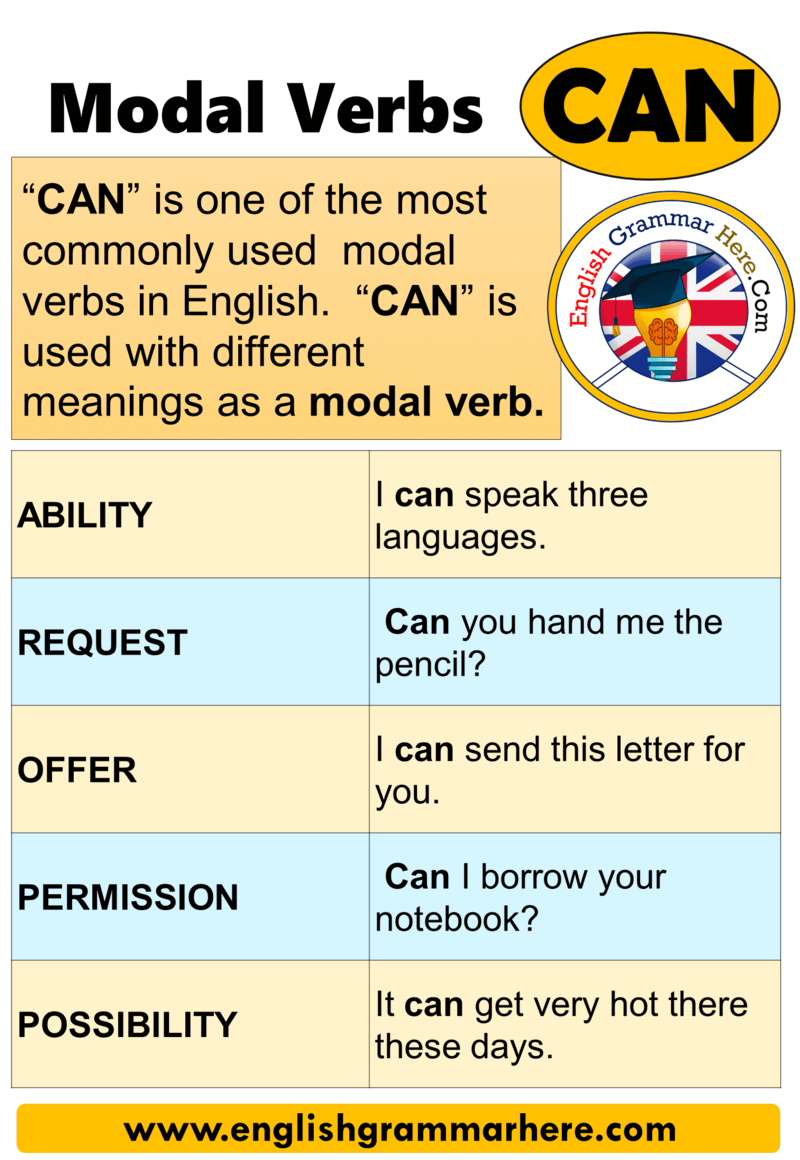
Modal Verbs Can How To Use Modal Verbs In English English Grammar Here
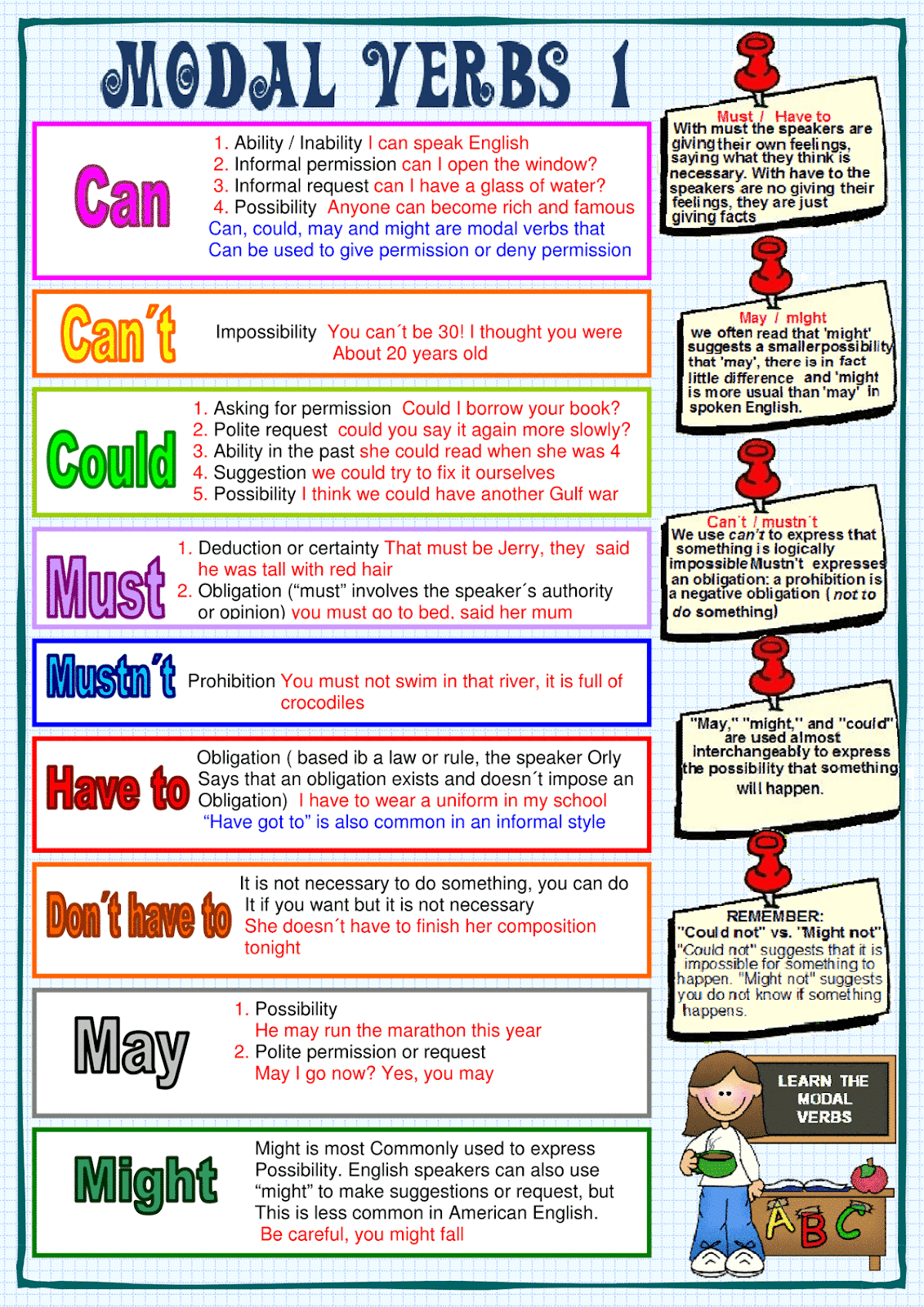
More Modals Please

Modal Verbs Can Or Could English Study Here

Past modal verbs deduction new Lexis English
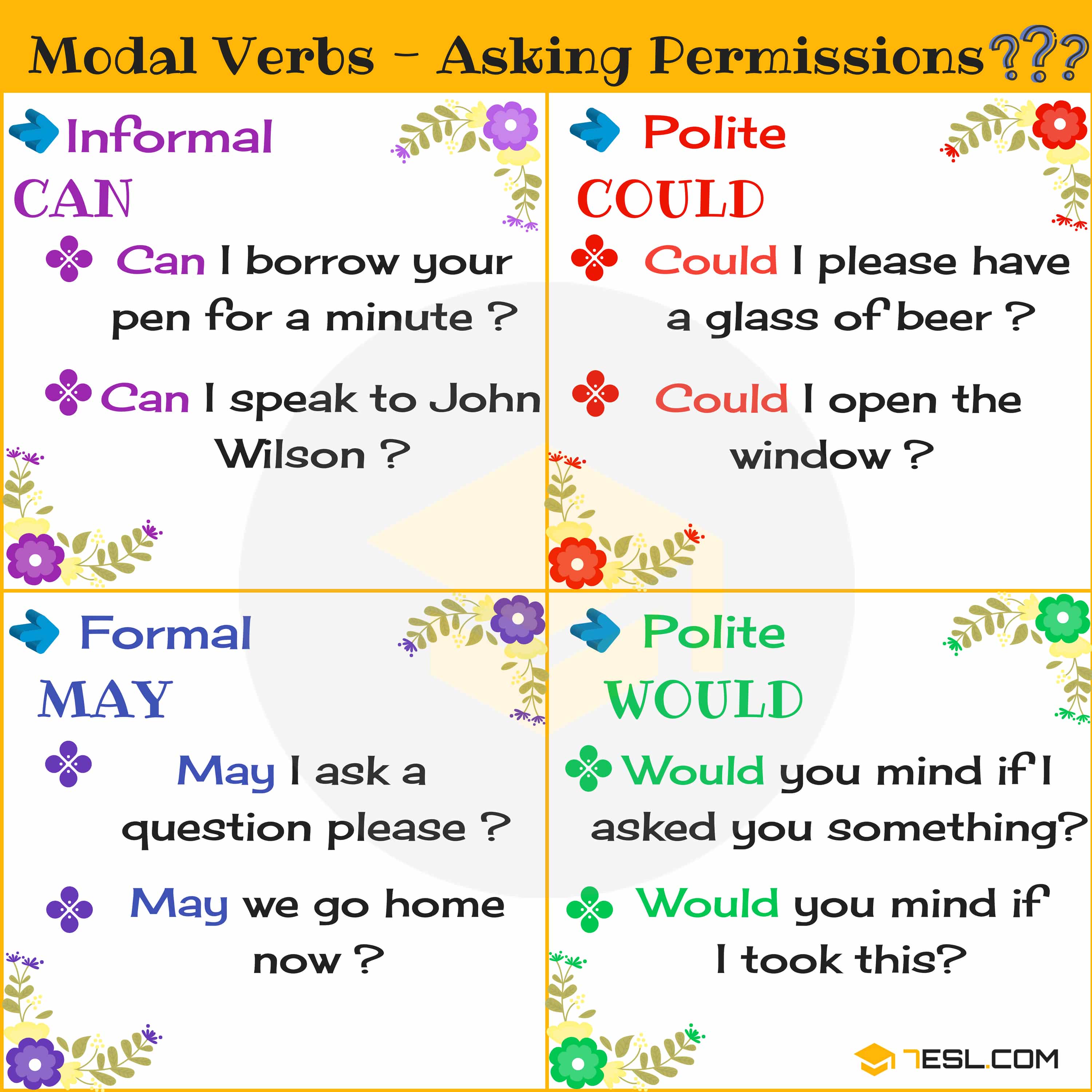
Modal Verbs A Complete Grammar Guide About Modal Verb 7ESL
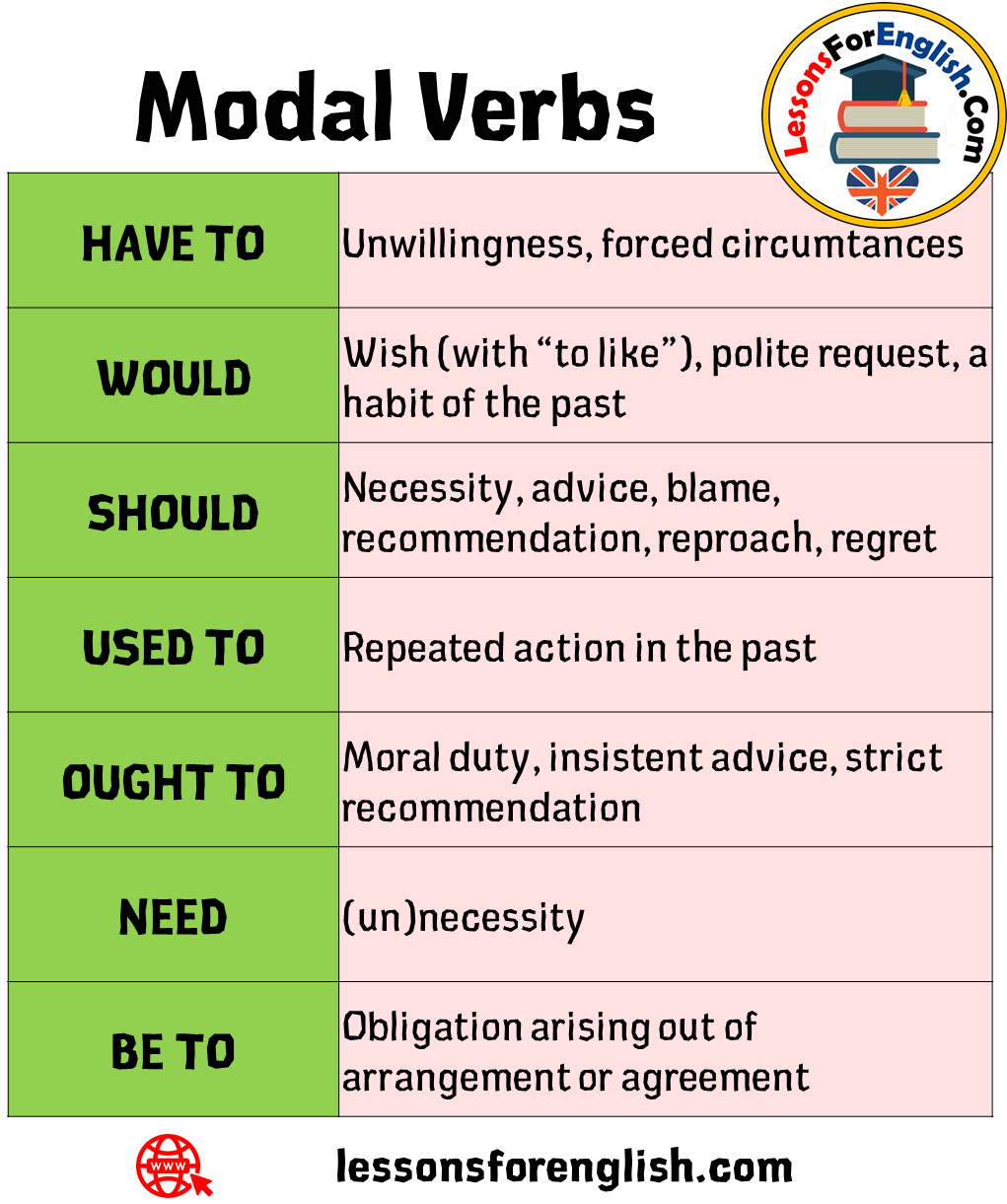
Modal Verbs And Example Sentences Lessons For English

We already covered the simple present above but you can also use modal verbs in the present continuous and present perfect continuous tenses Present continuous After the modal verb use the word be followed by the ing form of the main verb modal verb be verb in ing form

The infinitive is used after modal verbs semi modal verbs also called marginal modals and other modal expressions Modal verbs Modal verbs can could may might will shall would should and must are followed by a bare infinitive I could hear the dog barking outside You must be joking He may have caught the train You should have told me earlier

Level beginner We use modals to show if we believe something is certain possible or impossible My keys must be in the car It might rain tomorrow That can t be Peter s coat It s too small We also use them to do things like talk about ability ask permission and make requests and offers I can t swim

Other modal verbs can be used to show willingness certainty necessity ability permission advice and possibility How Do We Use Modals There are many ways we can use modal verbs Follow these formulas when constructing your sentences Can Could Be Able To Use these modal verbs to show a subject s ability or lack of ability

Here s a list of the modal verbs in English 1 They don t use an s for the third person singular 2 They make questions by inversion she can go becomes can she go 3 They are followed directly by the infinitive of another verb without to
Infinitives with and without to English Grammar Today a reference to written and spoken English grammar and usage Cambridge Dictionary PASSIVE INFINITIVE The passive infinitive is used in some constructions of the passive voice and is common after modal verbs We use the passive infinitive when we want to focus on the receiver or when we do not want to mention the agent the person who does the action The carpet needs to be washed These doors should be shut at night He is going to be interviewed tomorrow
Might Must Shall Should Will Would Each of these modal verbs has a specific meaning and usage in English For example can is used to express ability may is used to express possibility and must is used to express necessity Modal verbs are also used to create different tenses in English