What Is Power Distribution Network Machines Free Full Text Fault Location In Distribution Network By Investments Of RON 1 6 Billion In The Electricity Distribution Network What Is Power Distribution With Pictures My XXX Hot Girl Https www epfl ch labs desl pwrs wp content uploads 2018 10 Research THEMATIC LINES ARISE Associated Laboratory A low voltage network or secondary network is a part of electric power distribution which carries electric energy from distribution transformers to electricity meters of end customers Secondary networks are operated at a low voltage level which is typically equal to the mains voltage of electric appliances Most modern secondary networks are
A utility power transmission and distribution system controls protects transforms and regulates electrical power so it can be safely delivered to the user The utility power transmission and distribution system begins at the point of power production and normally ends at a building metered service entrance point which is where the building B 3 Distribution Distribution networks carry power the last few miles from transmission or sub transmission to consumers Power is carried in distribution networks through wires either on poles or in many urban areas underground Distribution networks are distinguished from transmission networks by their voltage level and topology
THEMATIC LINES ARISE Associated Laboratory Power Distribution System Analysis 46 slide PowerPoint Presentation What Is Power Distribution with Pictures Power Distribution Network Explained To Electrical Engineers POWER DISTRIBUTION SOLUTIONS By Mmrksa Issuu Electric Kinston NC D ng Ch y C a N ng L ng i n BKAS CO LTD Currently Used Tools For Distribution System Analysis MATLAB Number ONE 3 Grid Connection Earthmill Sustainable Energy Specialists
What Is Power Distribution Network
 What Is Power Distribution Network
https://pub.mdpi-res.com/machines/machines-11-00109/article_deploy/html/images/machines-11-00109-g001.png?1673616563
The distribution voltage is then transformed to low voltage LV either for lighting and small power applications or for electrical motors which is usually fed from a dedicated motor control center MCC This is illustrated in Figure 1 3 Figure 1 3 Typical power distribution network Note Voltage levels are defined internationally as follows
Templates are pre-designed documents or files that can be used for different functions. They can conserve effort and time by offering a ready-made format and design for producing different kinds of material. Templates can be used for personal or professional jobs, such as resumes, invites, flyers, newsletters, reports, discussions, and more.
What Is Power Distribution Network

5 Electrical Distribution System Mapping Methods Southwest Electric

Power Distribution System Analysis 46 slide PowerPoint Presentation

What Is Power Distribution with Pictures

Power Distribution Network Explained To Electrical Engineers
Electric Kinston NC

D ng Ch y C a N ng L ng i n BKAS CO LTD
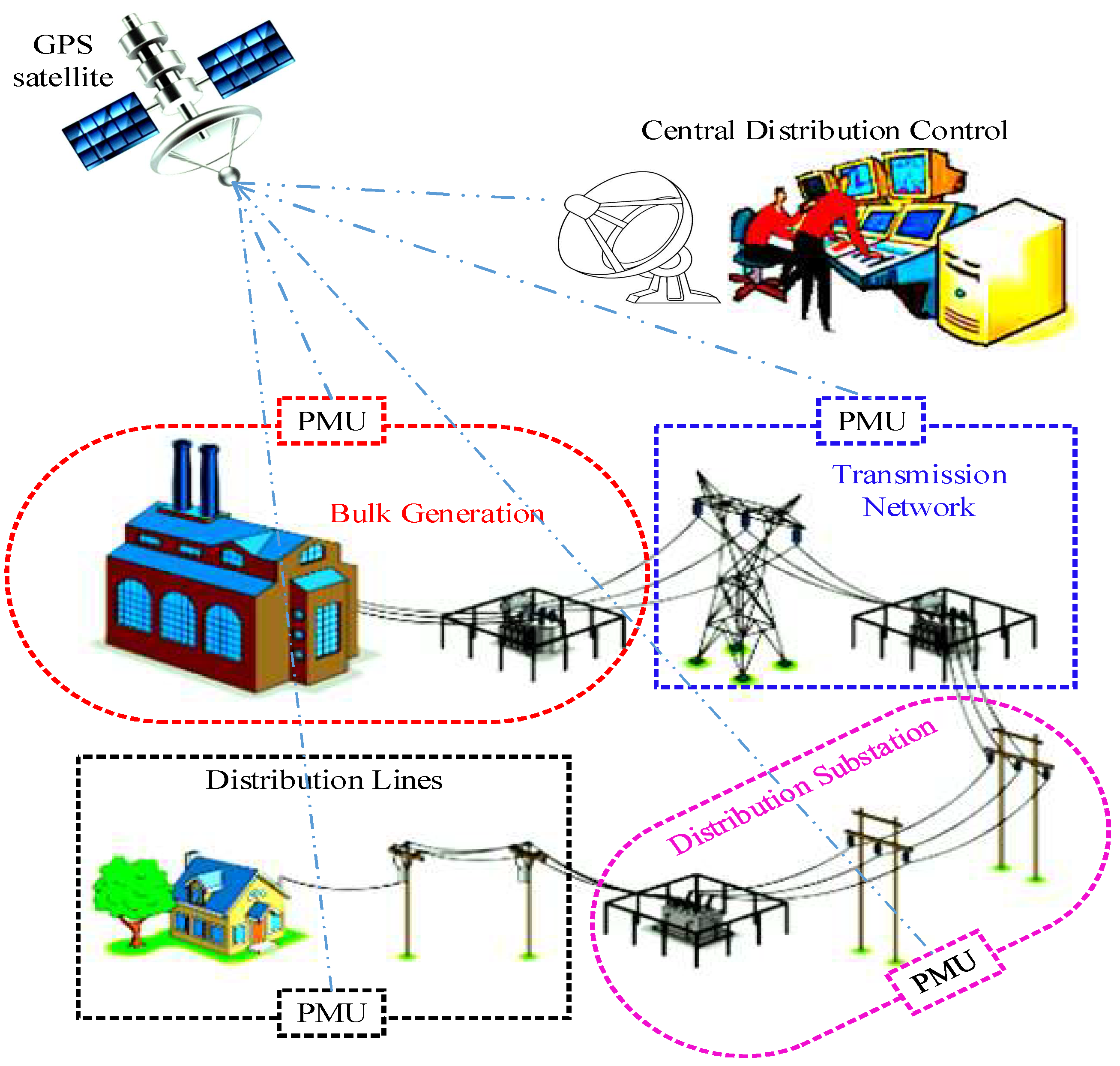
Electric power distribution is the final stage in the delivery of electricity In this system the primary distribution network supplies a few substations per area and the 230 V 400 V power from each substation is directly distributed to end users over a region of normally less than 1 km radius Three live hot wires and the neutral are

The typical electric power system network is classified into three parts Generation Transmission Distribution Electric power is generated in power plants In most cases power plants are placed far from the load centers Hence the transmission line is used to transmit power over a long distance
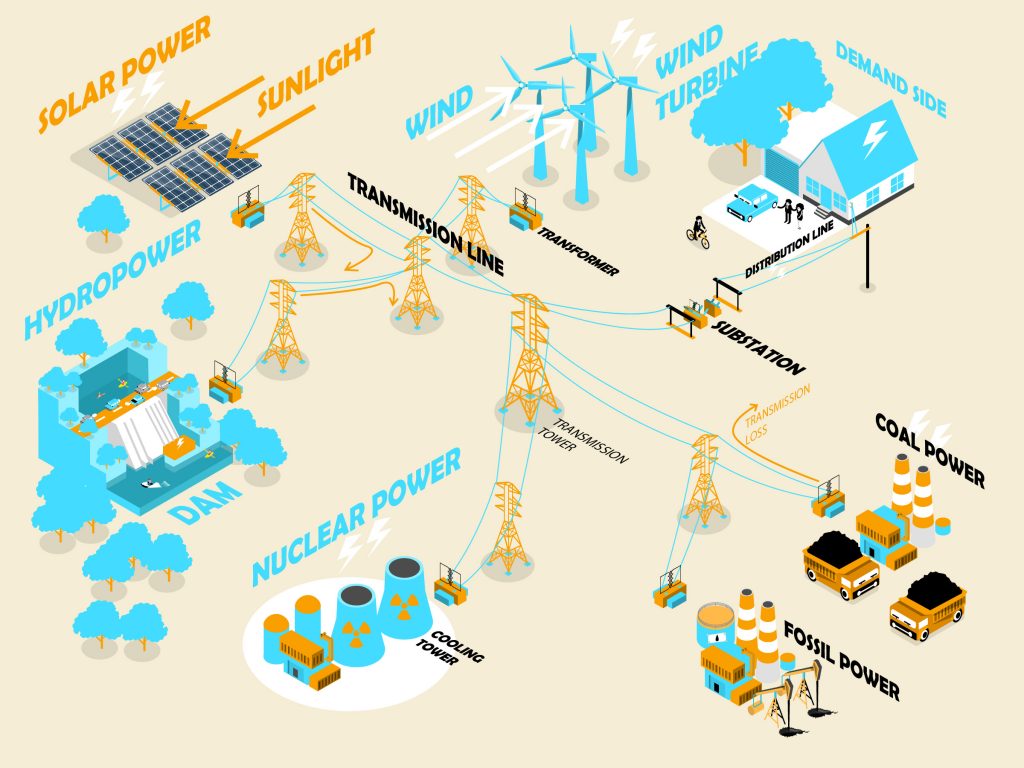
Power distribution network is a part of the grid owned or operated by a utility that is dedicated to delivering electric energy to customers and it refers specifically to the distribution system that carries electricity to individual customers The grid also makes use of a top down approach with bulk electricity flowing from the power plant to

Electricity is delivered to consumers through a complex network Electricity is generated at power plants and moves through a complex system sometimes called the grid of electricity substations transformers and power lines that connect electricity producers and consumers Most local grids are interconnected for reliability and commercial purposes forming larger more dependable networks

The traditional power distribution network receives electric energy from the power transmission network and distributes it to consumers through power distribution facilities The current flows unidirectionally without active control so it is called a passive distribution network The current flows bidirectionally when distributed resources are
An efficient power distribution network is crucial for meeting increasing energy demands These networks transfer electrical energy from power plants to residential and commercial areas This intricate process involves a series of transformers and substations that ensure the safe efficient and reliable transmission of electricity at reduced voltage levels The Power Distribution Network PDN consists of all the interconnects from the VRMs to the terminals pads of various components and devices ICs etc including all the bulk and ceramic decoupling capacitors power and ground planes the intervening vias traces and the relevant leads solder balls wire bonds etc of the device packages
Electric power distribution networks are one of the best ways to deliver energy to homes and commercial environments with safety and quality This is because they have a complete process that starts from the generators connecting great distances to the final consumption The dimensions of the Brazilian states and the distance between the