What Are Epoxides Epoxide Reactions Definition Examples And Mechanism Opening Of Epoxides With Acid And Water To Give Trans Diols Master 04 05 Syntheses Of Epoxides YouTube Epoxides YouTube Epoxides Ring Opening Reactions Chemistry Steps Epoxides also known as oxiranes are three membered ring structures in which one of the vertices is an oxygen and the other two are carbons Epoxides behave differently than other ethers due to the strain created by the three membered ring
Epoxides also known as oxiranes are three membered ring structures in which one of the vertices is an oxygen and the other two are carbons The carbons in an epoxide group are very reactive electrophiles due in large part to the fact that substantial ring strain is relieved when the ring opens upon nucleophilic attack Epoxides An epoxide is a cyclic ether with three ring atoms These rings approximately define an equilateral triangle which makes it highly strained The strained ring makes epoxides more reactive than other ethers Simple epoxides are named from the parent compound ethylene oxide or oxirane such as in chloromethyloxirane
Epoxides Ring Opening Reactions Chemistry Steps Epoxides The Outlier Of The Ether Family Master Organic Chemistry Epoxides In Synthesis YouTube I Am Stephen Bahl Week 11 Of 52 Breaking Epoxides With Nucleophiles Solved Draw The Major Product Formed When The Epoxide Reacts Chegg 9 6 Epoxide Reactions Organic Chemistry 1 An Open Textbook Epoxides Ring Opening Reactions Chemistry Steps Solved 14 Which Of The Following Are Epoxides 15 What Is Chegg Opening Of Epoxides With Acid Master Organic Chemistry
What Are Epoxides
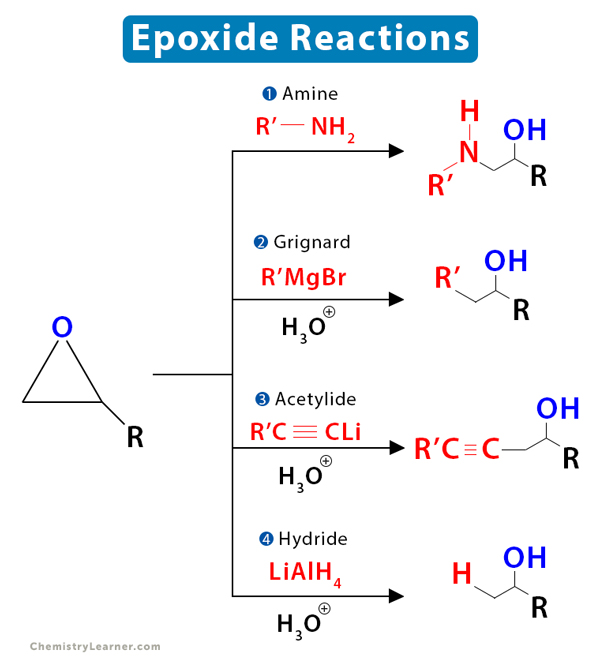 What Are Epoxides
https://www.chemistrylearner.com/wp-content/uploads/2022/07/Epoxide-Reactions.jpg
Alcohol and thiol groups are important functional groups for applications ranging from enzyme reactions to making flexible contact lenses We will be reviewing naming oxygen and sulfur containing compounds Then we will be ready to learn about some reactions that involve alcohols ethers epoxides thiols and sulfides as both reactants and
Templates are pre-designed files or files that can be utilized for various purposes. They can save time and effort by providing a ready-made format and layout for creating various kinds of material. Templates can be used for individual or professional projects, such as resumes, invites, leaflets, newsletters, reports, presentations, and more.
What Are Epoxides
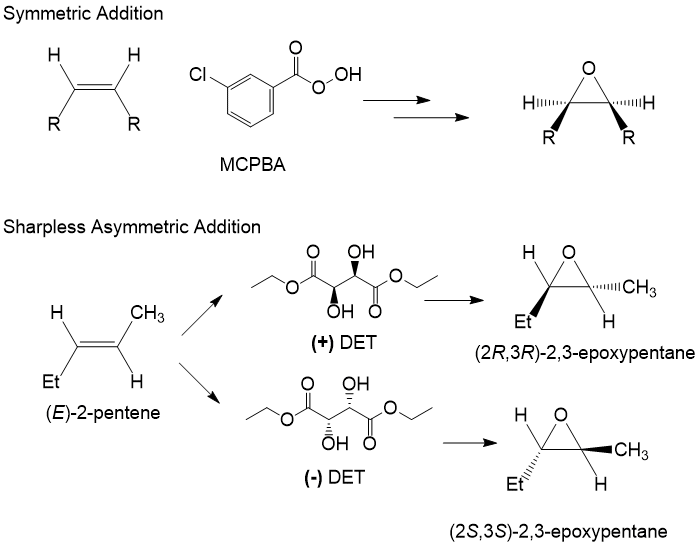
Epoxide Reactions Chemistry Study Materials
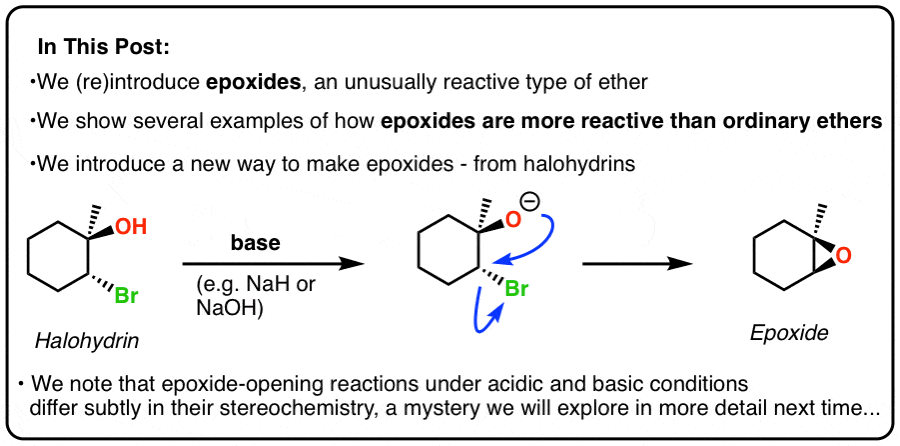
Epoxides The Outlier Of The Ether Family Master Organic Chemistry
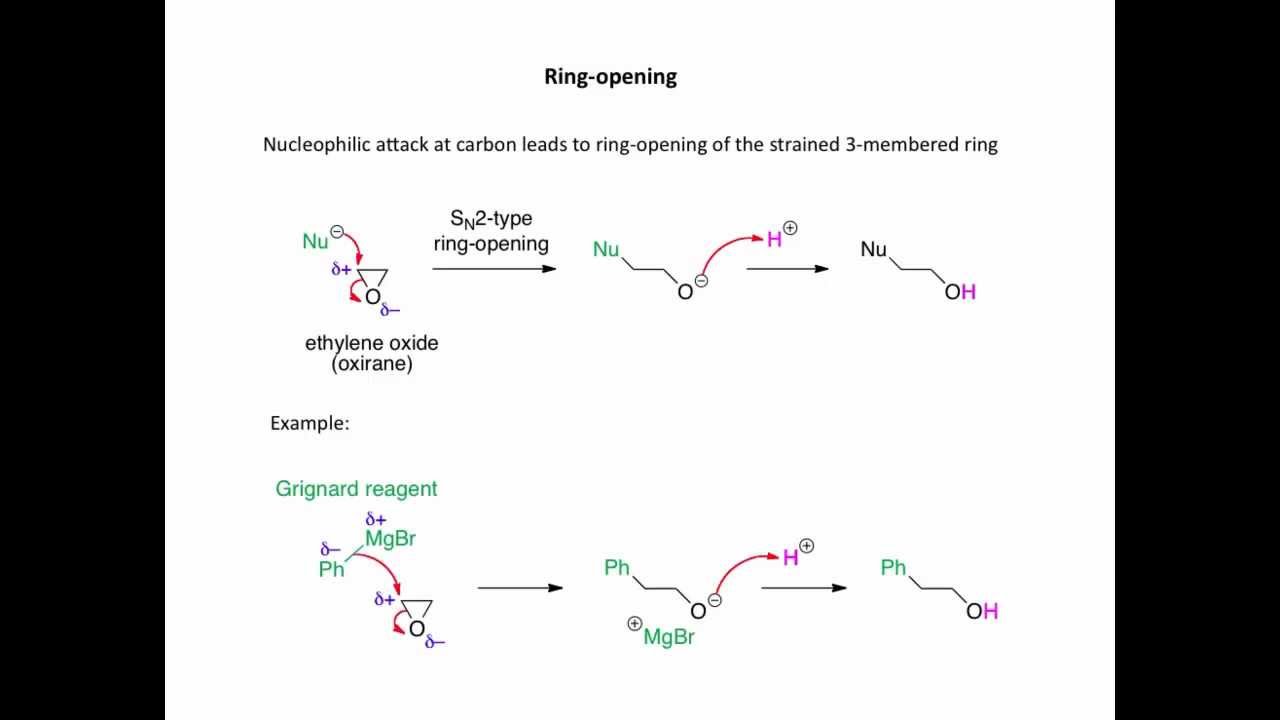
Epoxides In Synthesis YouTube

I Am Stephen Bahl Week 11 Of 52 Breaking Epoxides With Nucleophiles

9 6 Epoxide Reactions Organic Chemistry 1 An Open Textbook

Epoxides Ring Opening Reactions Chemistry Steps

Epoxide cyclic ether with a three membered ring The basic structure of an epoxide contains an oxygen atom attached to two adjacent carbon atoms of a hydrocarbon The strain of the three membered ring makes an epoxide much more reactive than a typical acyclic ether Ethylene oxide is economically
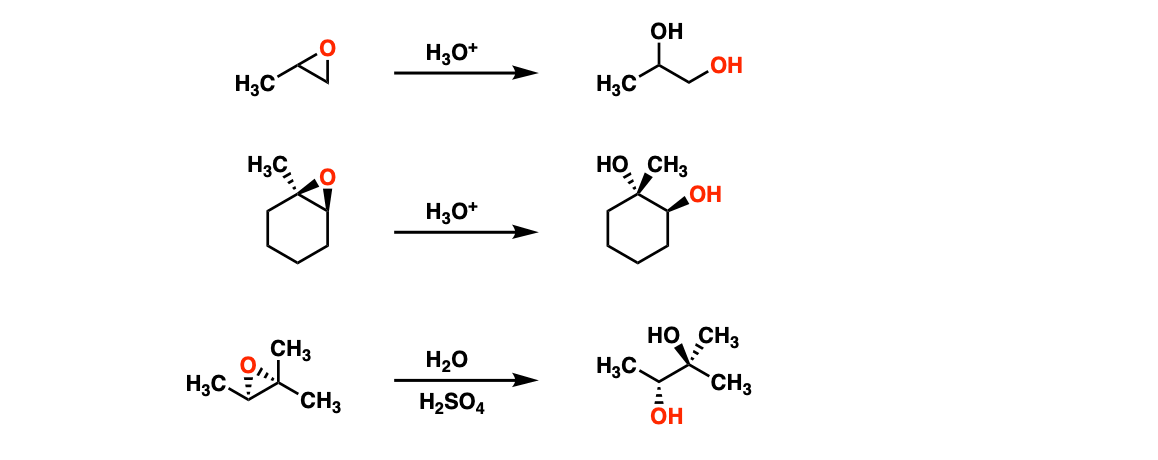
An epoxide is a cyclic ether which contains a three atom ring that approximates an equilateral triangle These are highly reactive when compared to other ethers The fundamental structure of an epoxide contains two carbon atoms of a hydrocarbon attached to an oxygen atom The structure can be chemically shown as

Epoxides are a significant substance that has uses in our everyday lives They can be created by treating an alkene with a particular type of peroxy acid Peroxy acid is a type of carboxylic acid that has extra oxygen m CPBA is one of the most popular peroxy acids used for this purpose

Epoxides also known as oxiranes are three membered ring structures in which one of the vertices is an oxygen and the other two are carbons The most important and simplest epoxide is ethylene oxide which is prepared on an
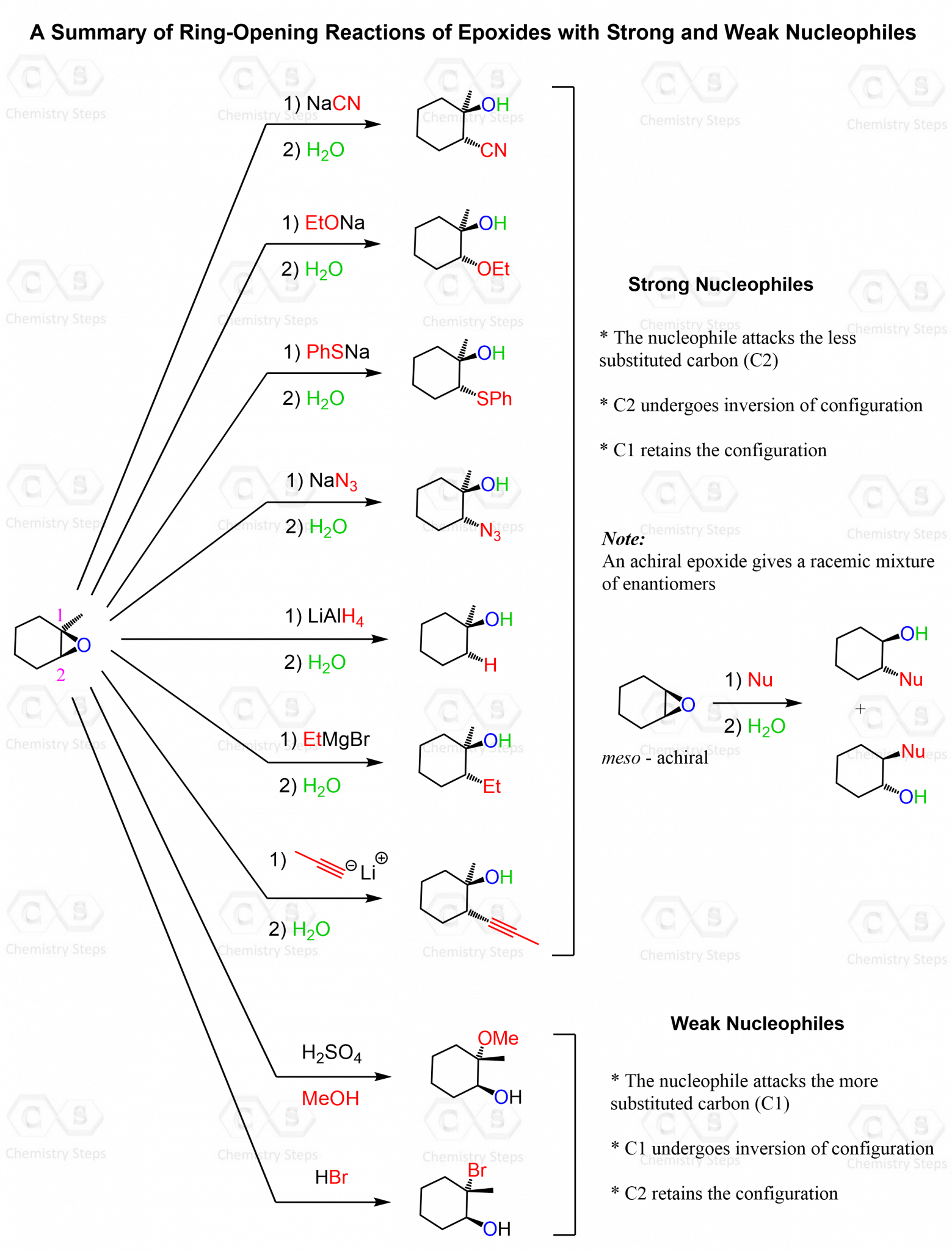
Epoxides are compounds that are very similar to ethers They consist of a three membered ring structure with an oxygen atom in one vertex and carbon atoms occupying the other two Unlike ethers epoxides are highly reactive
[desc-11] [desc-12]
[desc-13]