Viking Axe Head Types Axe Wood Wallpapers Wallpaper Cave Peterson s Ax Typology Hand Axe Trench Knife Viking Axe Viking Another Hoard Of Axes Axes Hatchets Hawks Choppers Etc Pin On Weapons 44 Battleaxe Wallpaper WallpaperSafari Viking blacksmiths forged bearded axe heads from iron and steel The head was mounted to a wooden haft and secured with a rivet This table compares the key traits of common Viking axe types Axe Type Length Weight Key Uses Bearded Axe 3 feet 2 5 lbs All purpose medium axe Long Axe Up to 6 feet 5 lbs Heavy two handed axe Throwing
The Dane axe or long axe is a type of two handed battle axe with a very long shaft around 0 9 1 2 metres 2 ft 11 in 3 ft 11 in at the low end to 1 5 1 7 metres 4 ft 11 in 5 ft 7 in or more at the long end primarily used during the transition between the European Viking Age and early Middle Ages 1 The Battle Axe A Fierce Weapon of War 2 The Broad Axe A Versatile Tool for Woodworking 3 The Bearded Axe A Multipurpose Tool for Farming and Hunting 4 The Dane Axe A Two Handed Weapon for Elite Warriors 5 The Mammen Axe A Decorative Symbol of Viking Artistry 6 Frequently Asked Questions
44 Battleaxe Wallpaper WallpaperSafari Neemantools List Of Axe Types Https pagez fun 10262 these 59 Pin On Battle Axes Viking Axe Axes Lawrance Ordnance 24 Different Types Of Axe Heads In 2023 History FAQs Viking Axe BaviPower Blog Axes Femme Axes By Axe Types Old Technology Fur Trade Axe Head Wood Shed Hatchet Wood Axe Head Types Happiness Fingers Axe Woodworking Tools Blacksmithing
Viking Axe Head Types
 Viking Axe Head Types
https://wallpapercave.com/wp/wp3099273.jpg
The Dane axe often called the Danish axe or the great axe was a weapon that Viking warriors who wanted to rule the battlefield coveted The Dane axe had a long handle and a huge cutting edge This provided the Dane axe with unmatched reach and tremendous impact The Vikings preferred the Dane axe because it took great strength and
Pre-crafted templates offer a time-saving service for creating a diverse series of files and files. These pre-designed formats and layouts can be made use of for various individual and professional tasks, including resumes, invites, leaflets, newsletters, reports, discussions, and more, simplifying the content production procedure.
Viking Axe Head Types

Axe HAITHABU Viking Axe Knives And Swords Axe

Neemantools List Of Axe Types Https pagez fun 10262 these 59

Pin On Battle Axes

Viking Axe Axes Lawrance Ordnance
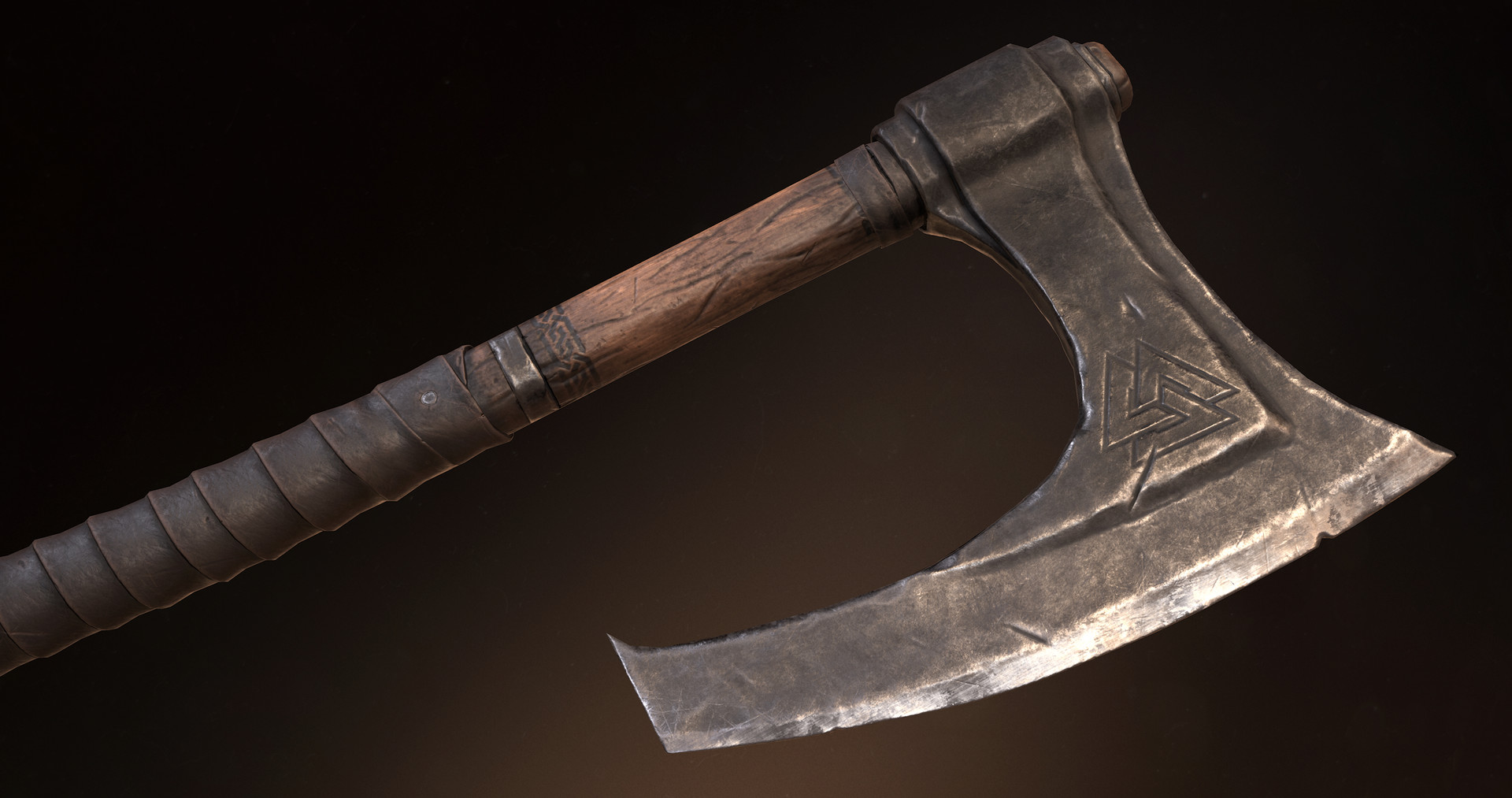
Viking Axe BaviPower Blog
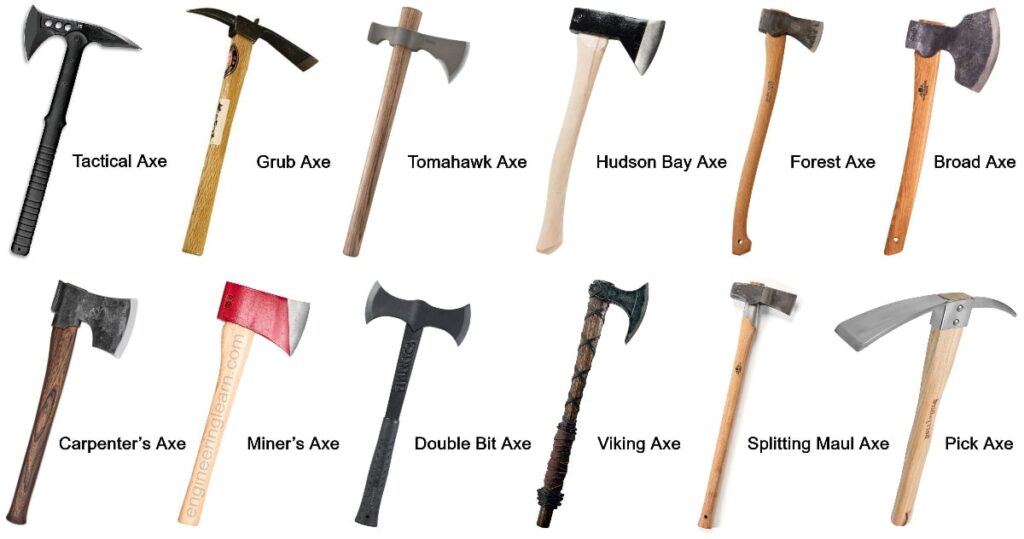
Axes Femme Axes By

Viking Age Axe Typology Contents 1Introduction 2By Area 2 1Norway 2 2Denmark 3Type A Wheeler I Rygh 557 4Wheeler II 5Type B Wheeler III Rygh 559 6Type C 7Type D Wheeler V 8Type E Wheeler V 9Type F Wheeler V Rygh 561 10Type G Wheeler IV Rygh 552 11Type H Wheeler IV Rygh 555 12Type I Wheeler IV Rygh 554

Valhalla Throwing Axe Mammen Axe Cross Axe Materials of Viking Axes Heads Hafts Handles Final Words Frequently Asked Questions Types of Viking Axes There are many variations among the Viking axes depending on their origin date purpose and style

Axes for all Whilst the swords of the Viking Age were preserved for the use of just a few many Vikings owned axes They have been found in the richly furnished warrior graves of the Viking Age as well as in simple graves in which the deceased had little to accompany them on their last journey

The type associated with Vikings is the so called broken back style seax It was usually a bit heavier than the regular knife and would serve as a machete or falchion like arm A wealthier man might own a larger seax some being effectively swords
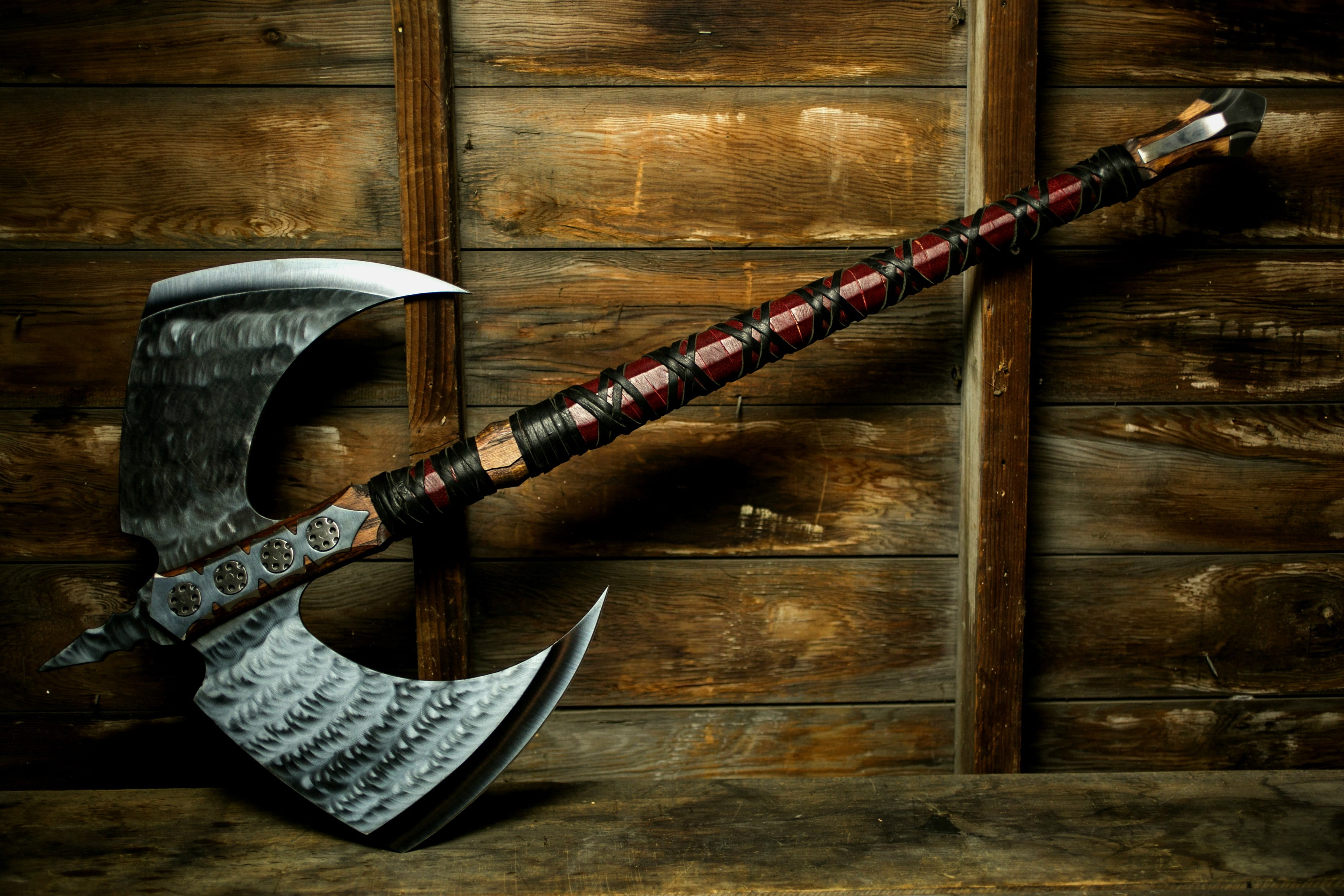
Iron and Steel The blades of Viking axes were typically made from iron or steel Iron was more common in the earlier part of the Viking Age while steel became more prevalent as metalworking techniques advanced Steel blades were stronger more durable and held a sharper edge making them highly sought after by warriors and craftsmen alike
The first the skegg x or bearded axe has an asymmetrical head the lower edge extending downwards like a beard There are a number of variants depending on the size and shape of the beard noted by Petersen as types B C D and E The Viking axe a versatile weapon and tool used from 8th to 11th centuries featured a curved blade and long handle designed for chopping slashing and throwing It symbolized Norse culture reflecting warriors prowess and serving essential functions in everyday life
The head of the axe is the most important part consisting of a blade a beard and a socket The blade is usually made of iron or steel and can vary in size and shape depending on its intended use The beard is the bottom part of the head that curves outwards allowing for a wider cutting surface