Unsupervised Machine Learning Examples Unsupervised Machine Learning Examples And Use Cases AltexSoft Unsupervised Machine Learning Examples And Use Cases AltexSoft Unsupervised Machine Learning Examples And Use Cases AltexSoft Unsupervised Learning Machine Learning Deep Learning And Computer Unsupervised Machine Learning Examples And Use Cases AltexSoft Machine Learning ML Unsupervised Learning Easy explanation of ML concepts Unsupervised Machine Learning is a set of Machine Learning algorithms in which the model uncovers hidden patterns and insights from provided unlabeled datasets This article covers Unsupervised Machine Learning basics problems algorithms and
What is unsupervised machine learning How does an unsupervised ML algorithm work Clustering Exploration of Data Dimensionality Reduction Making Data Digestible 7 Unsupervised Machine Learning Real Life Examples k means Clustering Data Mining Hidden Markov Model Pattern Recognition Natural Language Processing Some examples of clustering algorithms include hierarchical clustering K means clustering KNN clustering principal component analysis singular value decomposition and independent component analysis
Unsupervised Machine Learning Examples And Use Cases AltexSoft Supervised Vs Unsupervised Machine Learning Use Cases Examples 8 Supervised And Unsupervised Machine Learning Download Scientific Machine Learning With Python Supervised And Unsupervised Learning Machine Learning Tutorial Machine Learning Using Python Edureka EP 3 APPROACHES TO MACHINE LEARNING PART 2 Machine Learning Algorithms Unsupervised Learning Diego Calvo Supervised Vs Unsupervised Machine Learning Machine Learning Tutorial
Unsupervised Machine Learning Examples
 Unsupervised Machine Learning Examples
https://www.altexsoft.com/media/2021/04/clustering-explained-on-the-example-of-the-kinderg.png
Unsupervised learning Unsupervised Machine Learning 2017 on the other hand is about understanding the data such as looking for unusual structures like outliers or clusters It is never about looking for something specific like the above email example in supervised learning
Templates are pre-designed documents or files that can be utilized for numerous functions. They can conserve time and effort by offering a ready-made format and design for producing different sort of content. Templates can be used for personal or expert tasks, such as resumes, invites, leaflets, newsletters, reports, presentations, and more.
Unsupervised Machine Learning Examples
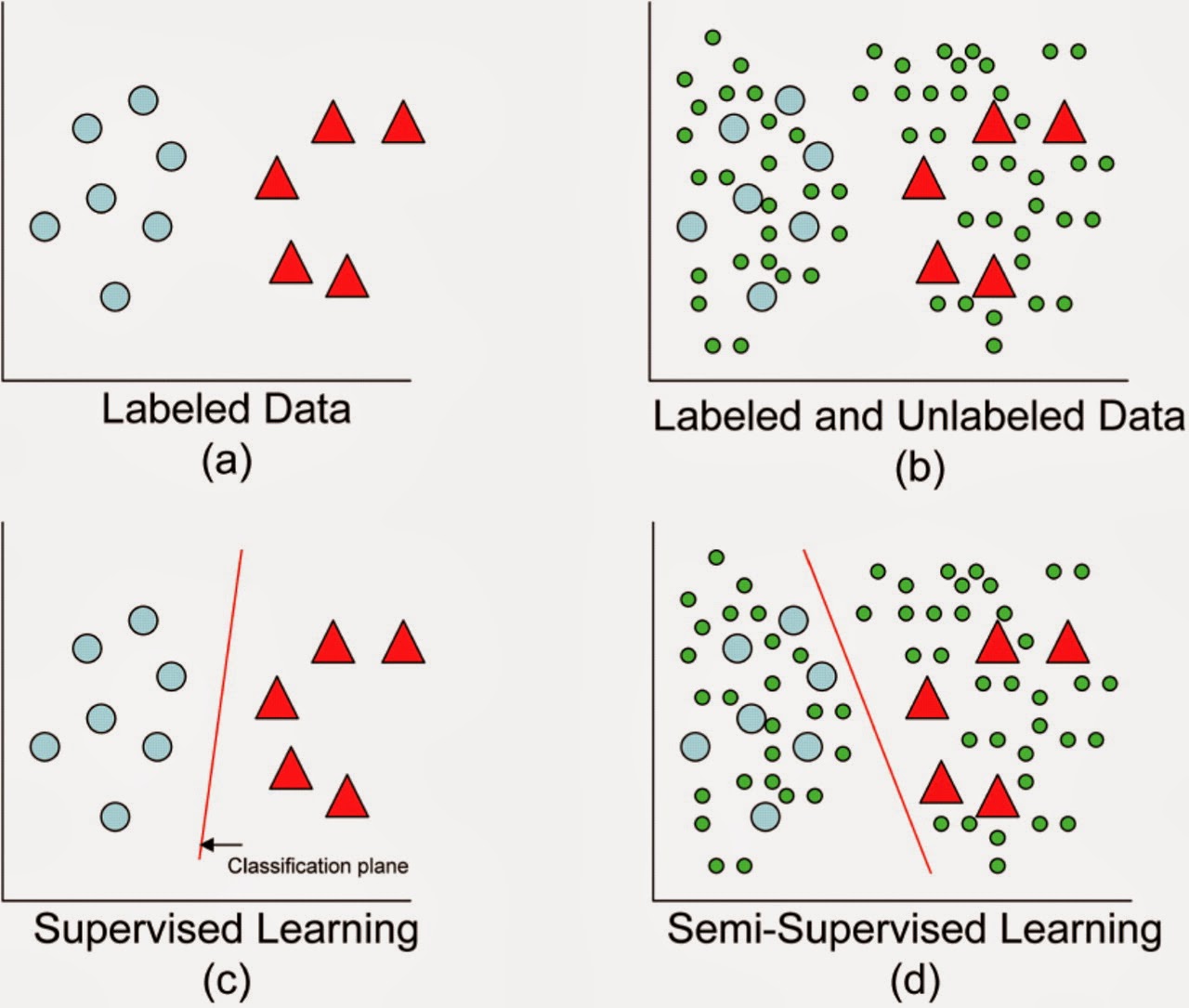
Claiming Ownership Of The Freed Self Supervised And Unsupervised

Supervised Vs Unsupervised Machine Learning Use Cases Examples

8 Supervised And Unsupervised Machine Learning Download Scientific
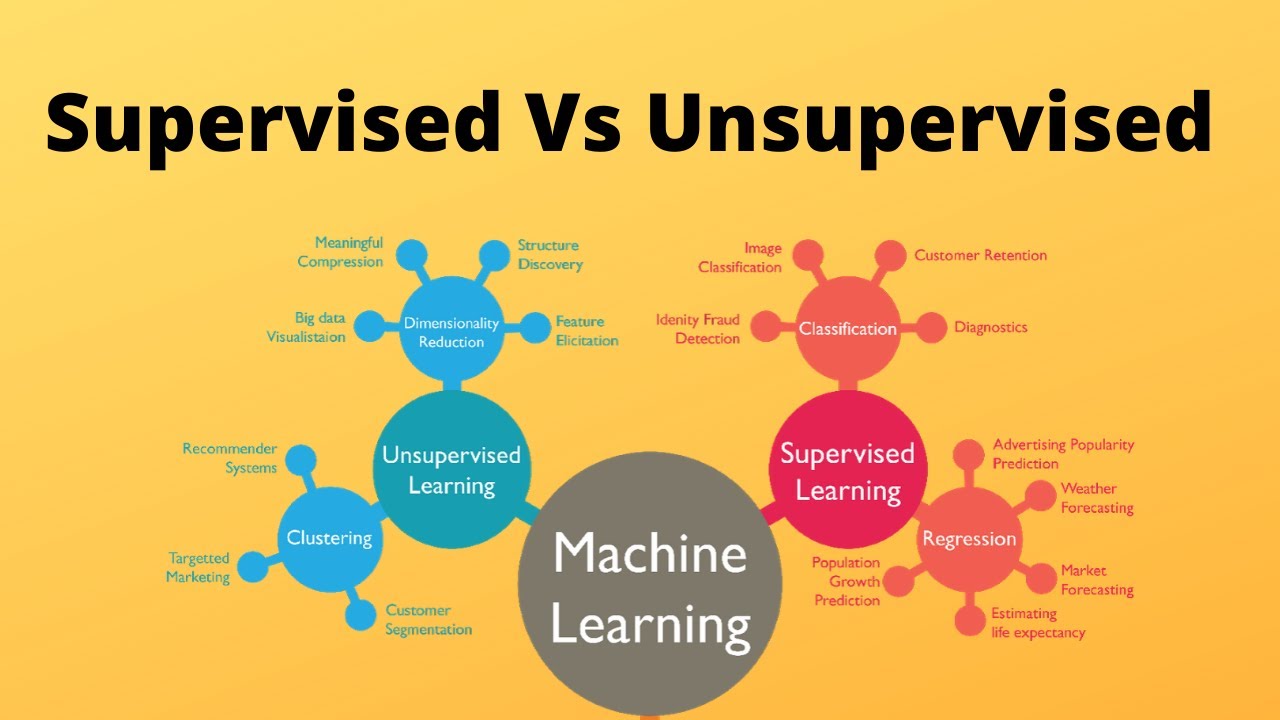
Machine Learning With Python Supervised And Unsupervised Learning

EP 3 APPROACHES TO MACHINE LEARNING PART 2
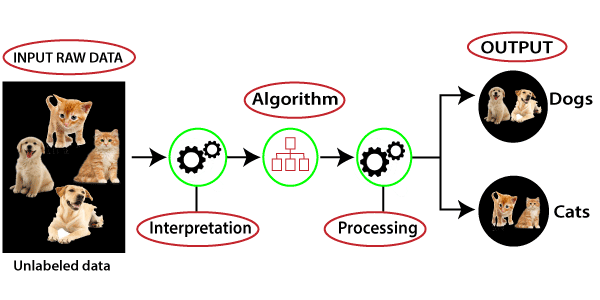
Machine Learning Algorithms
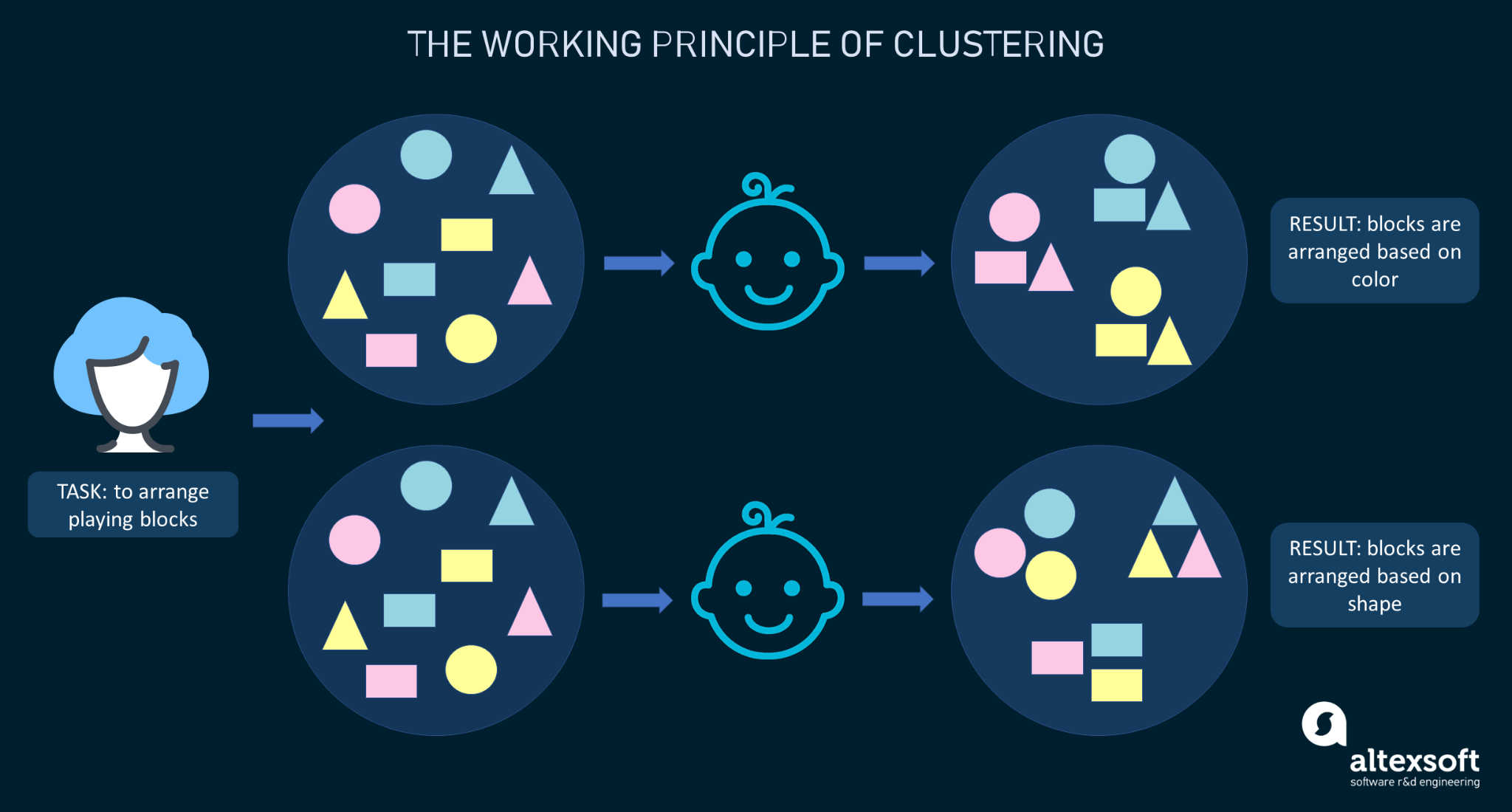
Unsupervised learning also known as unsupervised machine learning uses machine learning algorithms to analyze and cluster unlabeled datasets These algorithms discover hidden patterns or data groupings without the need for human intervention

Machine Learning Methods Yes No Category Quantity Yes No Do you have labeled data Supervised What do you want to predict Unsupervised Do you want to group the data Classification Regression Clustering Dimensionality reduction KNN Logistic Regression SVM CART Linear Regression Ridge Regression Lasso K means Hierarchical PCA
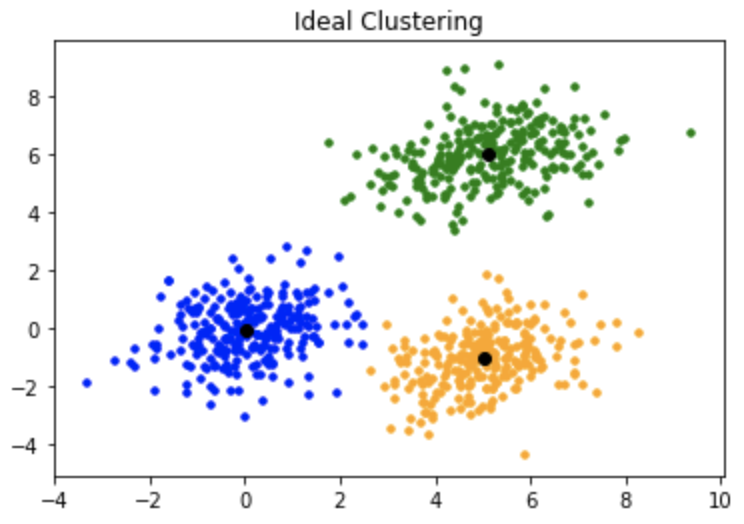
4 Unsupervised Learning When we don t have labels for the inputs our model should be able to find patterns and regularities in the input that are unknown for us humans We need to estimate which associations occur more often than others and how they are related
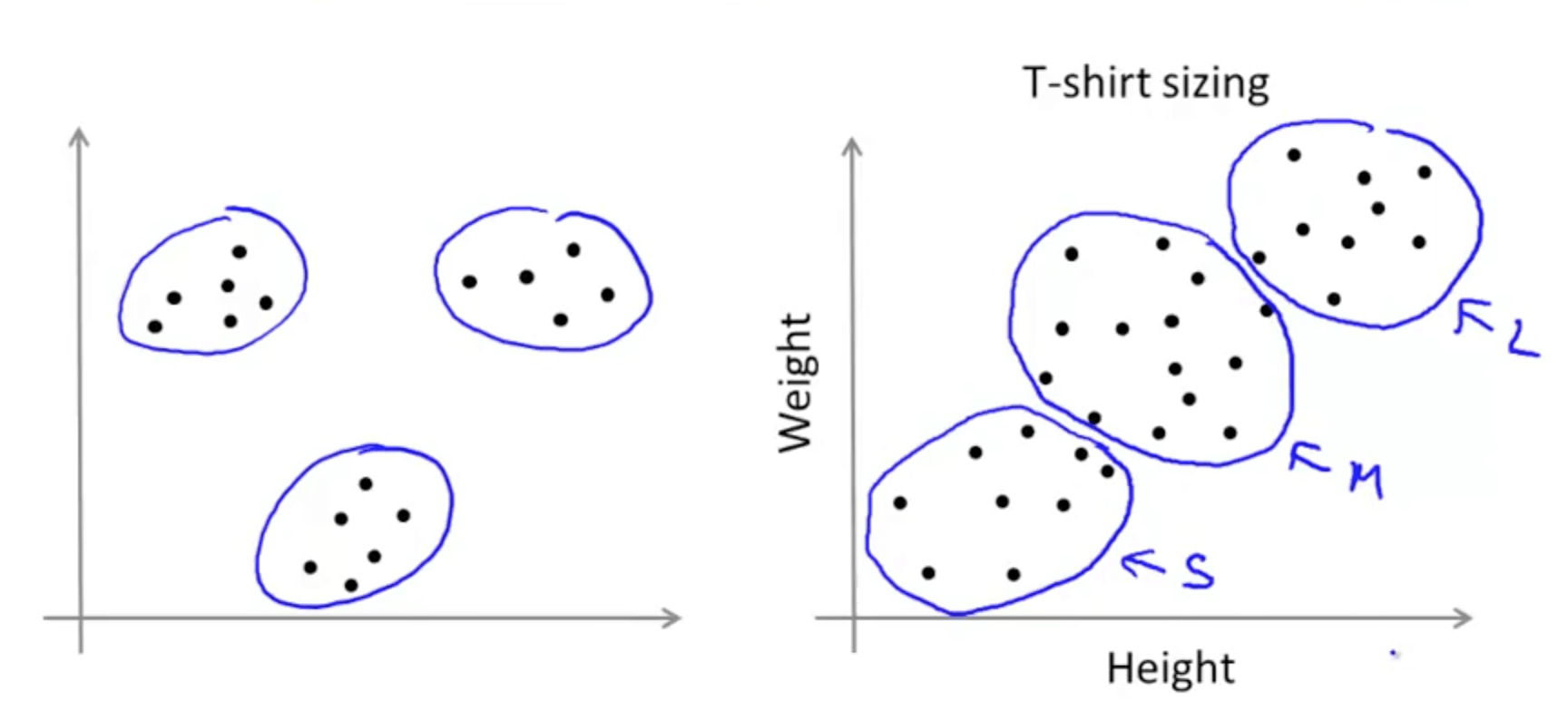
The classical example of unsupervised learning in the study of neural networks is Donald Hebb s principle that is neurons that fire together wire together In Hebbian learning the connection is reinforced irrespective of an error but is exclusively a function of the coincidence between action potentials between the two neurons 5
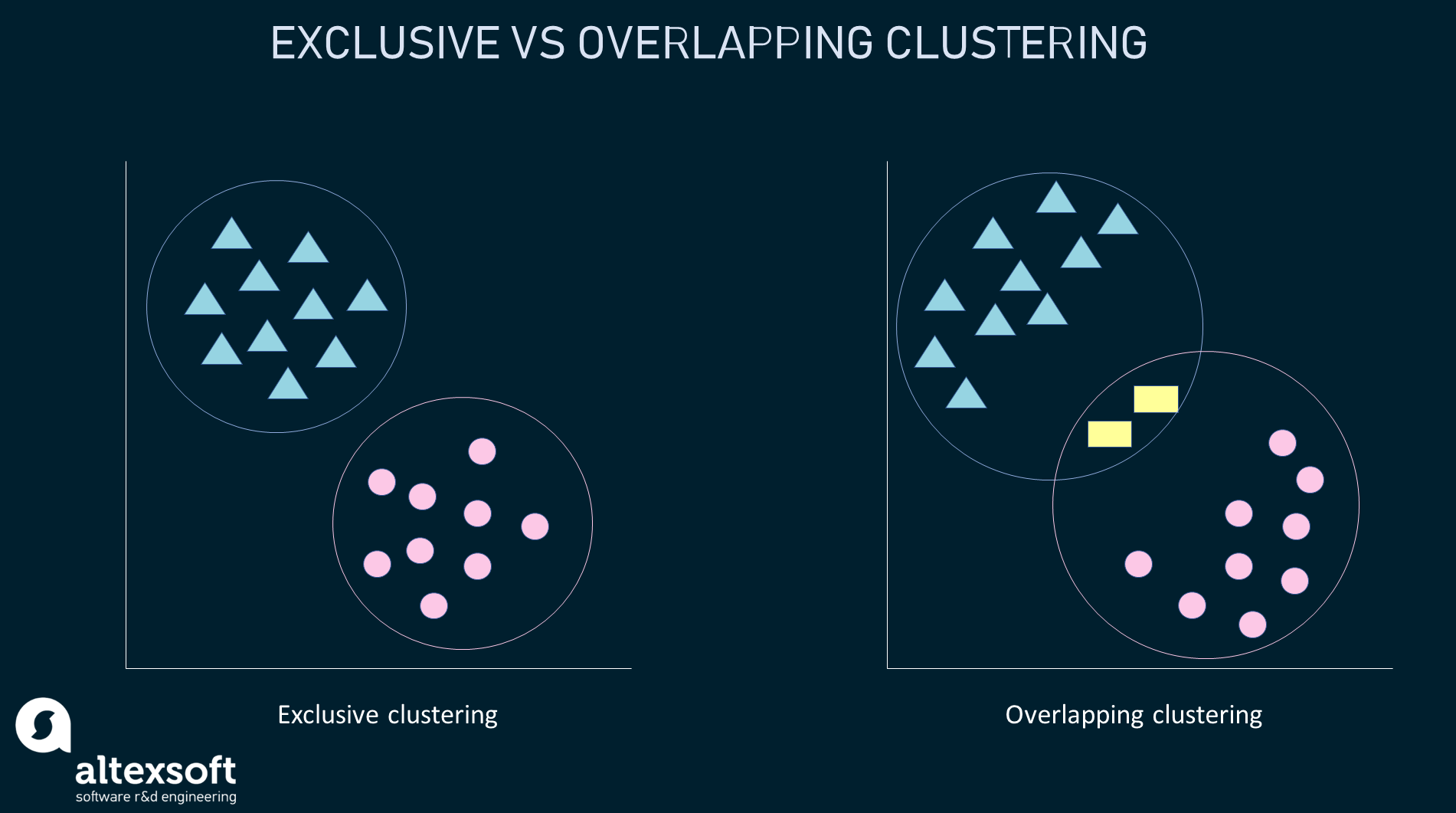
Unsupervised learning is a machine learning problem type in which training data consists of a set of input vectors but no corresponding target values The idea behind this type of learning is to group information based on similarities patterns and differences
[desc-11] [desc-12]
[desc-13]