Typescript Cast Unknown To Any Typing Unknown Objects In TypeScript With Record Types Lloyd Atkinson Unknown Vs Any In Typescript YouTube Typescript unknown Vs Any TypeScript any never null void unknown undefined Unknown Vs Any In TypeScript Web Result Sep 1 2021 nbsp 0183 32 This is because when you use any type you opt out of type checking Why unknown The unknown type was introduced in version 3 of typescript as an accompanying type to any The unknown type when assigned to a variable means that a variable type is not known
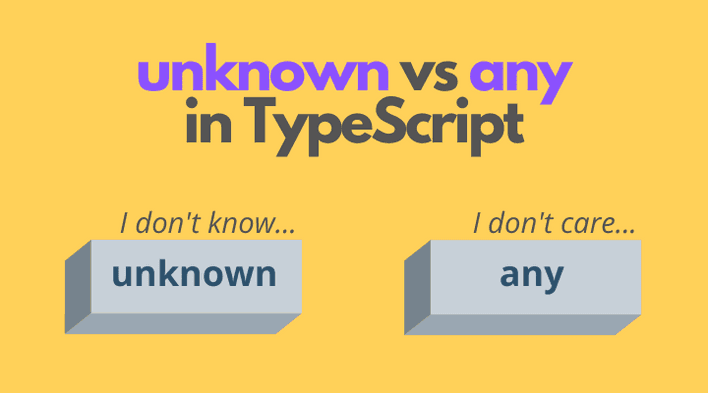
Web Result May 15 2019 nbsp 0183 32 The main difference between unknown and any is that unknown is much less permissive than any we have to do some form of checking before performing most operations on values of type unknown whereas we don t have to do any checks before performing operations on values of type any Web Result May 2 2023 nbsp 0183 32 When to use the unknown type in TypeScript What is type narrowing with unknown TypeScript any vs unknown vs never What are TypeScript types When you get down to a fundamental definition a type is a set of possible values and nothing more For example the type string in TypeScript is the set of
Unknown Vs Any In TypeScript Any Vs Unknown Vs Never TypeScript Demystified YouTube TypeScript Object Is Of Type unknown Understanding The unknown Type In TypeScript Unknown Vs Any Type In Difference Between any unknown And never In TypeScript TypeScript Object Is Of Type unknown Typescript Unknown Vs Any Type Difference Between any unknown And never In TypeScript Difference Between any unknown And never In TypeScript
Typescript Cast Unknown To Any
 Typescript Cast Unknown To Any
https://www.lloydatkinson.net/assets/blog/typescript-record-types.png
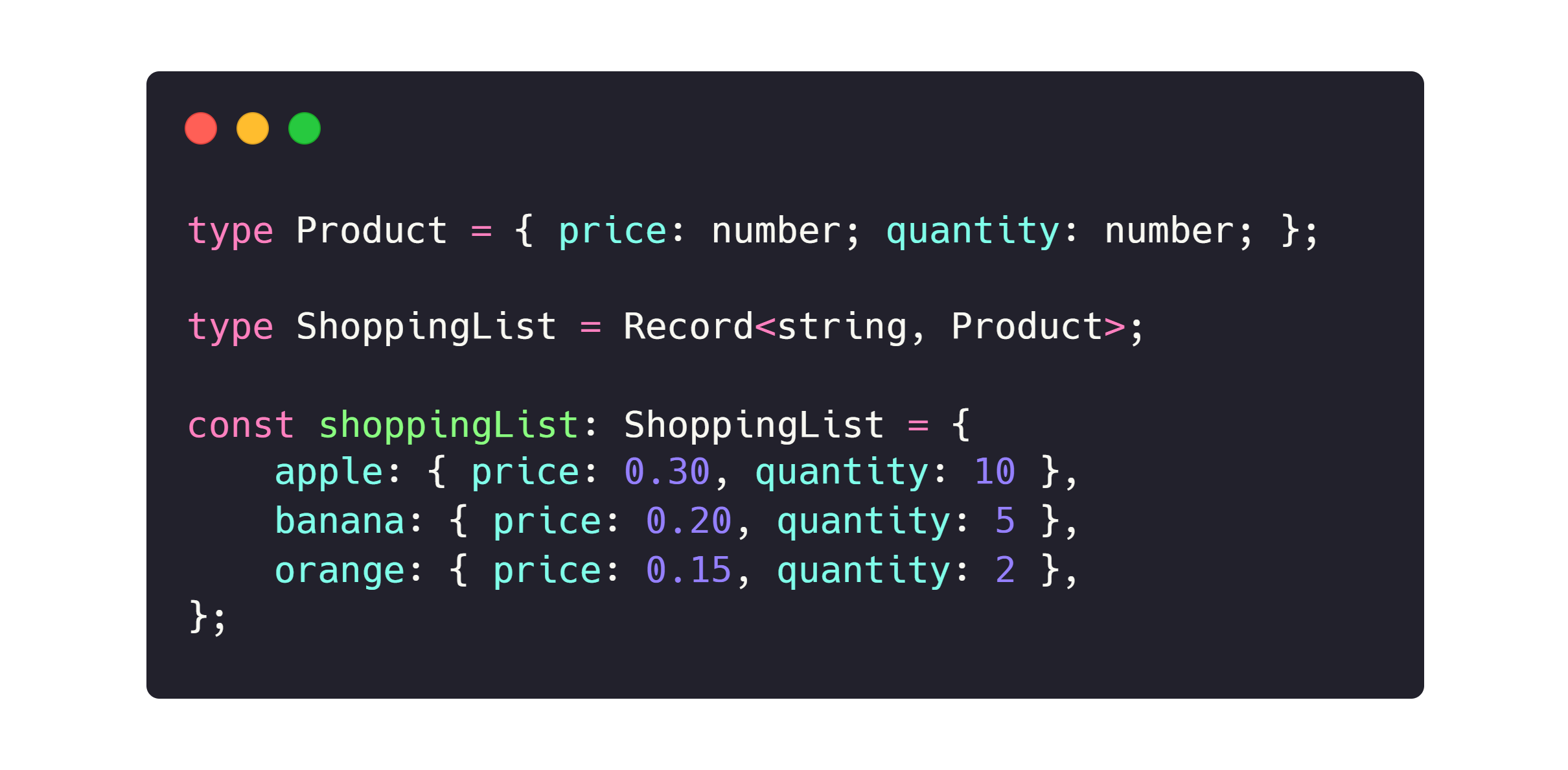
Web Result Unknown Unknown is one of those types that once it clicks you can find quite a lot of uses for it It acts like a sibling to the any type Where any allows for ambiguity unknown requires specifics A good example would be in wrapping a JSON parser
Pre-crafted templates provide a time-saving solution for developing a varied series of documents and files. These pre-designed formats and layouts can be utilized for numerous personal and professional tasks, consisting of resumes, invitations, leaflets, newsletters, reports, presentations, and more, improving the material creation process.
Typescript Cast Unknown To Any

Typescript Any Vs Unknown

Any Vs Unknown Vs Never TypeScript Demystified YouTube

TypeScript Object Is Of Type unknown

Understanding The unknown Type In TypeScript Unknown Vs Any Type In

TypeScript Object Is Of Type unknown

Typescript Unknown Vs Any Type

Web Result Jul 20 2018 nbsp 0183 32 The difference between unknown and any is described as Much like any any value is assignable to unknown however unlike any you cannot access any properties on values with the type unknown nor can you call construct them Furthermore values of type unknown can only be assigned to unknown or any

Web Result Aug 1 2023 nbsp 0183 32 Type casting is a feature in TypeScript that allows developers to explicitly change the type of a value from one type to another Type casting is particularly useful when you re working with dynamic data or when the type of a value is not correctly inferred automatically
Web Result To override type errors that TypeScript may throw when casting first cast to unknown then to the target type Example let x hello console log x as unknown as number length x is not actually a number so this will return undefined Try it Yourself 187 TypeScript Exercises Test Yourself With Exercises

Web Result Sep 1 2020 nbsp 0183 32 To cast unknown to string you can use a typeof type guard The type of the ternary expression below will be inferred as string undefined const output Output message typeof input details string input details undefined
Web Result Aug 31 2023 nbsp 0183 32 The Unsafe Way The easiest way to convert your type from unknown is through casting the variable function double value unknown I hope it s a number return value as number 2 Here we have a simple function to double a number
Web Result Oct 24 2020 nbsp 0183 32 Sorted by 7 Type unknown is type safe and hence one way to get around this problem would be to be cast the object foo as any or an interface having bar as a property const foo unknown bar baz console log foo as any bar OR const foo unknown bar baz interface HasBar bar string Web Result Feb 5 2020 nbsp 0183 32 The TLDR is you should always use the unknown type over the any type Here s why The any type Like the name suggests The any type represents values that can be of any type TypeScript will treat the value like it s any conceivable type possible
Web Result Nov 14 2021 nbsp 0183 32 Table of Contents The any Type The unknown Type Use Cases The any Type The any type is something like an escape hatch from TypeScript What does that mean If your variable is of type any you can 1 Assign whatever you want to it let anyValue any anyValue hi how is you anyValue