Static Vs Dynamic Computation Graph Static Vs Dynamic Balancing Dynamics Of Machinery PDF On the fly Operation Batching In Dynamic Computation Graphs Computational Graphs And Gradient Flows Simple English Machine Dynamic Computation And Selection Algorithm Flow Chart Of Optimal Deep Learning With Dynamic Computation Graphs DeepAI Static graphs v s dynamic graphs In summary static graphs are easy to optimize but lack the expressivity found in higher level languages dynamic graphs provide this missing expressivity but introduce new compilation and execution challenges especially on heterogeneous hardware and FPGAs Roesch Jared Steven Lyubomirsky Logan Weber Josh
The graph is defined implicitly e g using operator overloading as the forward computation is executed Dynamic graphs have the advantage of being more flexible The library is less invasive and allows for interleaved construction and evaluation of the graph The static graph was faster than the dynamic graph for this example With this Graph Creation Previously we described the creation of a computational graph Now we will see how PyTorch creates these graphs with references to the actual codebase Figure 1 Example of an augmented computational graph It all starts when in our python code where we request a tensor to require the gradient
Deep Learning With Dynamic Computation Graphs DeepAI Deep Learning With Dynamic Computation Graphs ICLR 2017 Illustration Showing Our Dynamic Computation O loading And Control All Stories Published By SyncedReview On June 28 2017 Medium Server side Render Full Stack Applications With Pages Functions Visualization Of Computational Graph Chainer 7 8 1 Documentation Pytorch 101 Part 1 Zweien s Notes Friction Facts For Kids Cool Kid Facts Deep Learning With Dynamic Computation Graphs Papers With Code
Static Vs Dynamic Computation Graph
 Static Vs Dynamic Computation Graph
https://theteche.com/wp-content/uploads/2021/04/Static-Vs-Dynamic-Balancing.jpg
Introduction to the CompClass PHYS 5041 6041 Introduction Minimizing and Fitting Distributions The Runge Kutta Algorithm PyBind11 and Numba Static Computation Graphs Python 2 vs Python 3 Static Computation Graphs Week 14 day 1 Static and Dynamic Computation Graphs Objectives Quick note about Numpy temporariesCover a couple of com
Templates are pre-designed documents or files that can be utilized for various functions. They can conserve effort and time by providing a ready-made format and layout for creating different kinds of content. Templates can be utilized for personal or professional jobs, such as resumes, invites, leaflets, newsletters, reports, presentations, and more.
Static Vs Dynamic Computation Graph
Illustration Of Static And Dynamic Graphs Download Scientific Diagram

Deep Learning With Dynamic Computation Graphs ICLR 2017
Illustration Showing Our Dynamic Computation O loading And Control

All Stories Published By SyncedReview On June 28 2017 Medium

Visualization Of Computational Graph Chainer 7 8 1 Documentation
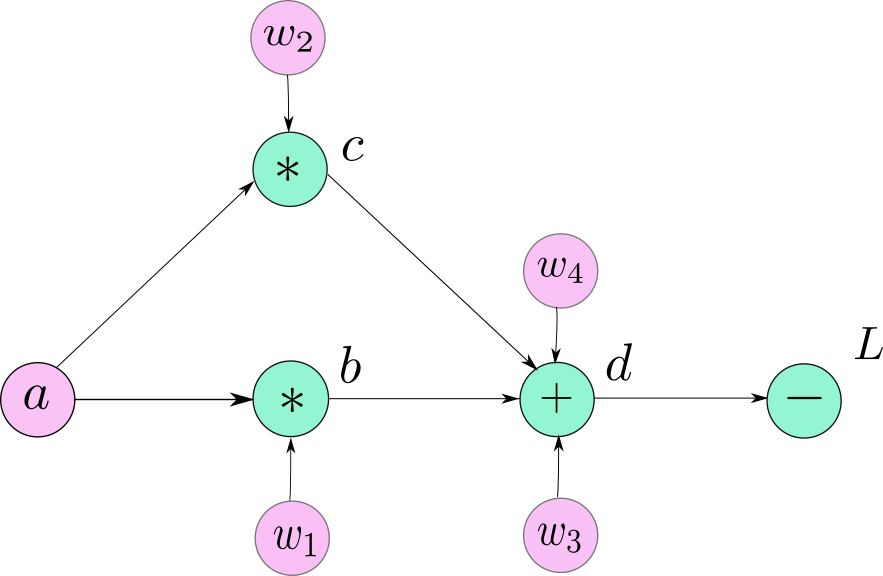
Pytorch 101 Part 1 Zweien s Notes

To make things concrete when you modify the graph in TensorFlow by appending new computations using regular API or removing some computation using tf contrib graph editor this line is triggered in session py It will serialize the graph and then the underlying runtime will rerun some optimizations which can take extra time perhaps 200usec
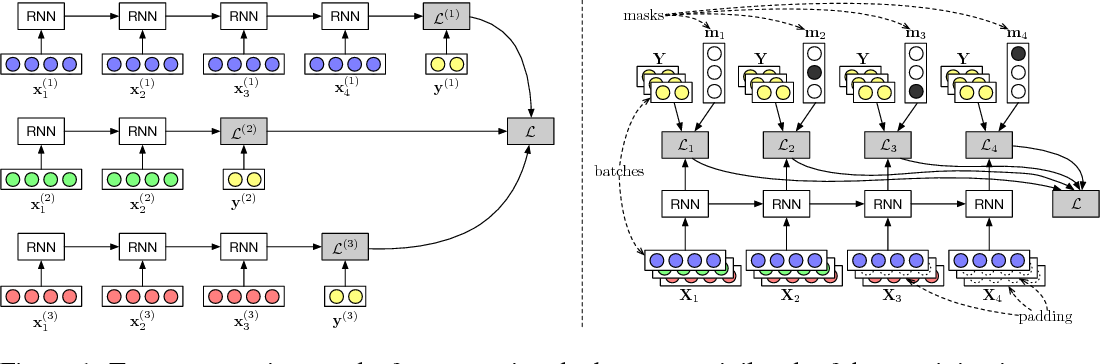
Being able to do this with a dynamic computation graph would be far more problematic Some other comparisons Having a static graph enables a lot of convenient operations storing a fixed graph data structure shipping models that are independent of code performing graph transformations but it is a little bit more complex than dynamic graphs

To support dynamic execution the computation graph must be able to handle more complex data types e g variable sized tensors and structured data and operations like flow control primitives

1 Dynamic Computational Graphs are simply modified CGs with a higher level of abstraction The word Dynamic explains it all how data flows through the graph depends on the input structure i e the DCG structure is mutable and not static One of its important applications is in NLP neural networks Share
The main difference between frameworks that use static computational graphs like TensorFlow CNTK and frameworks that use dynamic computational graphs like PyTorch and DyNet is that the latter work as follows A different computational graph is constructed from scratch for each training sample followed by forward and backward propagation
Single input graph The technique allows us to create static graphs using popu lar libraries that emulate dynamic computation graphs of arbitrary shape and size We further present a high level library1 of compositional blocks that simpli es the creation of dynamic graph models Using the library we demonstrate concise and In terms of raw performance TensorFlow has a slight edge over PyTorch One key difference between the two frameworks is the use of a static computation graph versus a dynamic computation graph
The technique allows us to create static graphs using popular libraries that emulate dynamic computation graphs of arbitrary shape and size We further present a high level library of compositional blocks that simplifies the creation of dynamic graph models Using the library we demonstrate concise and batch wise parallel implementations for