Runway Design Standards Departure Procedure Climb Gradient And Calculating Your Rate Of Climb Faa Design Standards Runway Airport Typical Cross Sections Of Flexible And Rigid Runway Pavements FAA LESSON 5 LAPANGAN TERBANG Materi Perencanaan Lapangan Terbang LESSON 5 LAPANGAN TERBANG Materi Perencanaan Lapangan Terbang The selection of appropriate design standards for the development of airfield facilities is based primarily upon the characteristics of the aircraft projected to use the Airport on a regular basis along with the types of approaches to be provided to each runway end
Details Abstract This advisory circular AC contains the FAA standards and recommendations for airport design The AC contains the following chapters 1 Introduction 2 Design Principles 3 Runway Design 4 Taxiway and Taxilane Design 5 Aprons and 6 Airfield Systems and Facilities Aircraft stand flexibility Chapter 6 Runways Adequacy of runway provision Length design aircraft routes fuel optimisation of RWY length land use Capacity ATM h role of supporting taxiway network ways to assess capacity rule of thumb analytical simulation Chapter 6 Runways cont Inclusion of Code F criteria
LESSON 5 LAPANGAN TERBANG Materi Perencanaan Lapangan Terbang FAA To Use ADS C To Meet Separation Standards For US Oceanic Airspace Meghann Morrow A Magazine Planning Approval Secured To Amend Layout Of North Runway On Tour Events Explains To How To Design A Catwalk Stage What Audio Image Gallery Taxiway Markings Festa Aviao Ve culo Avia o Aviation Services Construction FNC Taxiing What Regulations Or Procedures Address Runway taxiway Runway Designator Adalah
Runway Design Standards
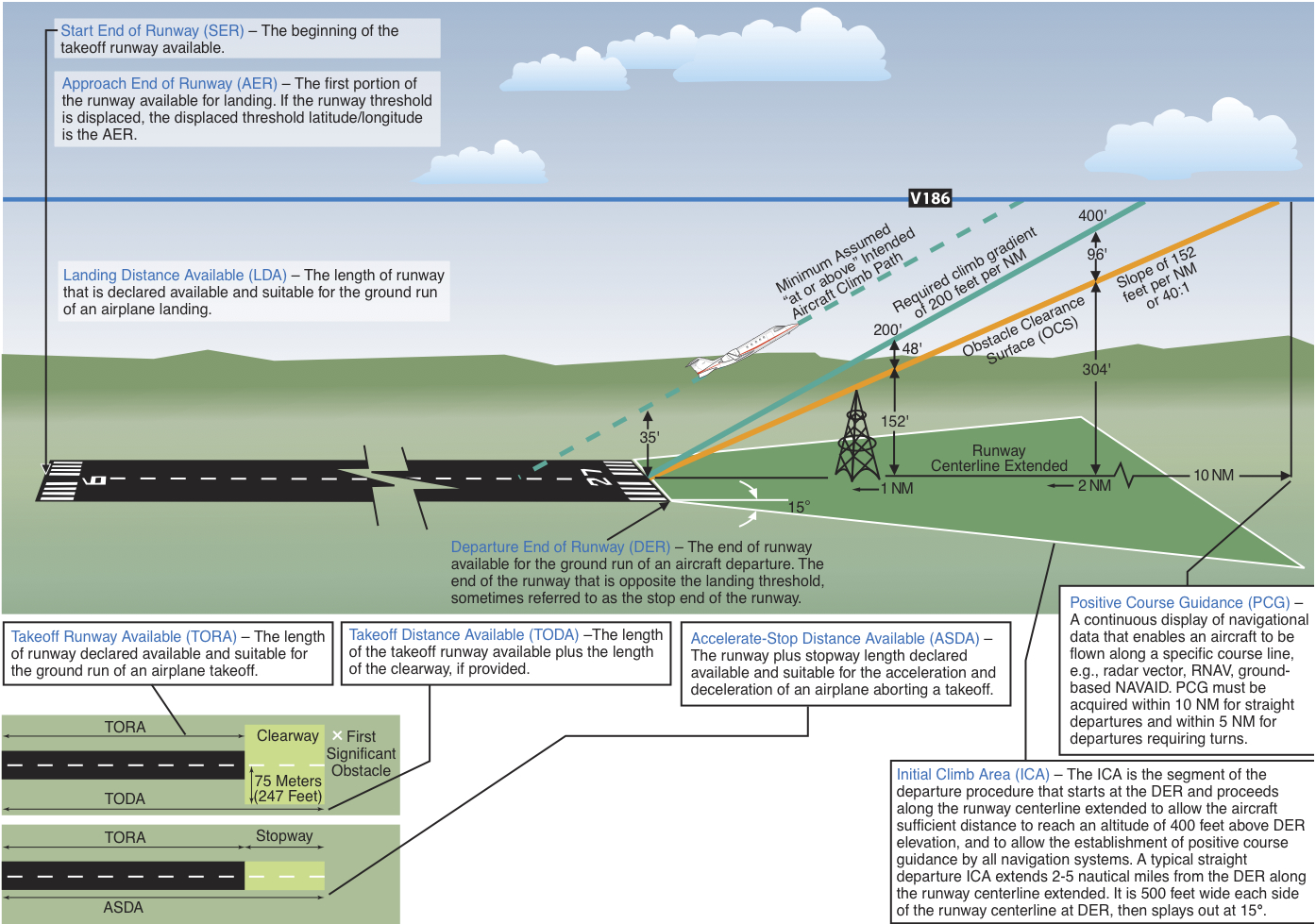 Runway Design Standards
http://expertaviator.com/wp-content/uploads/2011/01/Departure-Design-New-Terps.jpg
3 1 Runway design standards for aircraft approach category A B visual runways and runways with not lower than 3 4 statute mile 1 200 m approach visibility minimums 24 3 2 Runway design standards for aircraft approach categories A B runways with
Templates are pre-designed documents or files that can be utilized for different functions. They can save time and effort by supplying a ready-made format and design for creating different kinds of material. Templates can be used for individual or professional jobs, such as resumes, invitations, leaflets, newsletters, reports, discussions, and more.
Runway Design Standards

C mo Utilizamos La Matriz De Evaluaci n Del Estado De La Pista

FAA To Use ADS C To Meet Separation Standards For US Oceanic Airspace

Meghann Morrow A Magazine
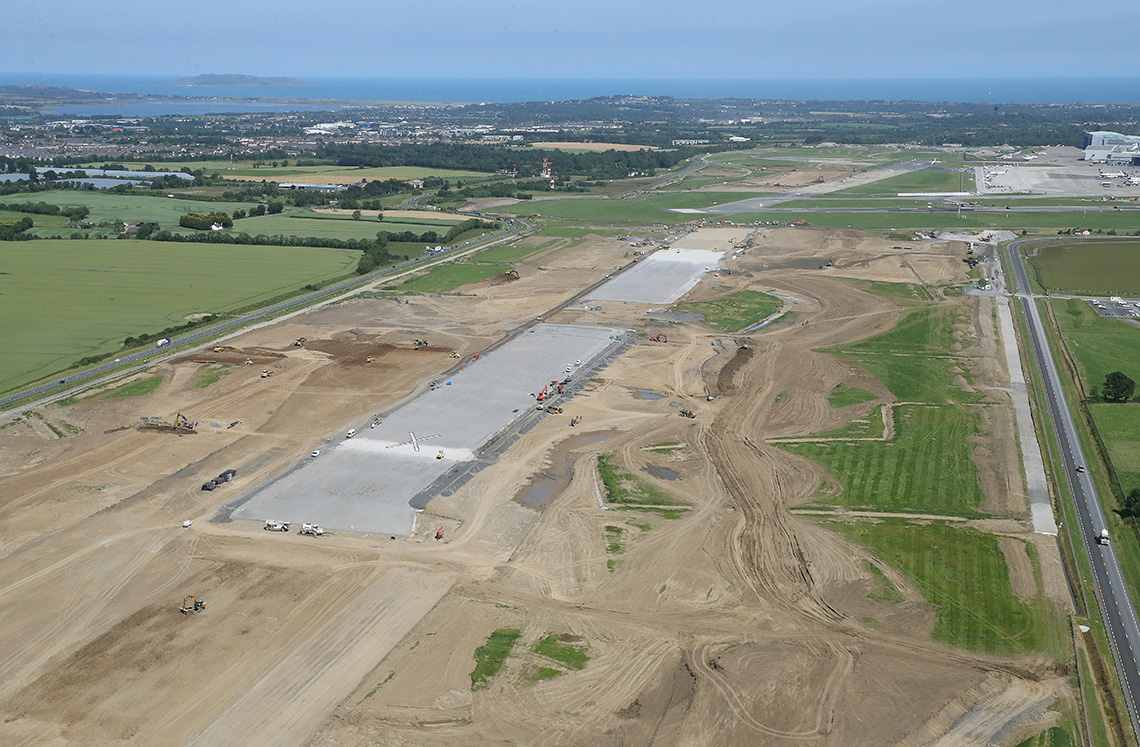
Planning Approval Secured To Amend Layout Of North Runway

Image Gallery Taxiway Markings Festa Aviao Ve culo Avia o

Aviation Services Construction FNC
Home Airports Engineering Design Construction Standards Airport Design Engineering Standards Airport Design and Engineering Standards This page provides a quick reference to engineering design and construction standards for various airport related equipment facilities and structures

AC 150 5300 13 Airport Design Runway Design Matrix Tool Expand All Collapse All Airport Design Tools Drawings by Taxiway Design Group TDG Contact Us Question about AC 150 5300 13 Airport Design and Construction Branch AAS 110 Last updated Tuesday October 24 2023

Runway Design Relevant Codes and Standards Runways are the primary operating surface at airfields and essential to fixed wing aircraft operations Fixed wing runways are built in a variety of lengths widths and pavement types depending on a large number of factors including Aircraft Type Operating Characteristics Wingspan Weight Mission
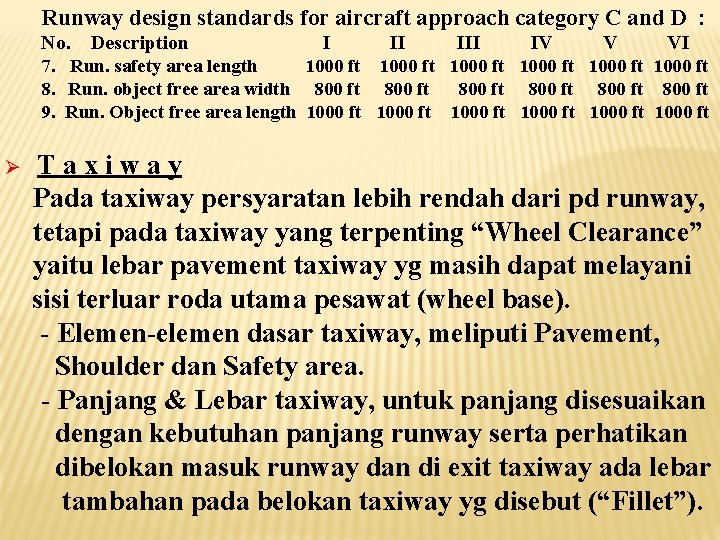
3 Runway Design Standards Changes to runway design standards for larger commercial aircraft with Runway Design Code RDC of C D E III and reduced pavement widths for lighter group C D E III aircraft offers potential cost savings in your next project
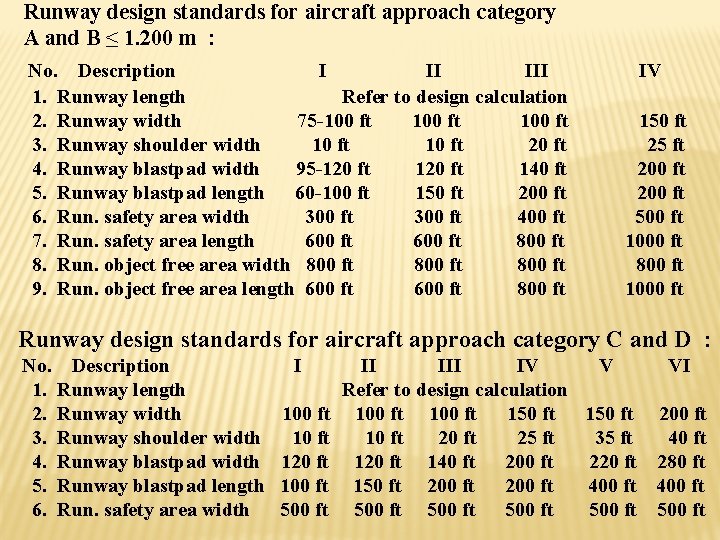
Introduction This Appendix discusses runway and taxiway design standards and runway length requirements FAA Design Guidelines Guidance on airport design standards is found in FAA Advisory Circular 150 5300 13A Airport Design Airport design standards provide basic guidelines for a safe efficient and economic airport system
Standards and Recommended Practices for Aerodromes were first adopted by the Council on 29 May 1951 pursuant to the provisions of Article 37 of the Convention on International Civil Aviation Chicago 1944 and designated as ICAO Annex 14 The FAA has established a standard set of parameters for issues like runway width separations between runways and taxiways safety areas around runways and taxiways shoulder width pads to redirect jet blasts object free areas and so on These norms heavily influence airport design standards which depend on airspeed and airplane mass
This document provides guidance on the design installation and maintenance of airport markings and signs based on the ICAO standards and recommended practices It covers topics such as runway taxiway apron holding position and mandatory instruction markings and signs as well as their dimensions colors materials and lighting