Python Apply Function With Multiple Arguments To List Pandas apply() Function to Single & Multiple Column(s) - Spark By Examples List append with 2 arguments - Python - Codecademy Forums Pandas Apply: 12 Ways to Apply a Function to Each Row in a DataFrame – Machine Learning for Developers Pandas Apply: 12 Ways to Apply a Function to Each Row in a DataFrame | Towards Data Science Python: Using the map() Function With Multiple Arguments (2021) Apply a function along an axis of the DataFrame Objects passed to the function are Series objects whose index is either the DataFrame s index axis 0 or the DataFrame s columns axis 1 By default result type None the final return type is inferred from the return type of the applied function
I am looking for a way to input named function arguments as one named list instead of specifying them individually when using the function Let s say I have this import numpy as np class Something init self one None two None three None kwargs self one one self two two self three three def sum self np sum self one Passing multiple arguments to a function in Python We can pass multiple arguments to a python function by predetermining the formal parameters in the function definition Python def displayMessage argument1 argument2 argument3 print argument1 argument2 argument3 displayMessage Geeks 4 Geeks Output Geeks 4 Geeks
Python: Using the map() Function With Multiple Arguments (2021) R Specify Multiple Arguments in apply Function (Example) | lapply / sapply Pandas DataFrame apply() Examples | DigitalOcean How to Write Functions in R (with 18 Code Examples) Viewing method parameter information | WebStorm Documentation Python's map(): Processing Iterables Without a Loop – Real Python Python map() Function - Spark By Examples The 10 Most Common Mistakes That Python Developers Make | Toptal® Python List Print - 7 Different Ways to Print a List You Must Know
Python Apply Function With Multiple Arguments To List
 Python Apply Function With Multiple Arguments To List
https://i0.wp.com/sparkbyexamples.com/wp-content/uploads/2021/08/apply-Function-to-Single-Multiple-Column.png?fit=1280%2C720&ssl=1
We achieve this functionality in the following ways map method Using list comprehensions lambda function Using map method map methods take two arguments iterables and functions and returns a map object We use list to convert the map object to a list Program Python3 def double integer return integer 2 integer list 1 2 3
Pre-crafted templates provide a time-saving service for creating a varied series of documents and files. These pre-designed formats and designs can be made use of for different individual and expert projects, consisting of resumes, invitations, flyers, newsletters, reports, discussions, and more, simplifying the content production procedure.
Python Apply Function With Multiple Arguments To List

Pandas apply() with Lambda Examples - Spark By Examples
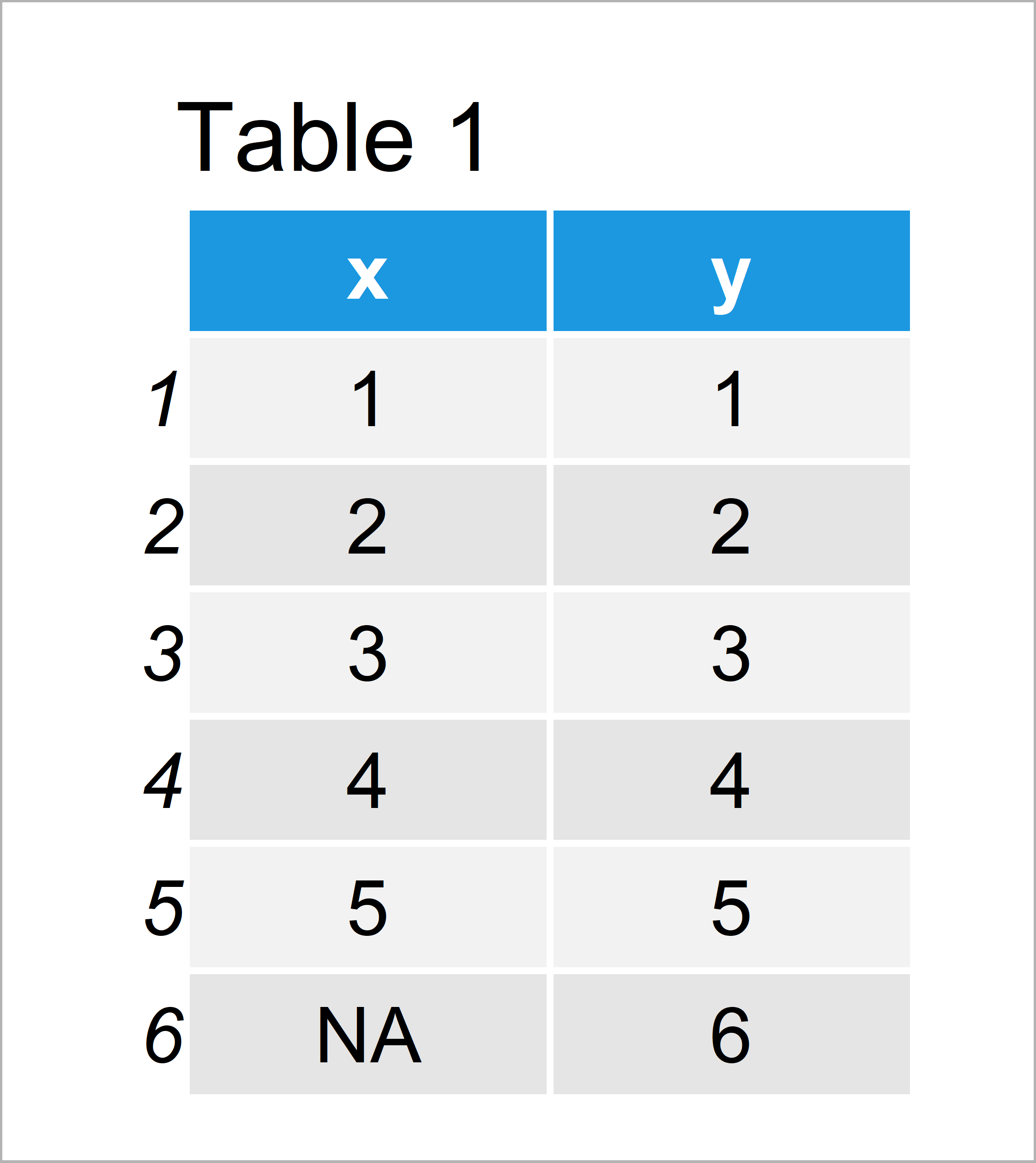
R Specify Multiple Arguments in apply Function (Example) | lapply / sapply
Pandas DataFrame apply() Examples | DigitalOcean
How to Write Functions in R (with 18 Code Examples)

Python's map(): Processing Iterables Without a Loop – Real Python
Python map() Function - Spark By Examples

19 I m trying to clean up some code in Python to vectorize a set of features and I m wondering if there s a good way to use apply to pass multiple arguments Consider the following current version def function 1 x if string in x return 1 else return 0 df newFeature df oldFeature apply function 1

12 I have a method called counting that takes 2 arguments I need to call this method using the apply method However when I am passing the two parameters to the apply method it is giving the following error TypeError counting takes exactly 2 arguments 1 given
Overall there are several ways to apply functions with multiple arguments in pandas including using lambda functions the applymap method and creating custom functions By using these methods you can transform and manipulate your data in various ways to suit your unique needs and goals

114 Why not just do this df NewCol df apply lambda x segmentMatch x TimeCol x ResponseCol axis 1 Rather than trying to pass the column as an argument as in your example we now simply pass the appropriate entries in each row as argument and store the result in NewCol Share Follow edited Jul 19 2022 at 8 35

You can also try using applymap function Documentation available here pandas pydata pandas docs stable generated sriramn Mar 20 2018 at 18 11
0 or index apply function to each column 1 or columns apply function to each row The function receives all values from the current row and they can be accessed by x Latitude To create a new column after applying a function we can use df country df apply geo rev axis 1 Option 2 Apply function to multiple columns with parameters This concept of passing a single list of elements as multiple arguments is known as Unpacking Argument List We use args to unpack the single argument into multiple arguments We use the unpacking operator when arguments are not available separately For example range function in Python stores three different arguments start stop and
The function syntax is def apply self func axis 0 broadcast None raw False reduce None result type None args kwds The important parameters are func The function to apply to each row or column of the DataFrame axis axis along which the function is applied