Present Perfect Continuous Tense Affirmative Formula Present Perfect Tense Sentences Affirmative Negative Interrogative Present Perfect Continuous Tense Formula Usage Exercise Grammar Archives Page 10 Of 15 English Grammar Here English Past Continuous Tense Affirmative Negative And Interrogative Present Simple Tense Affirmative Negative Interrogative English Here are the key rules to follow while using the present perfect continuous tense Rule 1 Use has been when you use singular subjects or singular forms of nouns This holds true for singular forms of any noun or pronouns that stand for nouns too E g Mary has been the boat has been he has been it has been
The present perfect continuous also called the present perfect progressive is formed with have has the present tense forms of have been the past participle form of be the present participle ing form of the verb Affirmative Subject Auxiliary The Present Perfect Continuous uses two auxiliary verbs together with a main verb In this lesson we look at the structure and use of the Present Perfect Continuous tense as well as the use of for and since followed by a quiz to check your understanding Note that continuous tenses are also called progressive tenses
Present Simple Tense Affirmative Negative Interrogative English English 1 Presente Simple Present Perfect Continuous Tense Definition Rules And Useful Examples Present Tense Formula Present Perfect Tense Formula In Hindi The Present Perfect Continuous Tense Formula Past Perfect Continuous Present Simple Tense The Present Simple Affirmative Form Negative Form Future Perfect Continuous Tense Download Complete PDF Present Tense Formula Chart Present Simple Tense Table Hering The WRITTEN COMMUNICATION III 2020 Future Tenses
Present Perfect Continuous Tense Affirmative Formula
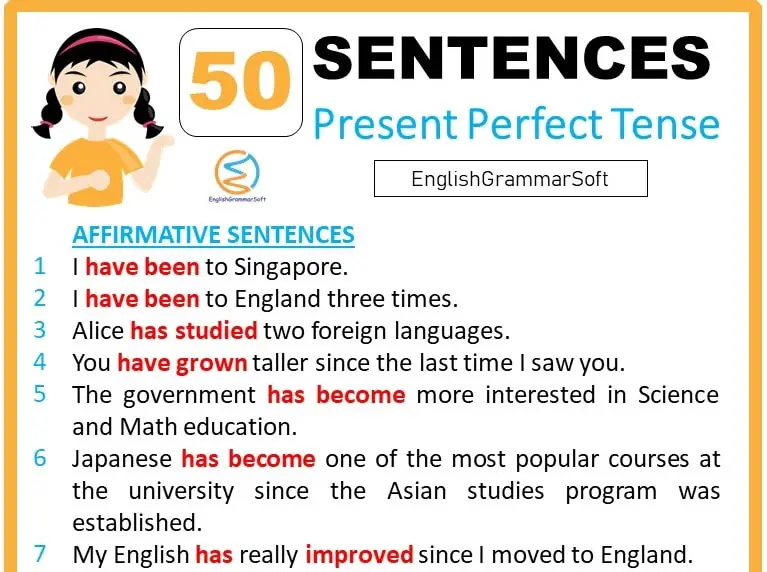 Present Perfect Continuous Tense Affirmative Formula
https://englishgrammarsoft.com/wp-content/uploads/2020/07/present-perfect-tense-exampes-min.jpg
The present perfect continuous is used to refer to an unspecified time between before now and now The speaker is thinking about something that started but perhaps did not finish in that period of time He she is interested in the process as well as the result and this process may still be going on or may have just finished
Templates are pre-designed files or files that can be utilized for numerous purposes. They can conserve time and effort by supplying a ready-made format and layout for producing different type of material. Templates can be used for individual or professional jobs, such as resumes, invitations, flyers, newsletters, reports, presentations, and more.
Present Perfect Continuous Tense Affirmative Formula
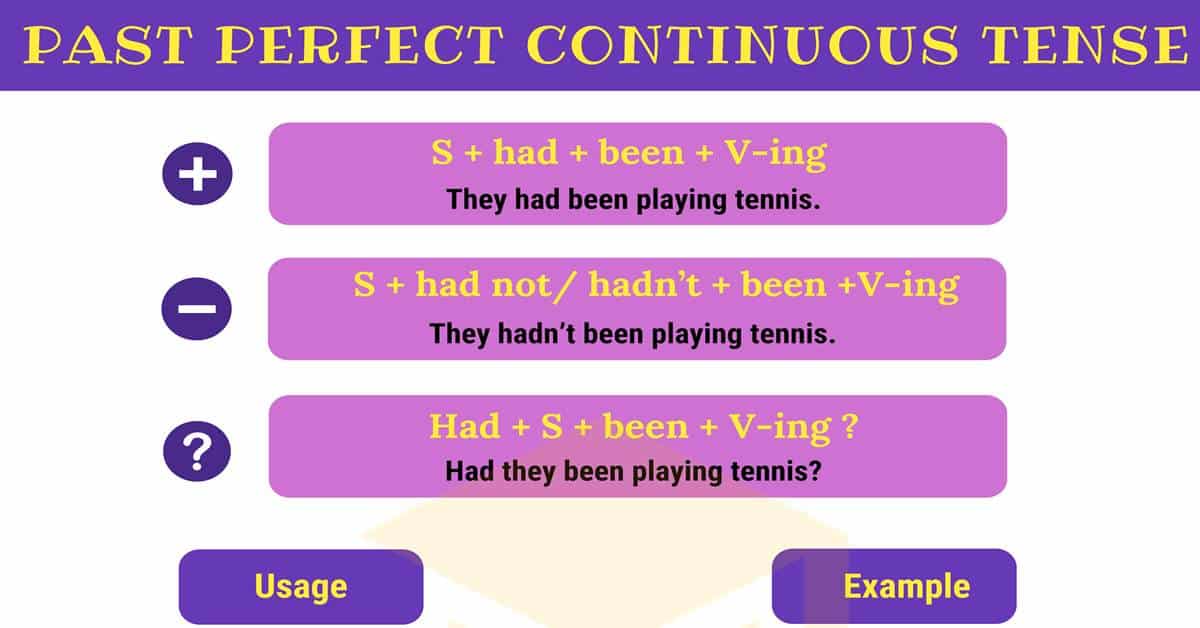
Past Perfect Continuous Tense Definition Rules And Useful Examples 7ESL
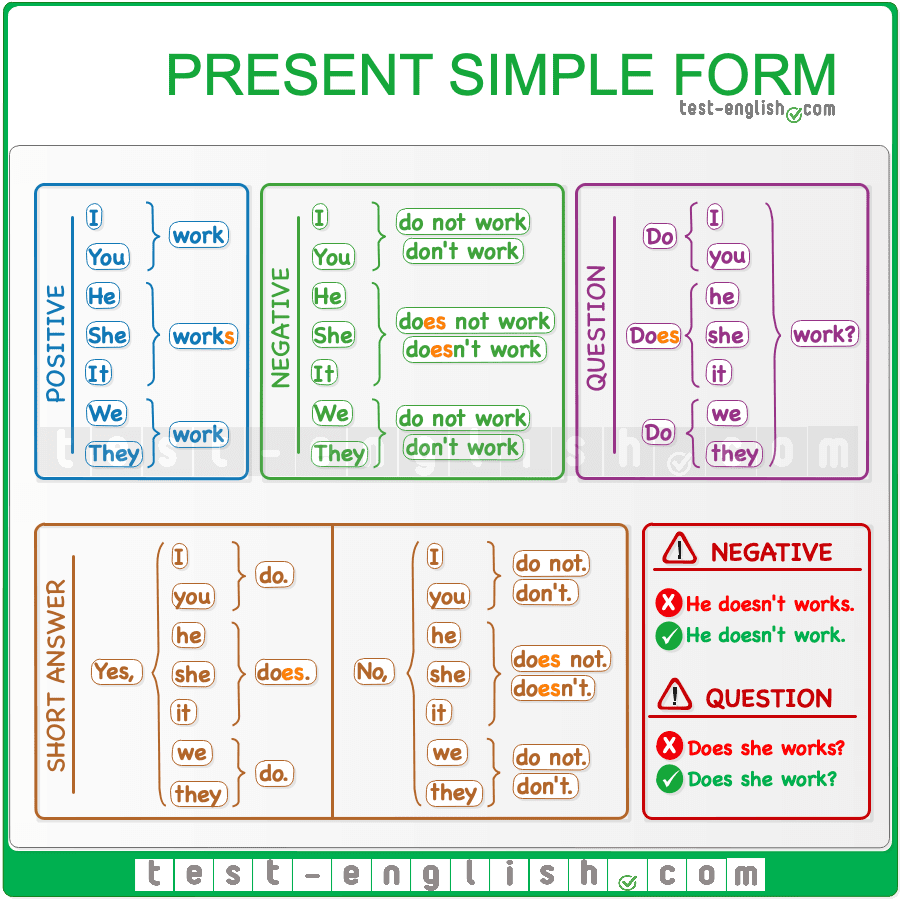
English 1 Presente Simple

Present Perfect Continuous Tense Definition Rules And Useful Examples

Present Tense Formula Present Perfect Tense Formula In Hindi The
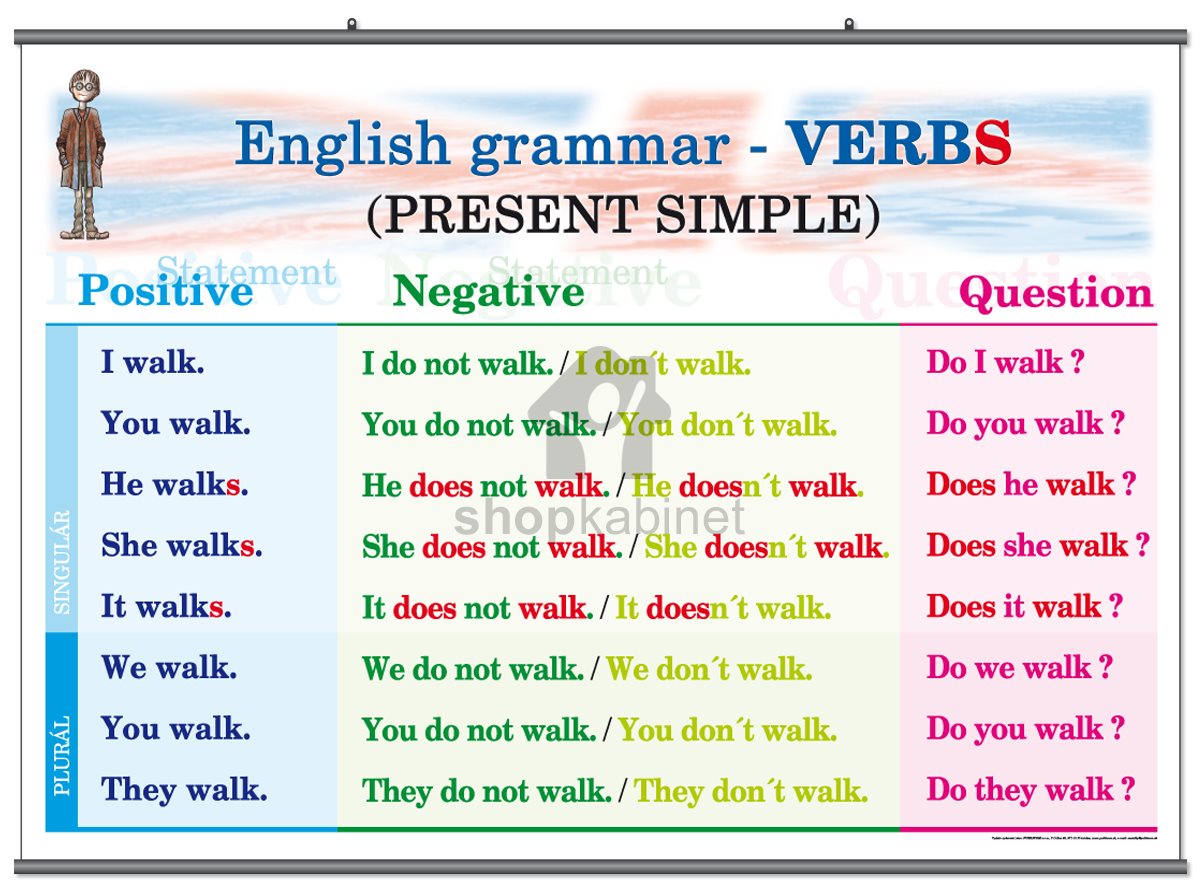
Present Simple Tense The Present Simple Affirmative Form Negative Form

Future Perfect Continuous Tense Download Complete PDF
The present perfect continuous also known as the present perfect progressive is a verb tense used to talk about something that started in the past and is continuing at the present time I have been reading War and Peace for a month now In this sentence using the present perfect continuous conveys that reading War and Peace is an activity

Revised on September 25 2023 The present perfect continuous is a verb tense used to refer to an action that started sometime in the past and is still ongoing It also sometimes describes an action that was just completed as long as it s still relevant to the present e g I ve been working hard all day and now I m getting some

Most verbs can easily be converted to fit the present perfect continuous simply by adding an ing onto the end of the word e g play playing But there are several exceptions to this spelling formula you need to be aware of as outlined below When a verb ends with ONE final E remove it and add ing

Affirmative negative yes no wh questions b1 Reference Practice Present perfect continuous I ve been studying all day I hate this weather We use the present perfect continuous to talk about an action or activity that started in the past and continues now or has only just stopped

The present perfect continuous refers to an action that started before now but is still ongoing e g I have been playing guitar all morning and I m still playing now The formula is subject has have been present participle root verb ing We often use lately recently all day for years with this tense
The present perfect progressive continuous is actually easier to understand than the present perfect simple tense It is used to describe an event that started in the past but is still happening in the present That event in the present can be An habitual event I have been living in this house for 40 years I started living in it 40 years To form the present perfect continuous tense also known as the present perfect progressive tense all you have to do is use the following formula has have been the present participle root ing Remember to use has for a singular noun or pronoun and have for a plural noun or pronoun including the pronoun you For
To make the sentence negative we add not after auxiliary verb present tense Subject has have not been V1 ing Examples of negative sentences Julia has not been making a sponge cake He has not been reading his favorite book She has not been planting for three hours They have not been studying since morning