Postgresql Primary Key Clustered Index How To Reorganize And Rebuild Index In SQL Server All Version Change Data Capture With PostgreSQL Debezium And Axual Part 1 Choosing Primary Key Type In Postgres Shekhar Gulati Postgresql Tutorials Primary Key Constraints In Postgresql Clustered Vs Nonclustered Index What Are The Main Differences 81 Closed This question needs details or clarity It is not currently accepting answers Want to improve this question Add details and clarify the problem by editing this post Closed 3 years ago Improve this question
Once you create your table primary key or any other Index you can execute the CLUSTER command by specifying that Index name to achieve the physical order of the Table Data CLUSTER instructs PostgreSQL to cluster the table specified by table name based on the index specified by index name The index must already have been defined on table name Explanation In the above syntax schema name means table name that we need to cluster which means the content of the table physically reorders based on the indexing Clustering is a one time operation meaning clustering changes are not allowed Index name means index name VERBOSE is used to print progress reports of database tables clustered
Clustered Vs Nonclustered Index What Are The Main Differences Create A PostgreSQL Database Ansible Module Postgresql db Ansible Pilot PostgreSQL Vs MySQL The Important Differences Xano Clustered Index Vlad Mihalcea Learn Use PostgreSQL Getting Started With Sequelize And PostgreSQL PostgreSQL SELECT Clustered Vs Nonclustered Index Structures In SQL Server YouTube Enterprise grade PostgreSQL Databases cloudbrand PostgreSQL UNIQUE Index How UNIQUE Index Works In PostgreSQL
Postgresql Primary Key Clustered Index
 Postgresql Primary Key Clustered Index
https://www.emaildoctor.org/blog/wp-content/uploads/2022/07/1.png
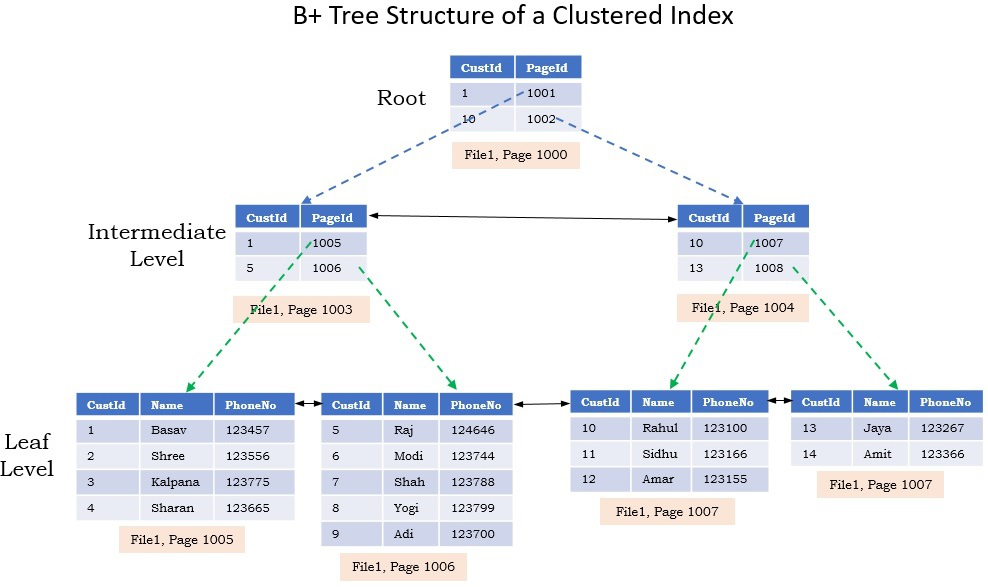
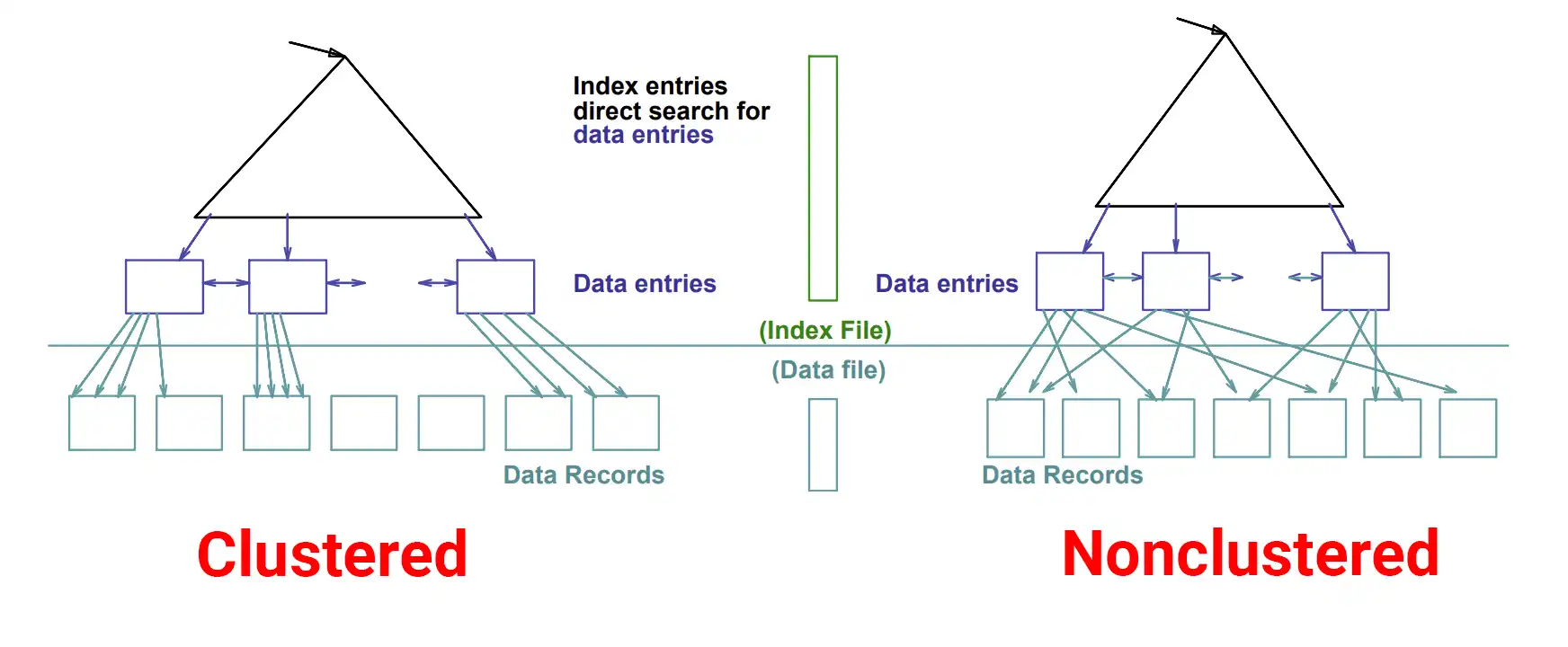
Fetching of data using a secondary index is similar as in case of PostgreSQL except that InnoDB secondary index lookup gives a primary key as a pointer to fetch the remaining data from the clustered index For example as shown in the above picture the clustered index is on column ID so table data is sorted by the same
Templates are pre-designed files or files that can be used for different purposes. They can conserve time and effort by offering a ready-made format and layout for creating various type of material. Templates can be utilized for personal or professional jobs, such as resumes, invites, flyers, newsletters, reports, discussions, and more.
Postgresql Primary Key Clustered Index
PostgreSQL Vs MySQL Differences In Syntax A Developer Guide

Create A PostgreSQL Database Ansible Module Postgresql db Ansible Pilot
PostgreSQL Vs MySQL The Important Differences Xano

Clustered Index Vlad Mihalcea
PostgreSQL SELECT

Clustered Vs Nonclustered Index Structures In SQL Server YouTube
If you are requesting a range of indexed values from a table or a single indexed value that has multiple rows that match CLUSTER will help because once the index identifies the table page for the first row that matches all other rows that match are probably already on the same table page and so you save disk accesses and speed up the query

Clustered index database internals heap Share Improve this question Follow edited Apr 3 2019 at 19 50 MDCCL 8 470 3 30 59 asked Apr 2 2019 at 20 24 Jude 63 1 5 SQL Server tables can be used as heaps but the benefit of having the clusters index that automatically sorts data is far greater to not have one

A primary key is a column or a group of columns used to identify a row uniquely in a table You define primary keys through primary key constraints Technically a primary key constraint is the combination of a not null constraint and a UNIQUE constraint A table can have one and only one primary key

The index covers the columns that make up the primary key or unique constraint a multicolumn index if appropriate and is the mechanism that enforces the constraint Note There s no need to manually create indexes on unique columns doing so would just duplicate the automatically created index
Foreign Keys 5 4 6 Exclusion Constraints Data types are a way to limit the kind of data that can be stored in a table For many applications however the constraint they provide is too coarse For example a column containing a product price should probably only accept positive values
What is Indexing Indexing makes columns faster to query by creating pointers to where data is stored within a database Imagine you want to find a piece of information that is within a large You can choose to make the primary key index a clustered index when you create the table or you can later cluster the table on the primary key index
This CONSTRAINT pk UserID PRIMARY KEY CLUSTERED U Id and this CONSTRAINT pk UserID PRIMARY KEY NONCLUSTERED U Id When to use each I read some article but it is still unclear to me Can someone give me a quick explanation database sql server 2008 primary key clustered index Share Improve this question Follow edited Dec 20 2016 at 17 17