Passing Arguments In Python Python Passing Arguments To Functions YouTube Python Programming Part 35 Passing Arguments In Python YouTube Function In Python Python Guides Learn Python Sys Module Python Functions Examples Call Indentation Arguments Return Values The actual parameters or arguments are passed during a function call We can define a function with a variable number of arguments An illustration of what a function definition and how arguments work in Python Image Indhumathy Chelliah Here s what you need to know about the five common types of arguments in Python function definition
Passing Multiple Arguments to a Function args and kwargs allow you to pass multiple arguments or keyword arguments to a function Consider the following example This is a simple function that takes two arguments and returns their sum Python def my sum a b return a b This function works fine but it s limited to only two arguments 00 52 To pass an argument to a function means to give that argument value to its associated parameter variable So in this example you would pass an argument for the parameter num This function would then take that value multiply it by itself essentially squaring it and then return that squared result
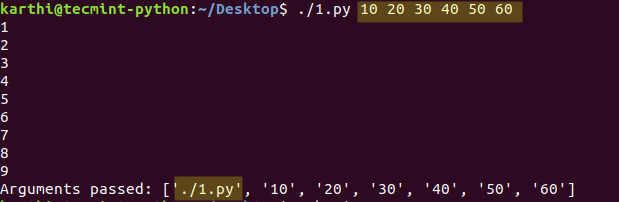
Python Functions Examples Call Indentation Arguments Return Values Understanding args And kwargs Arguments In Python Passing Arguments parameters Via Command Line In Python YouTube Python Tutorials Classes And Objects OOPs Concepts Python Passing A Lists As Arguments Definition And Concepts Default Parameters And Multiple Arguments In Python YouTube Python For Beginners Video 16 Passing Arguments In Python Using Passing Arguments By Reference In Java YouTube Solved Passing Multiple Arguments In Python Thread 9to5Answer
Passing Arguments In Python
 Passing Arguments In Python
https://i.ytimg.com/vi/JysmyvtUMkg/maxresdefault.jpg
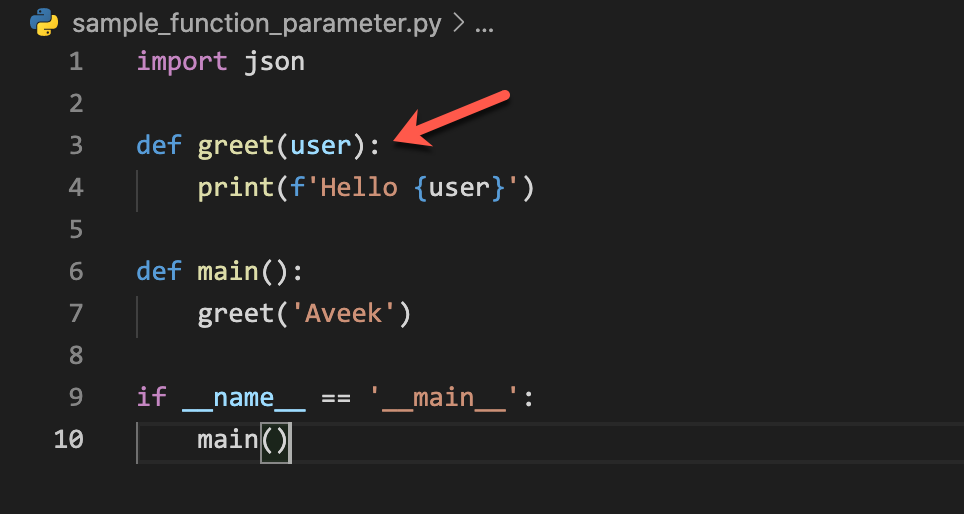
In Python programming arguments allow you to pass data to functions Understanding how to properly define function parameters and pass arguments is crucial for building reusable and maintainable Python programs This guide will provide a thorough overview of passing different argument types to Python functions and handling return
Pre-crafted templates offer a time-saving solution for producing a varied range of documents and files. These pre-designed formats and designs can be used for numerous individual and expert projects, consisting of resumes, invitations, flyers, newsletters, reports, presentations, and more, enhancing the content production procedure.
Passing Arguments In Python
Mastering Python Lesson 4 functions parameters arguments
Understanding args And kwargs Arguments In Python

Passing Arguments parameters Via Command Line In Python YouTube
Python Tutorials Classes And Objects OOPs Concepts

Default Parameters And Multiple Arguments In Python YouTube
Python For Beginners Video 16 Passing Arguments In Python Using

In Python we can provide default values to function arguments We use the operator to provide default values For example def add numbers a 7 b 8 sum a b print Sum sum function call with two arguments add numbers 2 3 function call with one argument add numbers a 2 function call with no arguments

In Python sometimes there is a situation where we need to pass multiple arguments to the function Such types of arguments are called arbitrary arguments or variable length arguments We use variable length arguments if we don t know the number of arguments needed for the function in advance

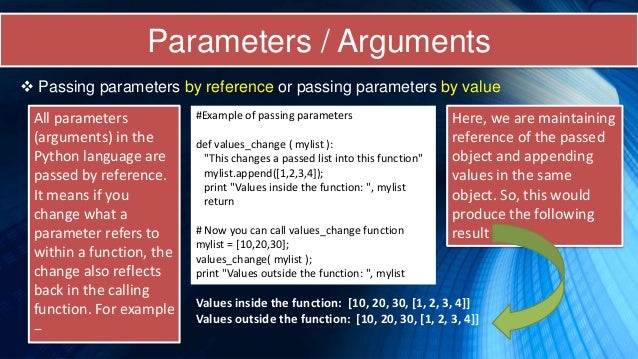
In this tutorial you ll explore the concept of passing by reference and learn how it relates to Python s own system for handling function arguments You ll look at several use cases for passing by reference and learn some best practices for implementing pass by reference constructs in Python
call by value and call by name The evaluation strategy for arguments i e how the arguments from a function call are passed to the parameters of the function differs between programming languages The most common evaluation strategies are call by value and call by reference

1 Number of arguments passed 2 The order in which the arguments are passed
[desc-11] [desc-12]
[desc-13]