List Keys In Redis Cli Redis CLI List Keys Let You Understand The Two Strategies In Redis Develop Paper Redis CLI List Keys Find And Delete Multiple Keys Matching By A Pattern In Redis The Right Way Redis CLI List Keys I want to see all the keys present in my Redis cluster I know for standalone we use KEYS to get all the keys what is the way to see all keys in Redis cluster redis cli h hostname p 90001 c hostname 90001 KEYS empty list or set I have data on my cluster
Sorted by 4 First of all you should NOT use the KEYS command which might block Redis for a long time Instead you need to use the SCAN command to get all keys in the database Secondly before Redis 6 0 there s no native way to do that you have to call SCAN to iterate the key space and for each key use the TYPE command to get its type 1 Answer The difference between DEL and GET in this context is that the former is variadic i e accepts one or more arguments whereas the latter isn t one and only one key name is expected Use the L switch with xargs i e redis cli keys number xargs L 1 redis cli get Use MGET i e redis cli keys number xargs redis cli mget
Redis CLI List Keys Redis CLI List Keys Find And Delete Multiple Keys Matching By A Pattern In Redis The Right Way Redis Database Basics How The Redis CLI Works Common Commands And Redis CLI List Keys Redis Data Type Knowledge Using The Redis Command Line Correctly Lightrun Redis cli Azure Cache For Redis Microsoft Learn Redis
List Keys In Redis Cli
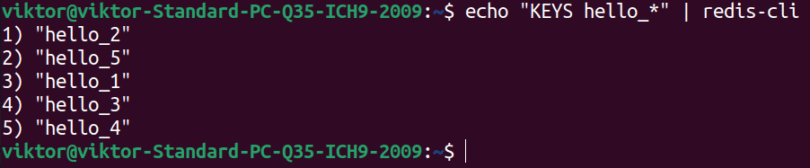 List Keys In Redis Cli
https://linuxhint.com/wp-content/uploads/2022/07/Redis-CLI-List-Keys-6-810x168.png
The SCAN command and the closely related commands SSCAN HSCAN and ZSCAN are used in order to incrementally iterate over a collection of elements SCAN iterates the set of keys in the currently selected Redis database SSCAN iterates elements of Sets types HSCAN iterates fields of Hash types and their associated values
Pre-crafted templates offer a time-saving solution for developing a diverse variety of files and files. These pre-designed formats and designs can be made use of for numerous personal and expert tasks, including resumes, invitations, leaflets, newsletters, reports, discussions, and more, simplifying the content development process.
List Keys In Redis Cli

How To Check If Redis Is Running Speaks scarboro99
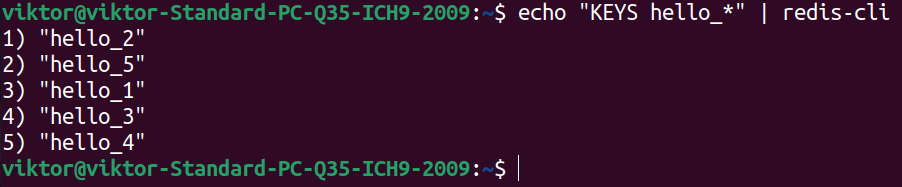
Redis CLI List Keys

Find And Delete Multiple Keys Matching By A Pattern In Redis The Right Way
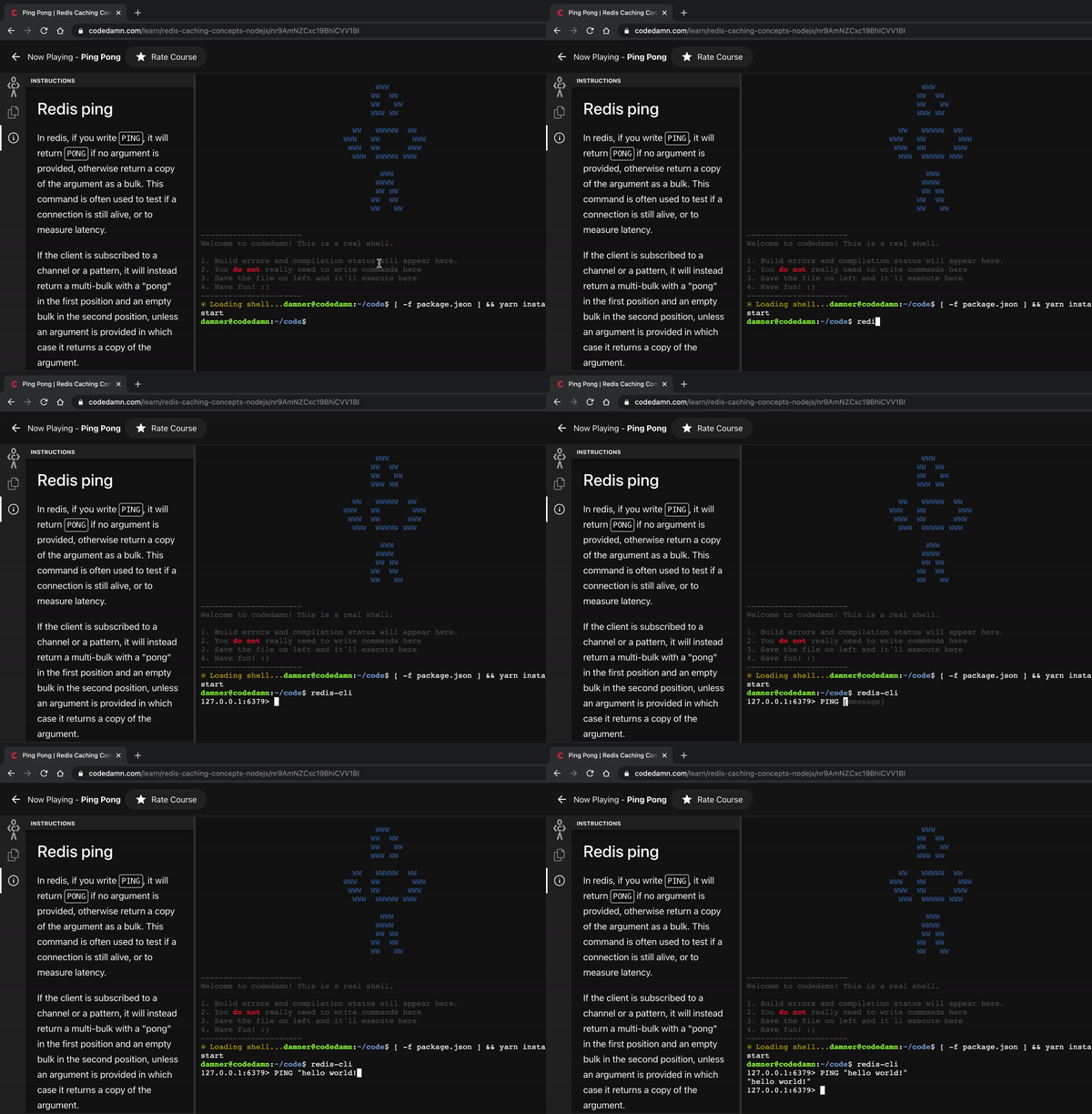
Redis Database Basics How The Redis CLI Works Common Commands And
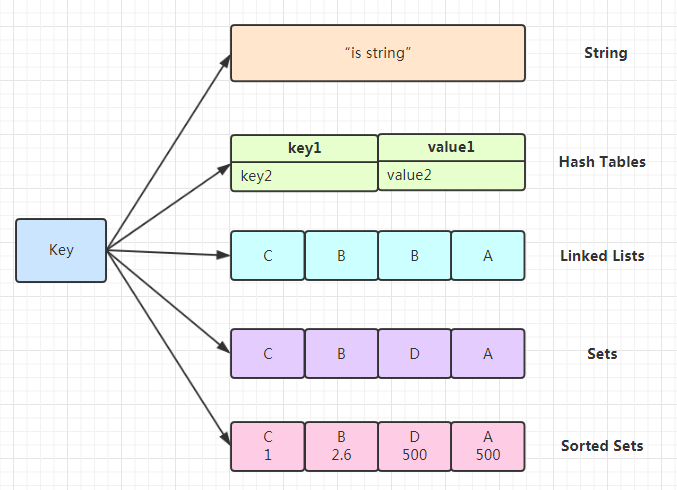
Redis Data Type Knowledge
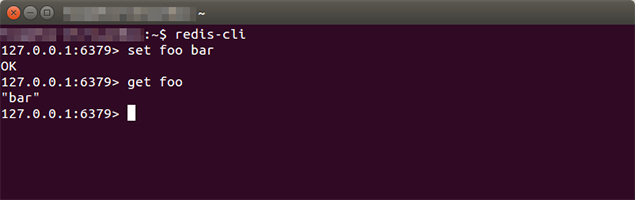
Using The Redis Command Line Correctly Lightrun
KEYS O N with N being the number of keys in the database under the assumption that the key names in the database and the given pattern have limited length Returns all keys matching pattern While the time complexity for this operation is O N the constant times are fairly low For example Redis running on an entry level laptop can scan

When we already know the length of the list it s convenient to use the lrange command to retrieve the entire data set easily 127 0 0 1 6379 lrange balls 0 2 1 cricket 160 2 football 450 3 volleyball 270 3 2 Set Next let s see how we can explore the data set when we decide to store it in a Redis set

Redis Get All Keys Redis CLI There are two ways to get all keys from the all databases in Redis The first way is to list keys using scan option and the second one is to get all keys using the KEYS command Note that the first way of getting all keys is preferable as it doesn t require the client to load all the keys into memory
By default redis cli connects to the server at the address 127 0 0 1 with port 6379 You can change the port using several command line options To specify a different host name or an IP address use the h option In order to set a different port use p redis cli h redis15 localnet p 6390 PING PONG

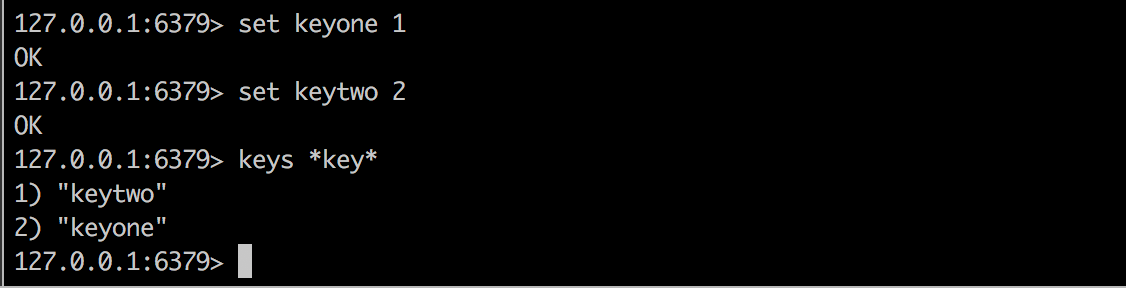
Retrieving all existing keys As it turns out every SET command we issued above created a new unique key within our Redis database To get a list of all current keys that exist simply use the KEYS command KEYS 1 title 1 2 title 2 3 title 4 author 2 5 author 6 author 1 By following KEYS with an asterisk which
If I m using MONITOR on the cli redis 127 0 0 1 6379 monitor OK 1373372711 017761 1 unix tmp redis 6379 sock KEYS project prefix 1 I can see a request using the django cache prefix which should prove the redis cli is connected to the same service But even searching for that prefix in the redis cli returns an empty list or set Redis reads lists from left to right and you can add new list elements to the head of a list the left end with the lpush command or the tail the right end with rpush You can also use lpush or rpush to create a new list lpush key value Both commands output an integer showing how many elements are in the list
Returns the last element of a list after removing and pushing it to another list Deletes the list if the last element was popped Read more RPUSH Appends one or more elements to a list Creates the key if it doesn t exist Read more RPUSHX Appends an element to a list only when the list exists Read more SADD