Difference Between Return And Returns To Scale What s The Difference Between Return And Break In Python Be On The Difference Between Law Of Variable Proportions And Return To Scale What Are The Differences Between Yield And Return In Python Scaler Difference Between Diminishing Returns And Decreasing Returns To Scale On Estimating Optimal returns To Scale Journal Of The Operational With a simple adjustment it is possible to show that increasing returns to scale in production means that an increase in resource usage by say x percent results in an increase in output by more than x percent
This video explains the difference between economies of scale and returns to scale Figure 6 2 2 6 2 2 Productivity with Increasing Returns to Scale Note that as output scale increases from Q1S Q S 1 to Q2S Q S 2 labor productivity given by the reciprocal of the unit labor requirement also rises In other words output per unit of labor input increases as the scale of production rises hence increasing returns to scale
On Estimating Optimal returns To Scale Journal Of The Operational Types Of Returns To Scale What Is Returns To Scale Definition Economies Of Scale Meaning And Types Owlcation Python Yield Vs Return Top 9 Comparisons Of Python Yield Vs Return The Law Of Diminishing Returns And Returns To Scale YouTube Diminishing Returns To Scale Economies Of Scale And Diminishing The Law Of Returns To Scale It Describes The Relationship Between Returns TO Scale PRODUCTIVITY RETURNS TO SCALE OVERCOMING Laws Of Returns To Scale Study Material
Difference Between Return And Returns To Scale
 Difference Between Return And Returns To Scale
https://blog.finxter.com/wp-content/uploads/2022/10/image-190-768x512.png
Returns to scale in economics describe the production ratios of inputs and outputs Inputs are the labor capital new technology or equipment while outputs are finished goods or services
Templates are pre-designed files or files that can be used for different functions. They can save effort and time by offering a ready-made format and layout for producing different sort of material. Templates can be used for personal or expert tasks, such as resumes, invitations, flyers, newsletters, reports, discussions, and more.
Difference Between Return And Returns To Scale

PDF The Role Of Returns To Scale In The Relationship Between Exchange

Types Of Returns To Scale What Is Returns To Scale Definition

Economies Of Scale Meaning And Types Owlcation
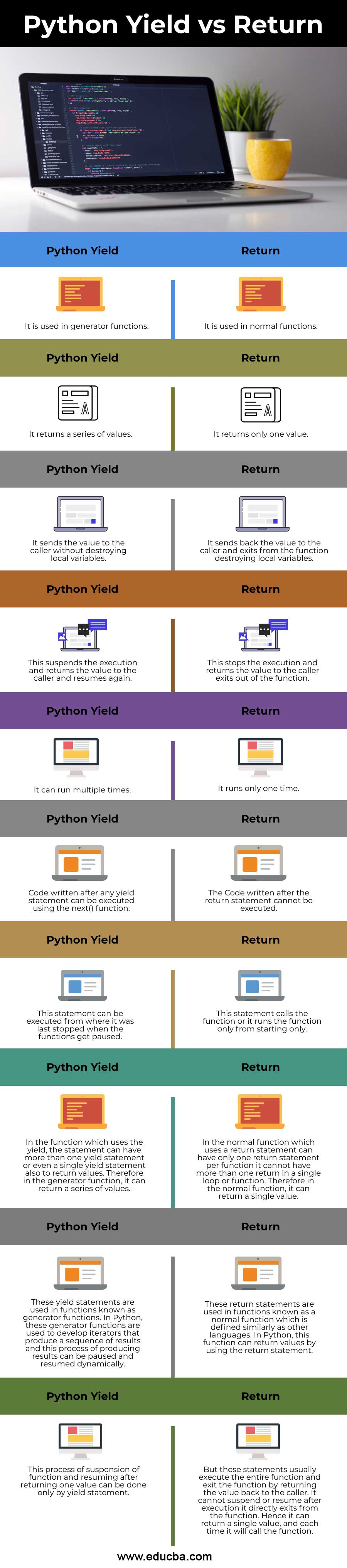
Python Yield Vs Return Top 9 Comparisons Of Python Yield Vs Return
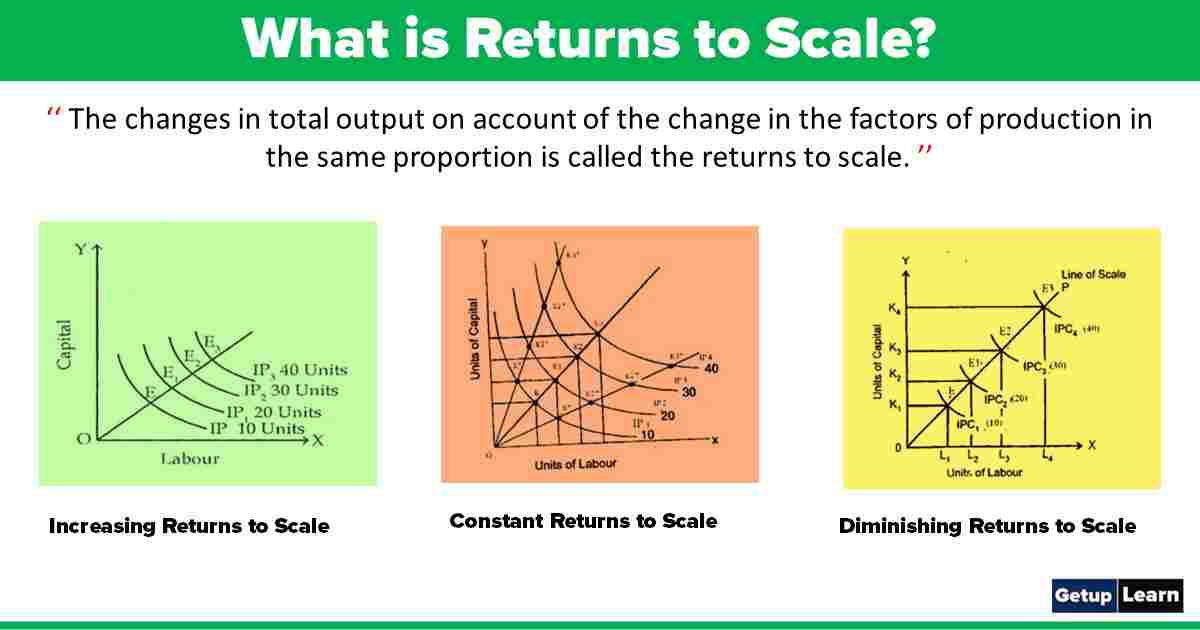
Diminishing Returns To Scale Economies Of Scale And Diminishing

The Law Of Returns To Scale It Describes The Relationship Between

Returns to Factor and Returns to Scale refer to the rise in the total product because of increasing just one factor while holding the other factors constant and change in the factor inputs simultaneously in the same proportion in the long run respectively What is Returns to Factor

Returns to scale in economics is a term that defines the relationship between the input changes in proportion with the output during production using the same type of technology It reflects the change or variation in productivity A producer commonly uses inputs such as labor and capital to produce goods and services

The term returns to scale refers to how well a business or company is producing its products It tries to pinpoint increased production in relation to factors that contribute to production over a period of time Most production functions include both labor and capital as factors
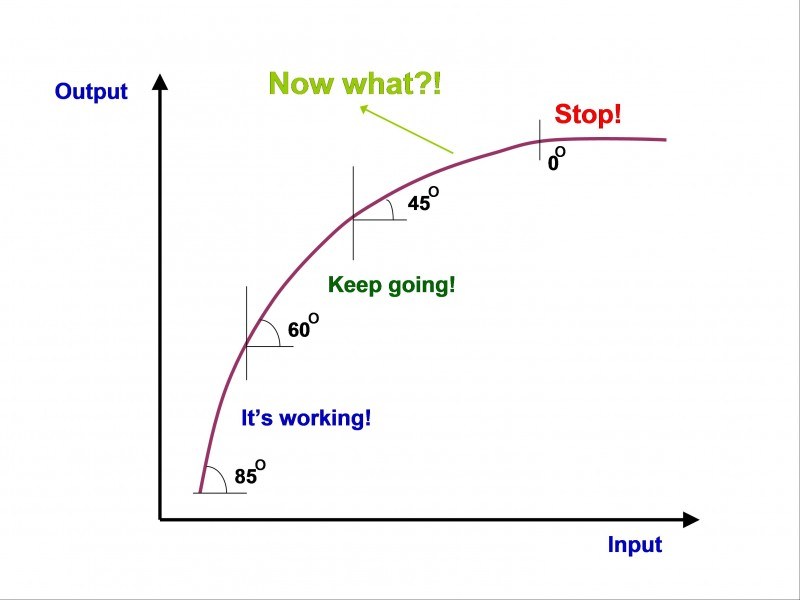
Returns to scale In economics the concept of returns to scale arises in the context of a firm s production function It explains the long run linkage of increase in output production relative to associated increases in the inputs factors of production In the long run all factors of production are variable and subject to change in
What are returns to scale Returns to scale include the influence on production output when all the input changes in the same way There are three ways returns to scale can impact the workplace They include Constant returns to scale When input increases output increases by a proportional amount
Constant Returns to Scale Constant returns to scale occur when a firm s output exactly scales in comparison to its inputs For example a firm exhibits constant returns to scale if its output exactly doubles when all of its inputs are doubled This relationship is shown by the first expression above Equivalently one could say that increasing Returns to a factor and returns to scale are two important laws of production Both laws explain the relation between inputs and output Both laws have three stages of increasing decreasing and constant returns Even then there are fundamental differences between the two laws
Definition Marginal Returns indicate the additional output produced by employing one more unit of input while keeping other inputs constant Example If adding one more worker increases total output from 50 to 60 units the marginal return of the additional worker is 10 units Average Returns Definition