Difference Between Block Design And Matched Pairs Matched Pairs Design: An Introduction – QUANTIFYING HEALTH Matched Pairs Design: An Introduction – QUANTIFYING HEALTH Matched pairs experiment design (video) | Khan Academy Types of Experimental Designs (3.3) - YouTube Randomized Block Design: An Introduction – QUANTIFYING HEALTH Figure 1 outlines this experiment s design Matched Pairs Subjects that are most similar are placed in pairs Each pair is a specific block Then each subject
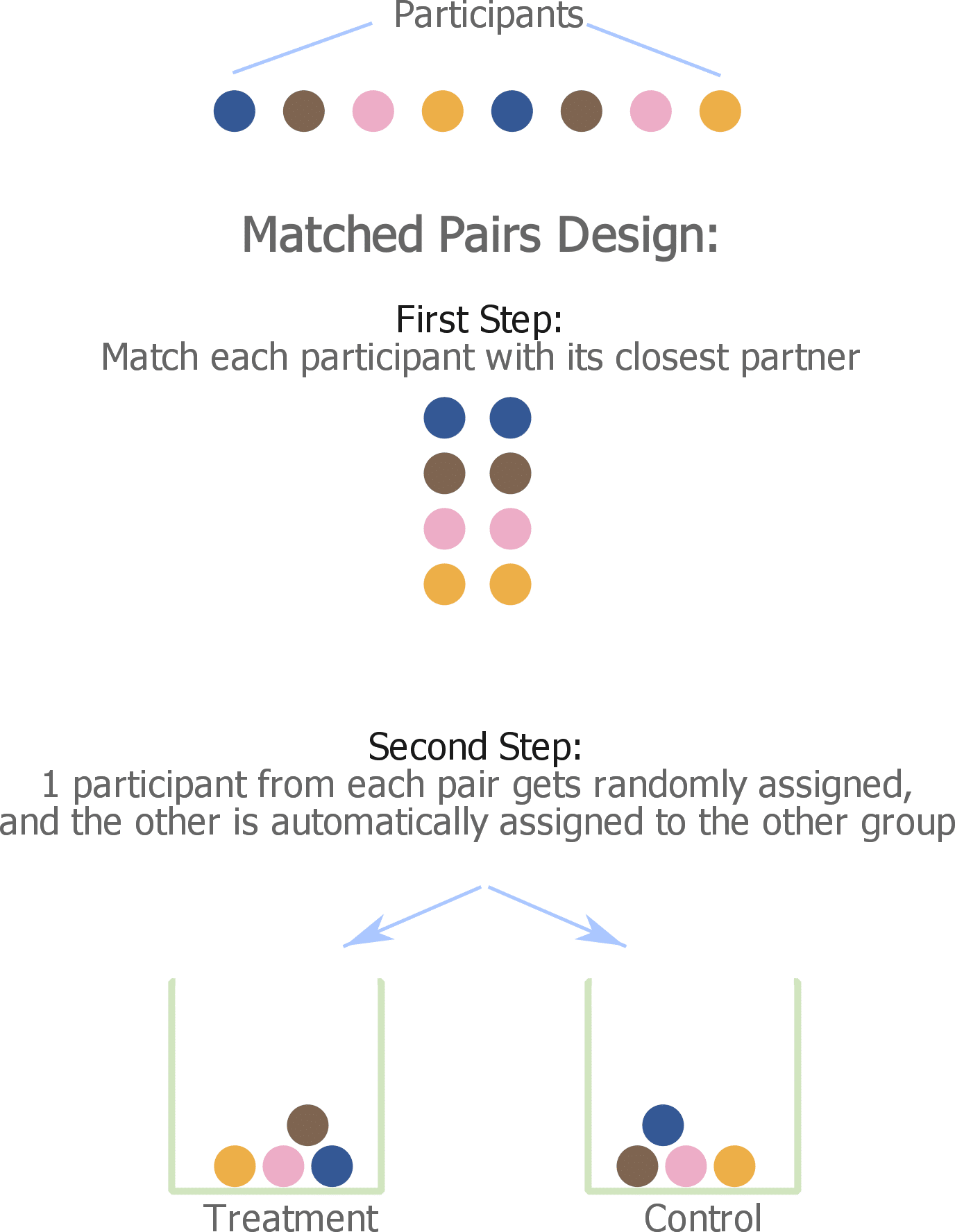
Pairs design of an experiment and it s essentially instead of going through all this trouble A matched pairs design is a type of experimental design wherein study participants are matched based on key variables or shared characteristics
Randomized Block Design: An Introduction – QUANTIFYING HEALTH Randomized Block Design: An Introduction – QUANTIFYING HEALTH Chapter 1 Introduction to experiment design (video) | Khan Academy CHAPTER 4 Designing Studies - ppt download Guide to Experimental Design | Overview, 5 steps & Examples Designing Experiments - ppt download GraphPad Prism 9 Statistics Guide - Model tab: Two-way ANOVA Dissociation between individual differences in self-reported pain intensity and underlying fMRI brain activation | Nature Communications
Difference Between Block Design And Matched Pairs
 Difference Between Block Design And Matched Pairs
https://quantifyinghealth.com/wp-content/uploads/2020/08/Matched-pairs.png
Notice that the matched pairs design is really just a fancy version of a block design where each block is of size 2 two students paired with similar GPAs
Pre-crafted templates use a time-saving service for developing a diverse series of documents and files. These pre-designed formats and designs can be utilized for different individual and professional tasks, including resumes, invitations, flyers, newsletters, reports, presentations, and more, improving the material creation process.
Difference Between Block Design And Matched Pairs

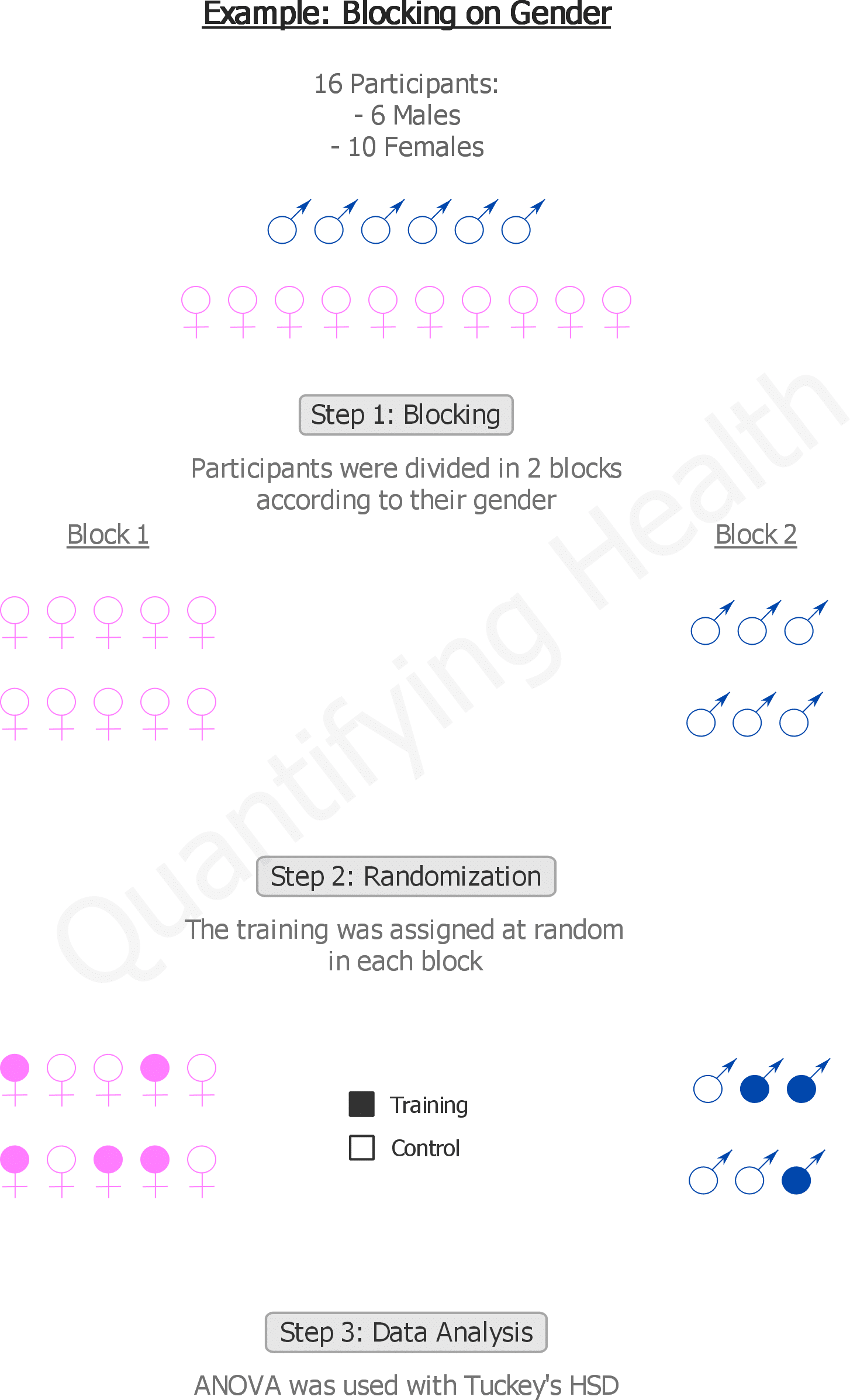
Blocking in Statistics: Definition & Example - Statology
Randomized Block Design: An Introduction – QUANTIFYING HEALTH

Chapter 1

Introduction to experiment design (video) | Khan Academy
Guide to Experimental Design | Overview, 5 steps & Examples

Designing Experiments - ppt download
To Distinguish between a completely randomized design and a randomized block

In each block there is either Each subject receives both treatments in a random order more commonly used vs or Each subject receives both treatments in a

In a matched pairs experiment a block is a pair so the randomization must be carried out within each pair Incorrect

3 You could take blocking to the extreme with a matched pairs design which is just blocking with all blocks having exactly 2 subjects

Blocking and Matched Pairs Randomized block design the random assignment of units to affect the to gender ignores differences between men women
In our previous example each subject in the experiment was only placed on one diet If instead we made one subject use the standard diet for 30 Matched Pair A Special case of randomized block design where an experiment only has two treatment conditions The participants are grouped together into pairs
Randomized Block Design which would make it difficult to detect a difference in the effects of Sometimes a pair in a matched pairs design