Checked Vs Unchecked Exceptions Difference Difference Between Checked And Unchecked Exception Learn Coding YouTube Difference Between Checked And Unchecked Exceptions In Java YouTube Difference Between Checked And Unchecked Exception In Java Java2blog How To Handle Checked Unchecked Exceptions In Java Rollbar Checked Unchecked Exception An unchecked exception is one that is not detected by the Java compiler These are exceptions that can occur at runtime but would be difficult or impossible to detect when compiling the code However in many cases they can easily be detected or prevented from within the program itself
Difference Between Checked and Unchecked Exceptions in Java Track Analyze and Manage Errors With Rollbar Checked Exceptions in Java In broad terms a checked exception also called a logical exception in Java is something that has gone wrong in your code and is potentially recoverable Exception handling is a fundamental aspect of robust Java programming and understanding the nuances between checked and unchecked exceptions is crucial for writing reliable and maintainable code
Checked Unchecked Exception Java Tutorial Difference Between Checked Exception And Unchecked Exception Difference Between Checked And Unchecked Exception Learn Coding Youtube Syntax2 Video 5 Checked Vs Unchecked Exceptions YouTube Checked Unchecked Exception What Is Difference Between Checked And Unchecked Exception Using Checked And Unchecked Exceptions In Java Difference Between Checked And Unchecked Exceptions In Java YouTube Difference Between Checked And Unchecked Exception Exception Handling
Checked Vs Unchecked Exceptions Difference
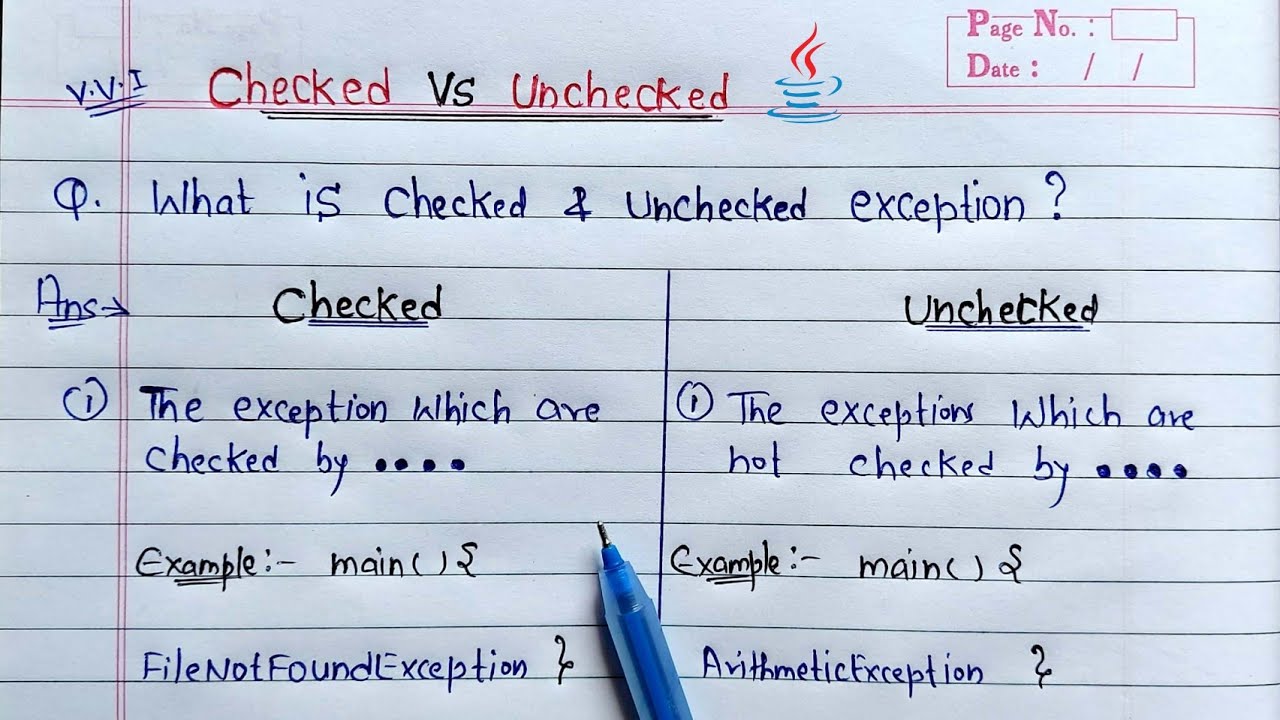 Checked Vs Unchecked Exceptions Difference
https://i.ytimg.com/vi/nY37l7NTiII/maxresdefault.jpg
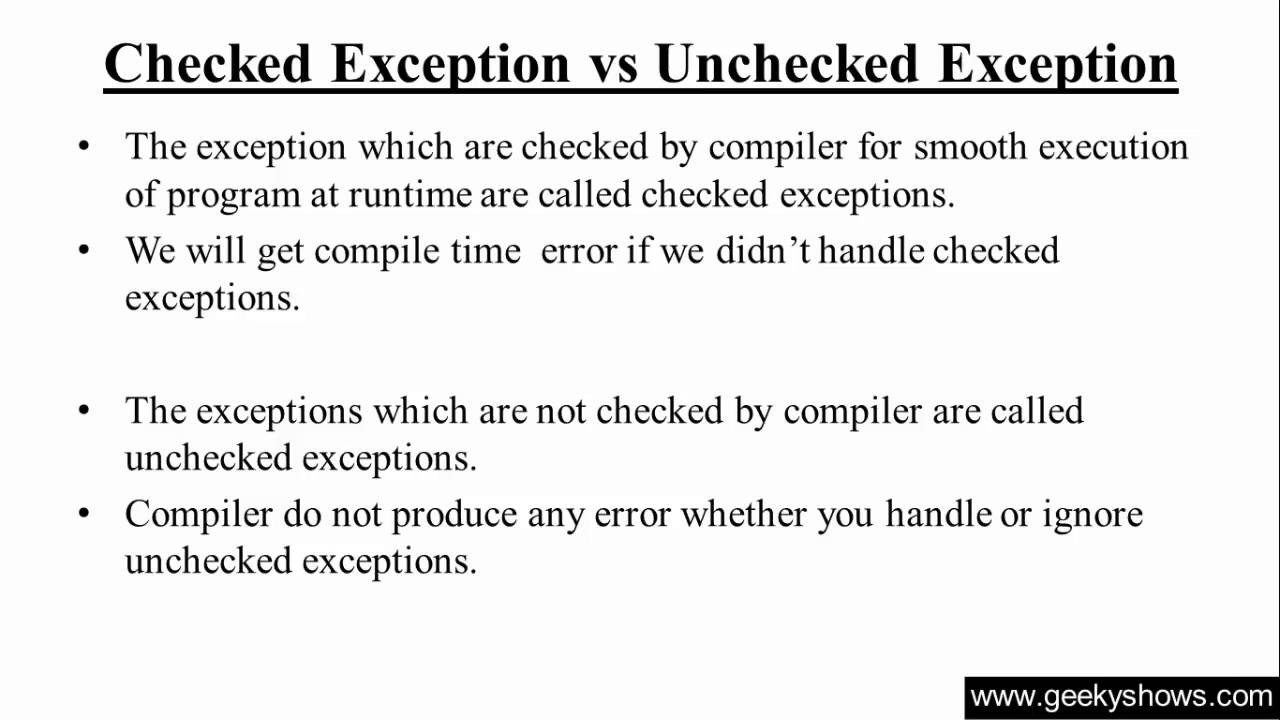
The differences between checked and unchecked exceptions are Checked exceptions must be explicitly caught or propagated as described in Basic try catch finally Exception Handling Unchecked exceptions do not have this requirement They don t have to be caught or declared thrown
Pre-crafted templates use a time-saving option for creating a varied series of documents and files. These pre-designed formats and layouts can be made use of for numerous personal and expert projects, including resumes, invites, leaflets, newsletters, reports, discussions, and more, simplifying the content creation process.
Checked Vs Unchecked Exceptions Difference

Difference Between Checked Exception And Unchecked Exception Checked

Java Tutorial Difference Between Checked Exception And Unchecked Exception
Difference Between Checked And Unchecked Exception Learn Coding Youtube
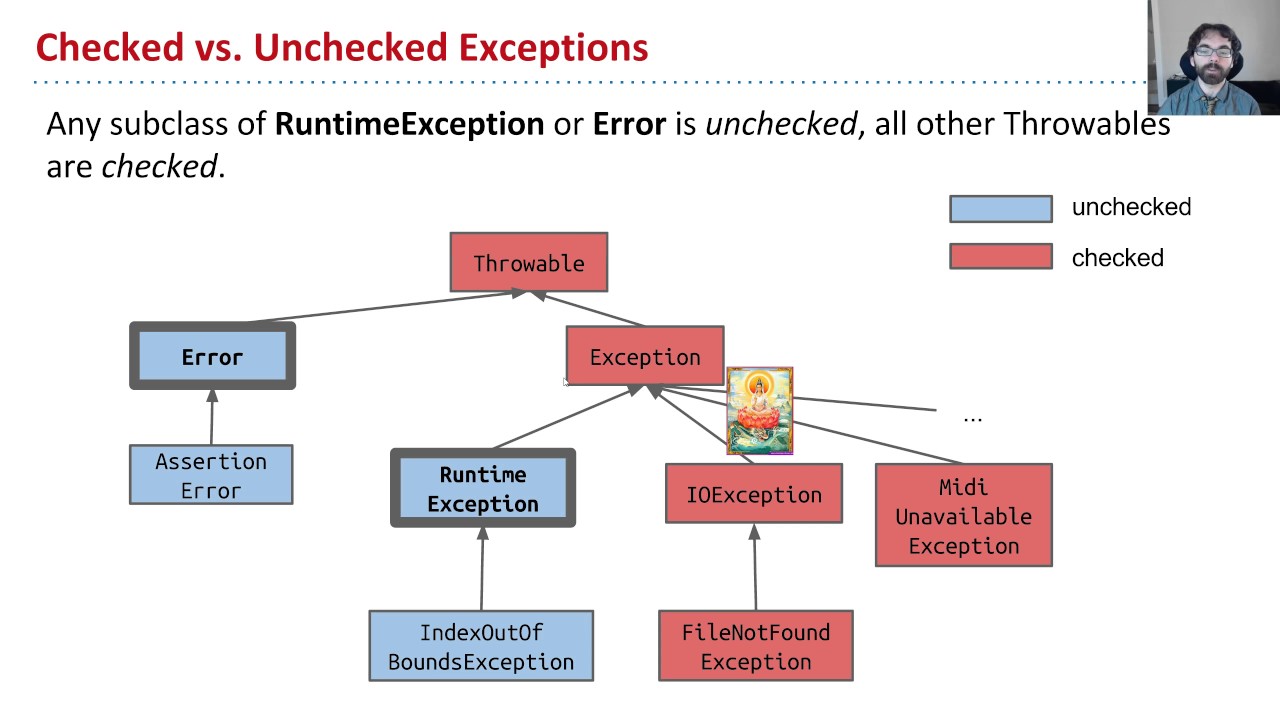
Syntax2 Video 5 Checked Vs Unchecked Exceptions YouTube

What Is Difference Between Checked And Unchecked Exception Using
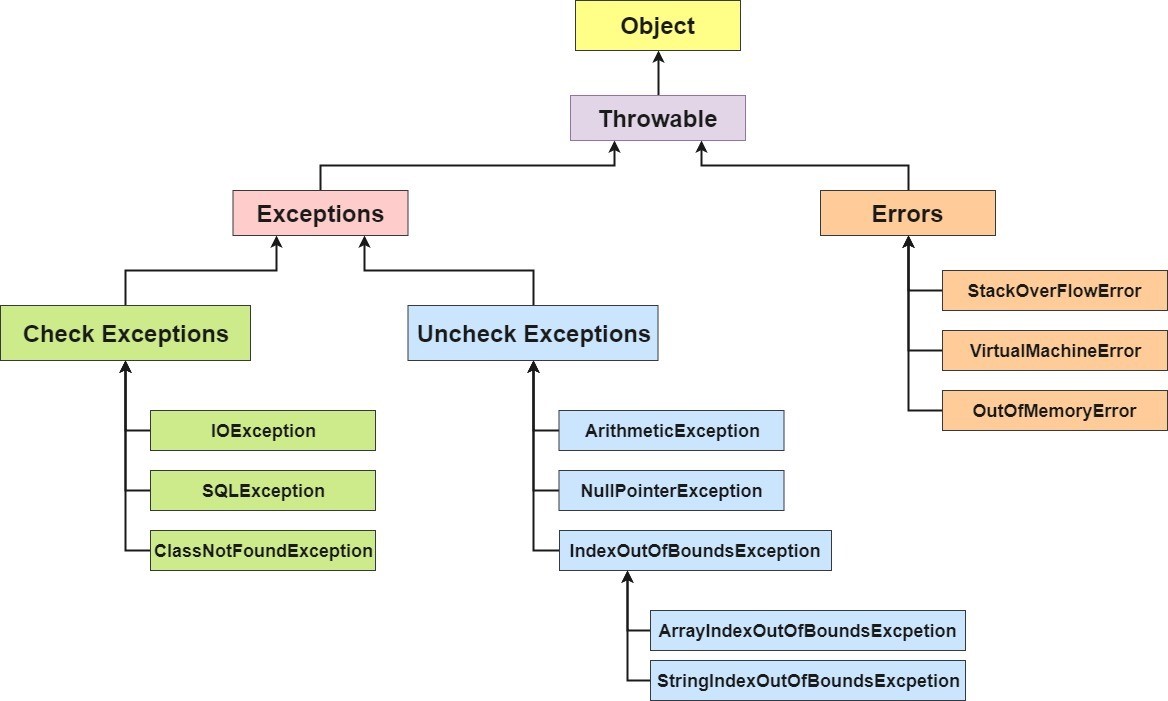
Checked And Unchecked Exceptions In Java

Difference Between Checked and Unchecked Exceptions in Java In Java programming for every occurrence of an exception there generates an exception object which holds all the details of the exception Then the program searches for its respective exception handler If found the exception is handled or resolved or else the program execution stops

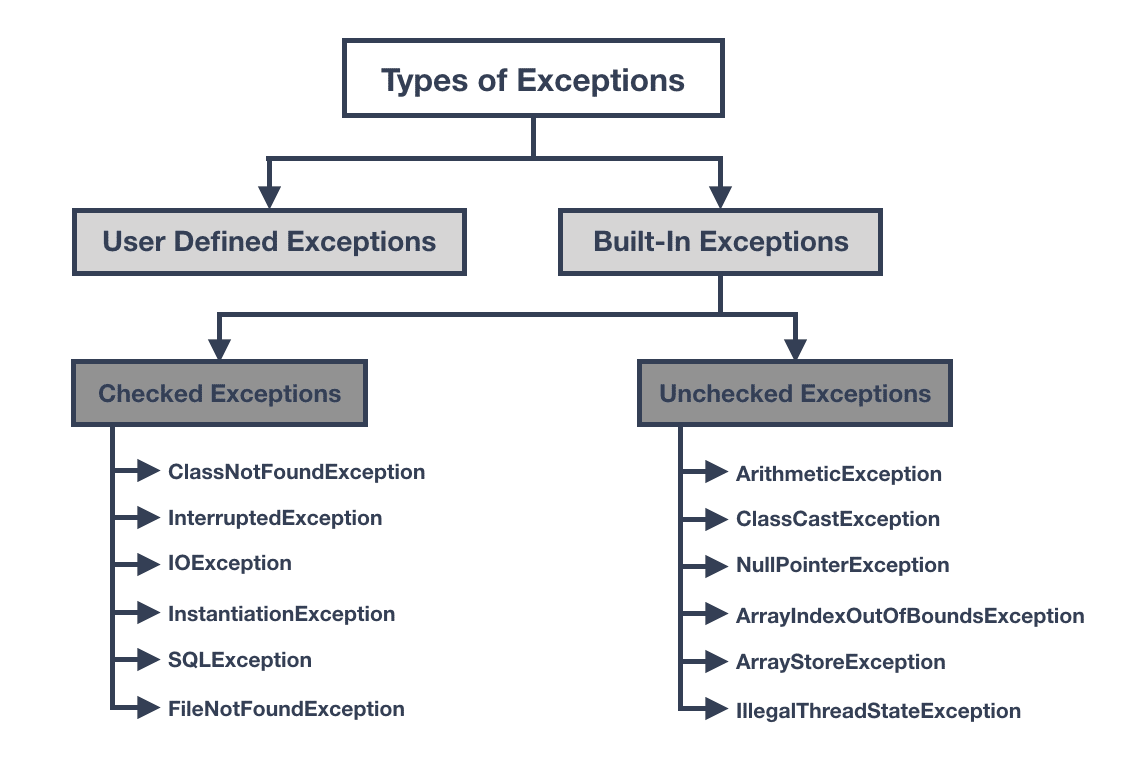
1 Overview Java exceptions fall into two main categories checked exceptions and unchecked exceptions In this tutorial we ll provide some code samples on how to use them 2 Checked Exceptions In general checked exceptions represent errors outside the control of the program
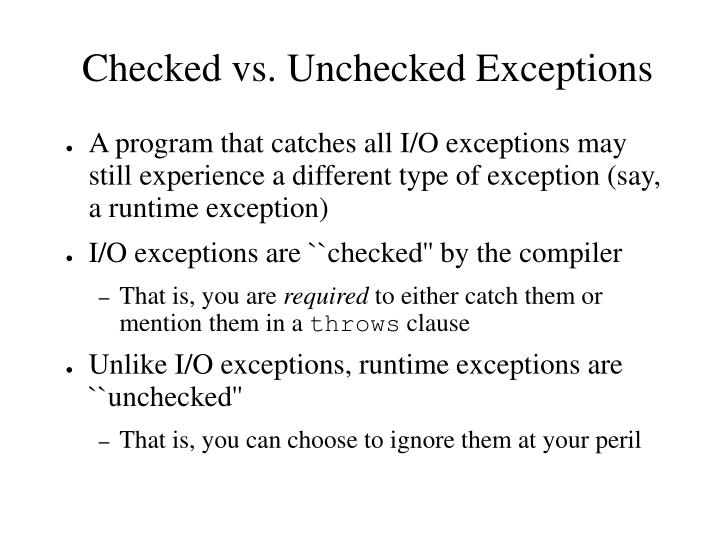
Checked Exception If client can recover from an exception and would like to continue use checked exception Unchecked Exception If a client can t do any thing after the exception then raise unchecked exception Example If you are expected to do arithmetic operation in a method A and based on the output from A you have to another
An exception is an unexpected event that occurred during the execution of a program and disrupts the normal flow of instructions In Java all errors and exceptions are of type with Throwable class When an error occurs within a method the method creates an object or any subtype of Throwable and hands it off to the runtime system
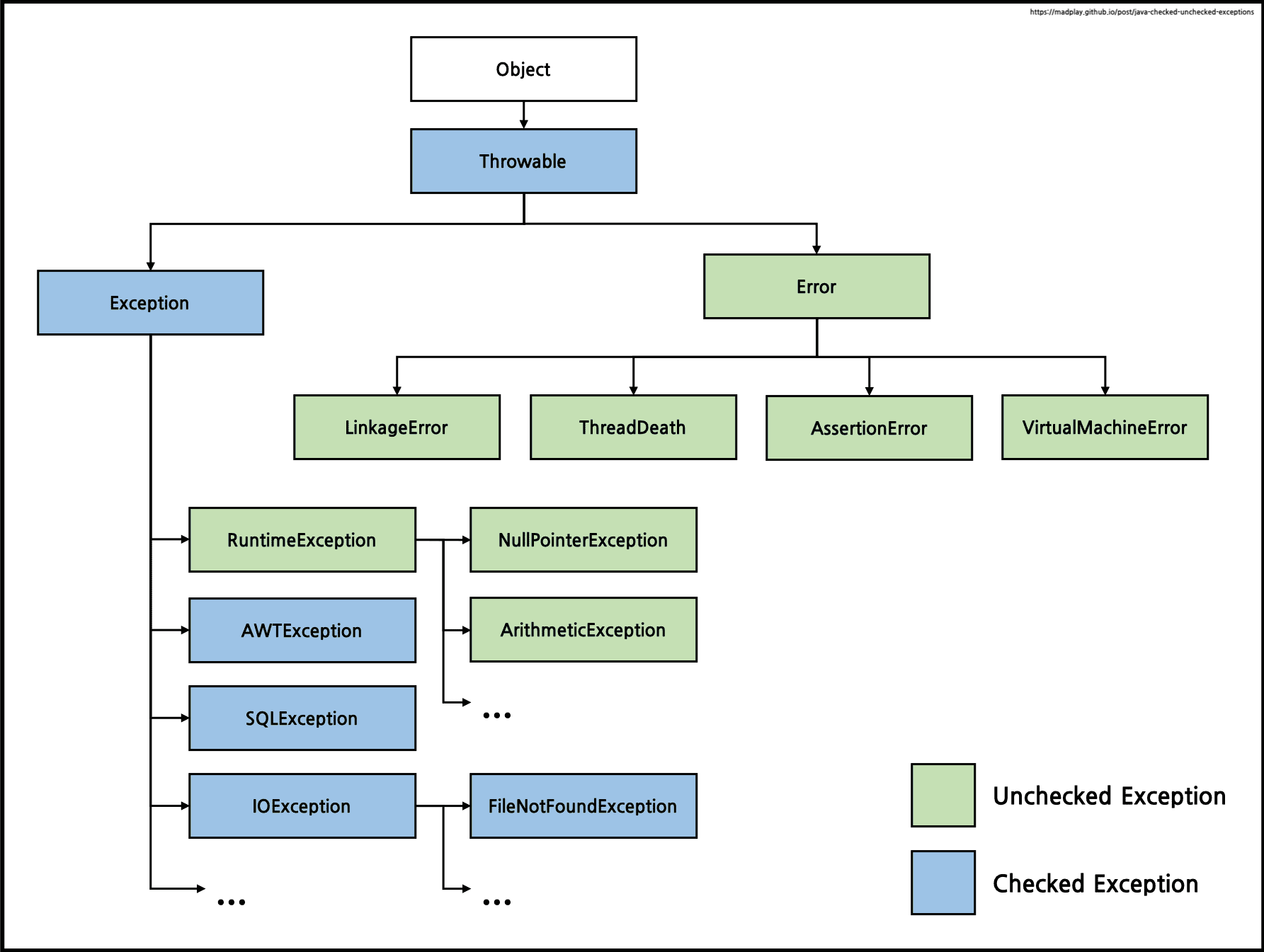
In contrast to a checked exception an unchecked exception represents an error in programming logic not an erroneous situation that might reasonably occur during the proper use of an API Because the compiler can t anticipate logical errors that arise only at runtime it can t check for these types of problems at compile time
KEY INSIGHTS Checked exceptions in Java require explicit handling enhancing code safety and predictability Handling unchecked exceptions is optional but beneficial for application stability Best practices include specificity in catch blocks and avoiding empty catches for maintainability Understanding the balance between checked and unchecked exceptions is crucial for resilient Java code A checked exception is an exception that should be reported in the method in which it is thrown What is an Unchecked Exception An exception that occurs at the runtime or at the time of execution is known as an unchecked exception Differences between Checked and Unchecked Exceptions in Java
Difference Between Checked and Unchecked Exception in Java Java Server Side Programming Programming In this post we will understand the difference between checked and unchecked exceptions in Java Checked Exceptions They occur at compile time The compiler checks for a checked exception These exceptions can be handled at the compilation time