Bioretention Technical Design Guidelines Bioretention Media FAWB WSUD Compliant Material River Sands Bioretention System REALMstudios Bioretention InfoDrainage Help Documentation Innovyze Resource Center Bioretention Media FAWB WSUD Compliant Material River Sands Bioretention Area Bioswale In Lawn Area Bright Color Schemes Bioretention Design Considerations Cells designed for bioretention can manage the stormwater runoff from large areas of impervious surface Site and design bioretention cells with sensitivity and consideration for local context and the performance needs of each project within the stormwater network
For information on detailed stormwater practice design guidelines including bioretention grass swales and vegetated filter strips State of North Carolina Stormwater Page For information on stormwater issues technical and nontechnical from across North Carolina including related news upcoming workshops and educational public service This manual provides design guidelines and a numerical model RECARGA that can be used for creating bioretention facilities rain gardens for small scale stormwater management that promotes infiltration of storm water in order to reduce its volume improve its quality and increase groundwater recharge This manual is based on the RECARGA
Bioretention Area Bioswale In Lawn Area Bright Color Schemes Bioretention Media FAWB WSUD Compliant Material River Sands Guideline Specifications For Soil Media In Bioretention Systems PDF Design Guidelines For Stormwater Bioretention Facilities Bioretention Design Bioretention Media FAWB WSUD Compliant Material River Sands BIORETENTION FACILITY Doc Template PdfFiller Bioretention Basins Raingarden And Swales Planting Blacktown City Curved Architerra Designs
Bioretention Technical Design Guidelines
 Bioretention Technical Design Guidelines
https://www.riversands.com.au/wp-content/uploads/2020/09/Bloomer-Constructions-Bioretenion.jpg
Abstract This paper reviews the evolution of bioretention systems a promising at source storm water best management practice The introduction of bioretention systems in the 1990s by Prince George s County Md is examined along with the motivations behind the development of the systems
Pre-crafted templates use a time-saving option for creating a varied range of documents and files. These pre-designed formats and designs can be used for numerous individual and professional projects, including resumes, invites, flyers, newsletters, reports, discussions, and more, enhancing the material development procedure.
Bioretention Technical Design Guidelines

Bioretention Plants Water By Design Foxtail Grass Lomandra Design

Bioretention Media FAWB WSUD Compliant Material River Sands

Guideline Specifications For Soil Media In Bioretention Systems

PDF Design Guidelines For Stormwater Bioretention Facilities
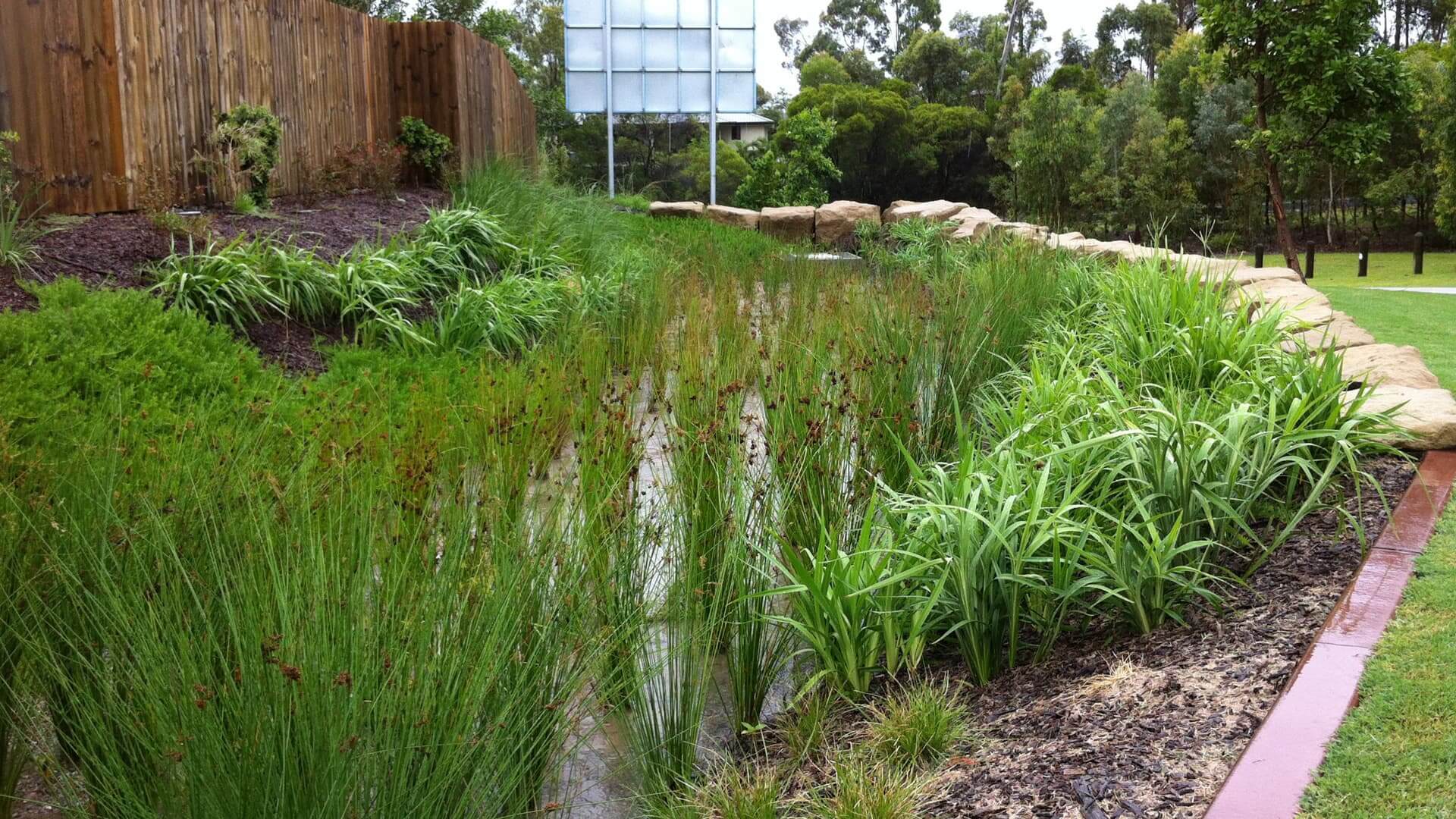
Bioretention Media FAWB WSUD Compliant Material River Sands

BIORETENTION FACILITY Doc Template PdfFiller

Water by Design 2014 Bioretention Technical Design Guidelines Version 1 1 Healthy Waterways Ltd Brisbane Healthy Waterways Ltd 2014 011 This document is available for download from www waterbydesign au Disclaimer The material contained in this publication is produced for general information only It is not

Bioretention Technical Design Guidelines Version 1 1 Figure 25 Bioretention width limitations Figure 26 Layout of large bioretention systems Figure 27 Bioretention inflow and outflow locations Figure 28 Batter design and guidance Figure 29 Bioretention system edge design on steep slope Figure 30 Embankment width requirements

The designs of bioretention practices mimic volume reduction and pollutant removal mechanisms that work in natural systems The filtered stormwater soaks into the ground provides water to plants and can help recharge the local groundwater supply

Optimal surface ponding depth is 6 in when k 1 in hr and 12 in when k 5 in hr depth can vary by site and the designer can modify the design for specific criteria and still have an effective bioretention basin A minimum freeboard of 1 in is provided for offline facilities and minimum 12 in for inline facilities

Siting and Design considerations Bioretention practices should be placed adjacent to and downslope of impervious surfaces In roadway settings this is often in trafic medians and outside of the roadway edge Consideration should be made for placement over underground utilities
Bioretention Illustrated A Visual Guide for Constructing Inspecting Maintaining and Verifying the Practice 5 Section 1 Basics of Bioretention What it Does and How it Works Bioretention is a stormwater management practice that can achieve both water quantity and water quality goals through runoff reduction and pollutant removal Pollutant The Bioretention Design Handbook the handbook compiles the current state of knowledge from a combination of literature interviews and site visits with leading municipalities and practitioners across the United States to document approaches for bioretention design construction inspection and operation and maintenance O M
The purpose of this manual is to provide design guidelines and present a numerical model that can be used for designing bioretention facilities to meet a specified objective such as maintaining recharge volumes The following sections discuss design objectives introduce the components of a bioretention facility and detail how these compo