Begin Verb 2 Begun Began Vs Begun Template 04 Begin Began Begun Contoh Kalimat Penggunaan Dan Perbedaannya Past Tense Of BEGIN In English English Grammar Lesson Begin Verb Forms Past Tense Past Participle V1V2V3 Begun Vs Began Which One Should You Use Find Out Now ESLBUZZ In English the verb to begin is irregular Here is the full conjugation of begin in the past tense present tense and future tense Grammar Monster GM Free Grammar
To make to like to tell to drive to begin conjugation English verbs conjugated in all tenses with the bab la verb conjugator Begin begins began begun beginning Synonyms start initiate commence inaugurate launch Antonyms end finish conclude terminate complete The verb
Begun Vs Began Which One Should You Use Find Out Now ESLBUZZ Began Vs Begun How To Use Each Correctly EnhanceMyWriting Simple Past Begin Begin Past Tense And Past Participle In English Pin On Manal Worksheet Begin Past Tense EngDic Se or Jordan s Spanish Videos Blog Archive 01 Present Tense AR Began Versus Begun Has Just Began Or Has Just Begun Past Tense Vs Begin Began Begun Irregular Verbs Verb Begin Irregular Verbs
Begin Verb 2 Begun
 Begin Verb 2 Begun
https://d1xuqjt1wg0fxw.cloudfront.net/87e8a120-96cb-11ec-a2ba-81201a358ac2.jpg
Conjugate the verb begin in all tenses present past participle present perfect gerund etc
Pre-crafted templates provide a time-saving option for developing a varied variety of files and files. These pre-designed formats and layouts can be made use of for various individual and professional projects, consisting of resumes, invitations, flyers, newsletters, reports, discussions, and more, streamlining the material development process.
Begin Verb 2 Begun
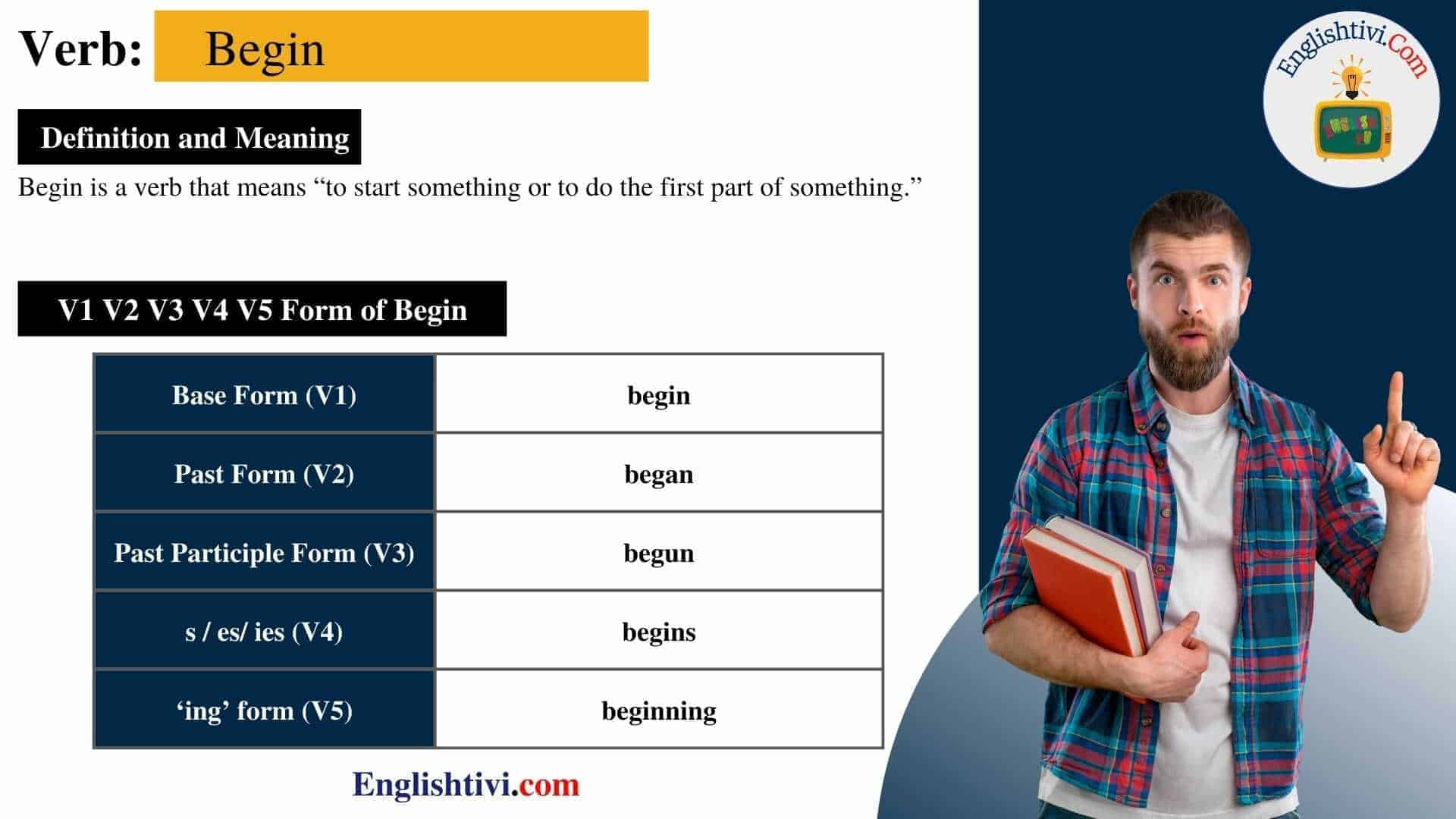
Begin V1 V2 V3 V4 V5 Base Form Past Simple Past Participle Form Of

Began Vs Begun How To Use Each Correctly EnhanceMyWriting
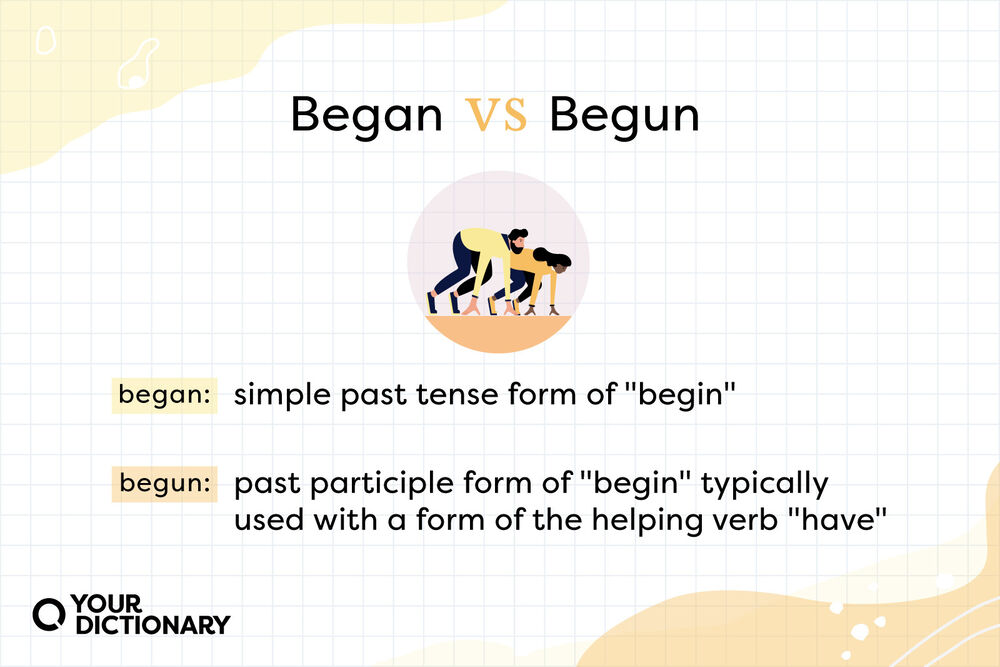
Simple Past Begin Begin Past Tense And Past Participle In English

Pin On Manal Worksheet
Se or Jordan s Spanish Videos Blog Archive 01 Present Tense AR
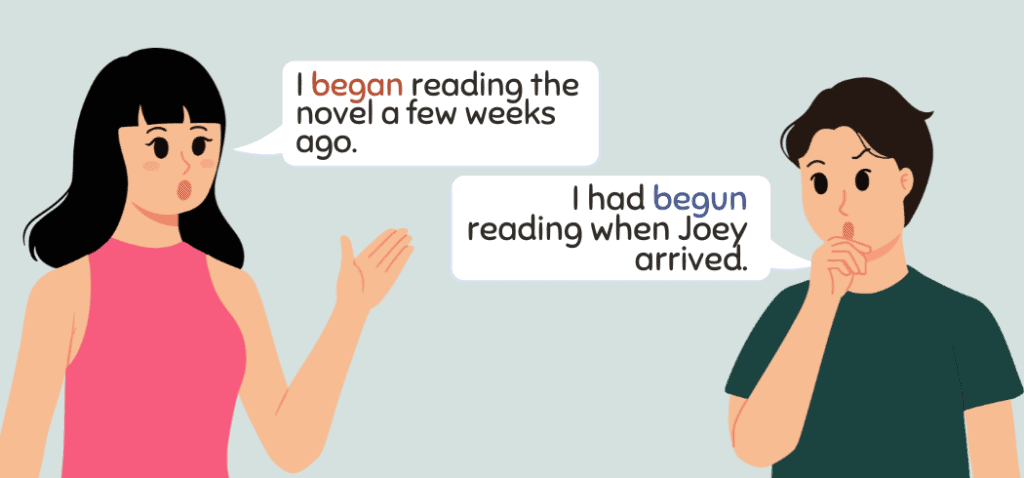
Began Versus Begun Has Just Began Or Has Just Begun Past Tense Vs

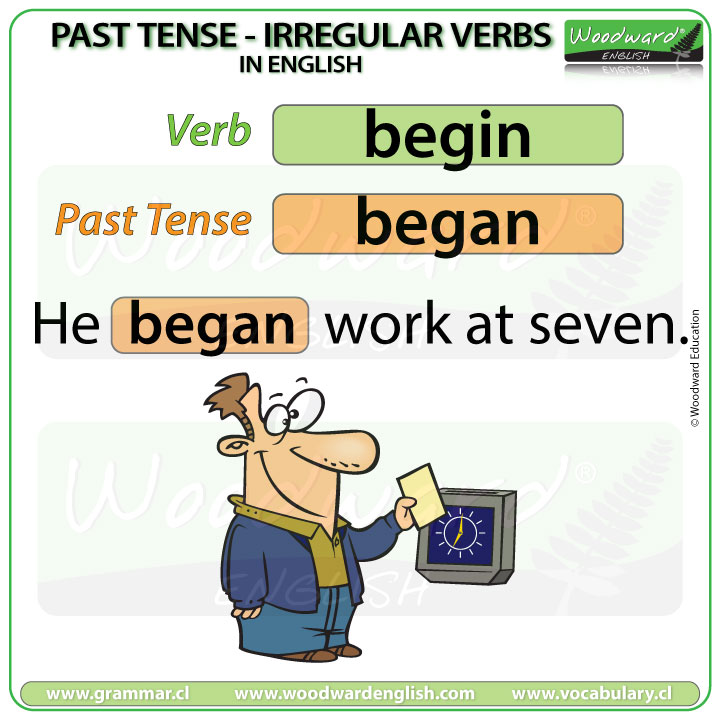
Begin V1 Base Form Infinitive Begin V2 Simple Past Tense Began V3 Past Participle Begun V4 3rd Person Singular Begins V5 Present Participle Gerund

Sentences with begun past participle Origin of the word verb begin Synonyms of begin Phrases idioms with begin Other commonly confused verb tenses Sources
Sing model verb Change i to a in the to begin beginning begun definition in Spanish in French will have begun you will have begun he she it will have

Conjugate the English verb begin indicative past tense participle present perfect gerund conjugation models and irregular verbs Translate begin in context with examples of

Grammar Usage Commonly Confused What is the difference between began and begun Began is the simple past tense of the verb begin He began eating five
Began is the simple past tense form of begin and is used to describe a completed action in the past For example the concert began at 7 PM sharp Begun is the past participle English To Begin Infinitive to begin Gerund beginning Past participle begun Simple past began Irregular forms Auxilliary verb Spelling change Use contractions
These two verb forms are similar because they come from the verb begin However they have distinct uses and if applied incorrectly they can affect proper communication In