Affinity Vs Anti Affinity VMware VCenter Server 6 Adds Some Cloud Features Kubernetes Affinity And Anti Affinity Vs NodeSelector Examples YouTube Use Affinity And Anti affinity Rules To Guide VM Behavior TechTarget Anti affinity CloudXC Squier Affinity Vs Classic Vibe Electric Guitars Pro Sound HQ Kubernetes Node Affinity is successor of nodeSelector Node affinity rules are used to influence which node a pod is scheduled to In the earlier K8s versions the node affinity mechanism was implemented through the nodeSelector field in the pod specification The node had to include all the labels specified in that field to become eligible for
Jul 31 Kubernetes uses various strategies to help determine how it schedules pods to nodes These strategies include concepts like Node Affinity and Pod Affinity This article will provide a An example of Kubernetes pod scheduling using Pod Affinity An anti affinity rule tells the scheduler not to place the new pod on the same node if the label on the new pod matches the label on another pod Anti affinity allows you to keep pods away from each other Anti affinity is useful in cases such as avoiding placing a pod that will
Squier Affinity Vs Classic Vibe Electric Guitars Pro Sound HQ Simple Way To Create Anti affinity Rule NuttyCloud SQUIER AFFINITY Vs DONNER Cheap Stratocaster Comparison YouTube Kubernetes Node Affinity Examples Instructions Affinity Vs Avidity Technology Networks Kubernetes Node Affinity Examples Instructions Anti Affinity FUJITSU Hybrid IT Service FJcloud O 78 VSphere DRS VM Affinity And Anti Affinity Rules YouTube Kubernetes Affinity Anti Affinity YouTube
Affinity Vs Anti Affinity
 Affinity Vs Anti Affinity
http://vinfrastructure.it/wp-content/uploads/2015/01/Anti-Affinity.png
Anti affinity is used to insure that two Pods do NOT run together on the same node Let s add another pod Open myboot pod antiaffinity yaml and focus on the following part If you re running this from within VSCode you can use CTRL p or CMD p on Mac OSX to quickly open myboot pod antiaffinity yaml
Templates are pre-designed files or files that can be utilized for numerous purposes. They can save effort and time by providing a ready-made format and design for developing various kinds of material. Templates can be used for personal or professional projects, such as resumes, invites, leaflets, newsletters, reports, discussions, and more.
Affinity Vs Anti Affinity

PPT 2 Basic Immunologic Procedures PowerPoint Presentation Free

Simple Way To Create Anti affinity Rule NuttyCloud

SQUIER AFFINITY Vs DONNER Cheap Stratocaster Comparison YouTube
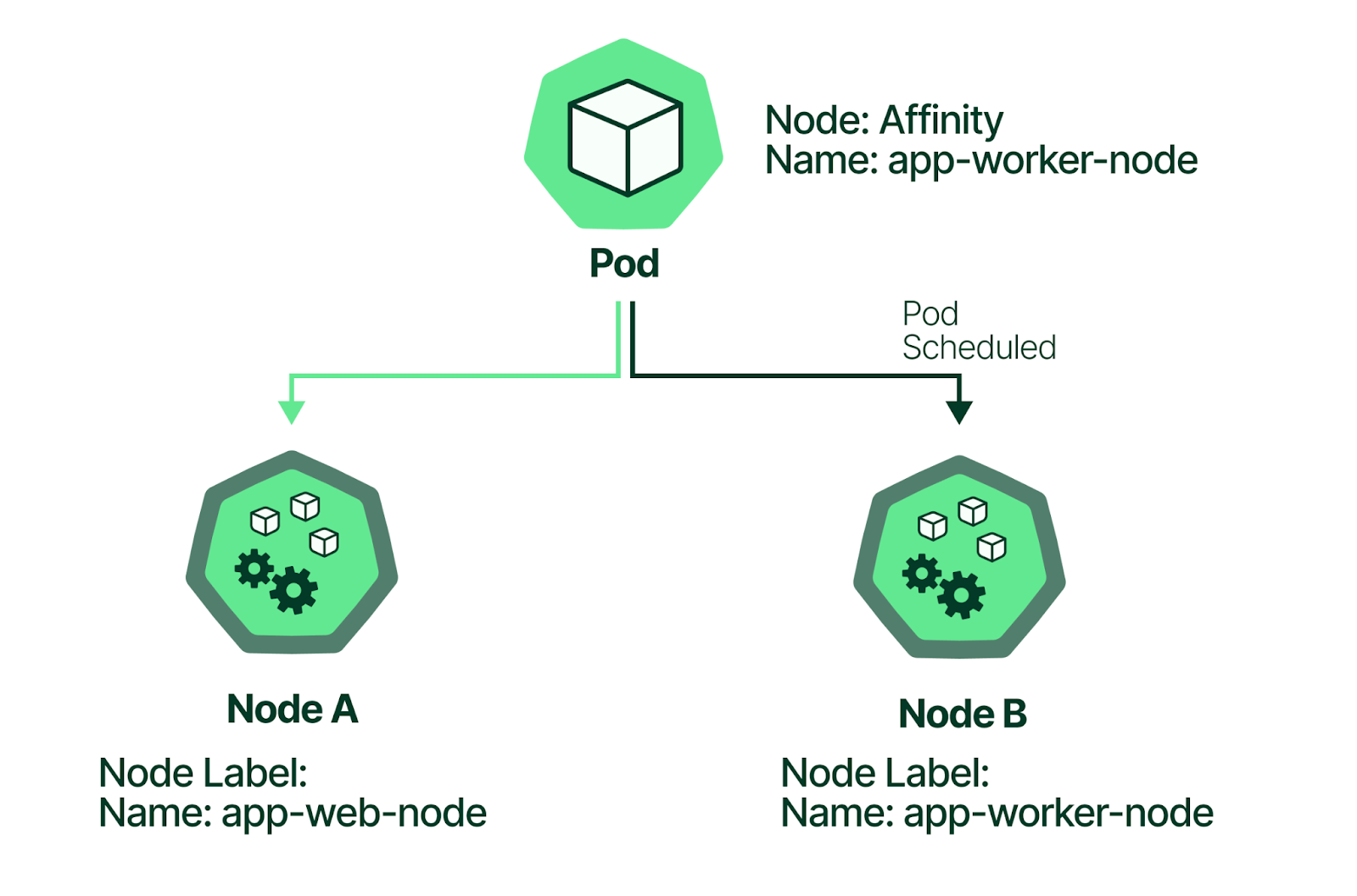
Kubernetes Node Affinity Examples Instructions
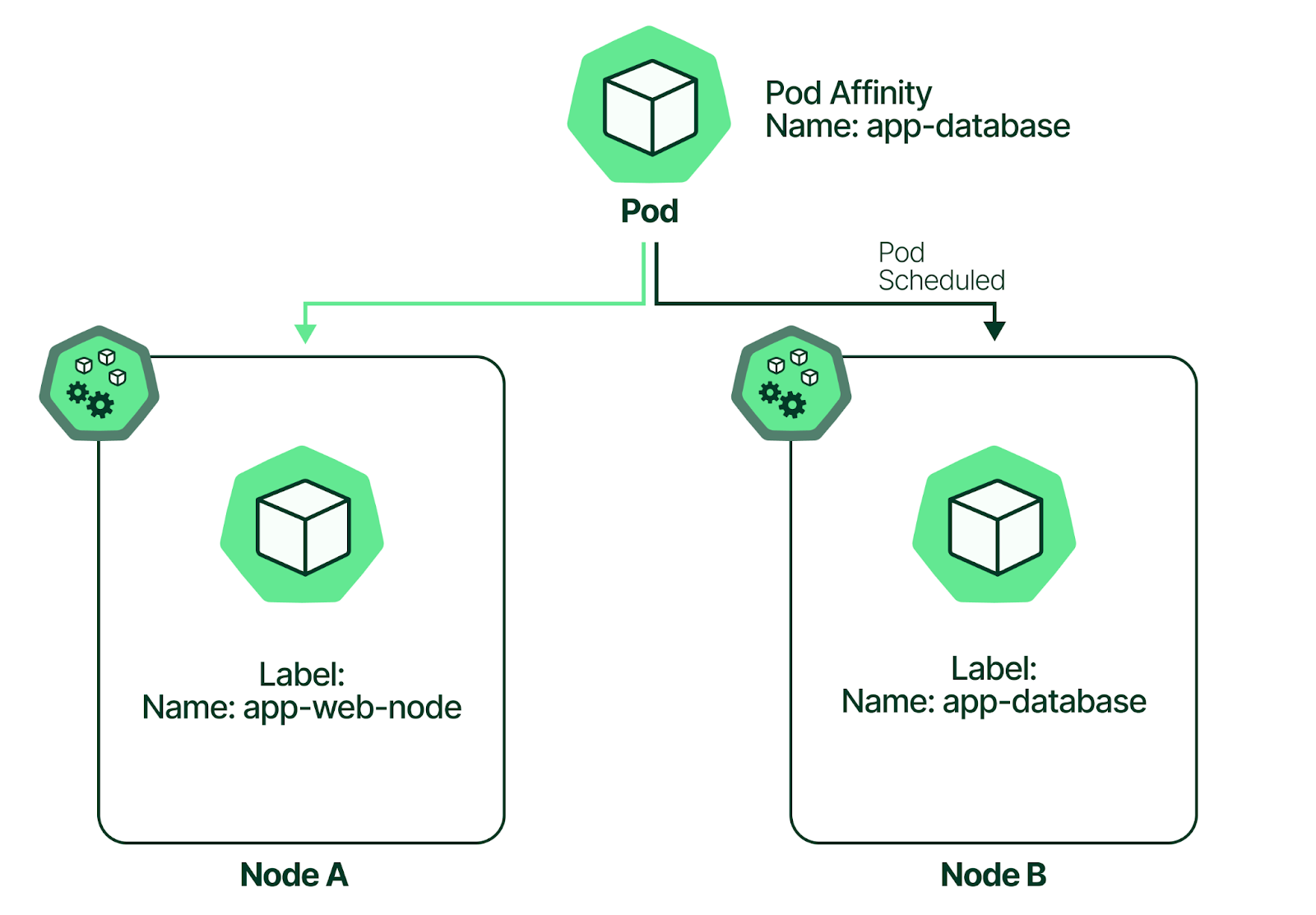
Kubernetes Node Affinity Examples Instructions

Anti Affinity FUJITSU Hybrid IT Service FJcloud O

Affinity and anti affinity nodeName field Pod topology spread constraints Node labels Like many other Kubernetes objects nodes have labels You can attach labels manually Kubernetes also populates a standard set of labels on all nodes in a cluster Note The value of these labels is cloud provider specific and is not guaranteed to be reliable

Pod affinity and pod anti affinity allow you to specify rules about how pods should be placed relative to other pods The rules are defined using custom labels on nodes and label selectors specified in pods Pod affinity anti affinity allows a pod to specify an affinity or anti affinity towards a group of pods it can be placed with The node does not have control over the placement

In this post we discuss how taints and tolerations node affinity and pod affinity anti affinity work and can be used to instruct the Kubernetes scheduler to place pods on nodes that fulfill their special needs
Objective We are going to deploy three microservices MySQL Redis and a Python Flask web app in a four node Kubernetes cluster Since one of the nodes is attached to SSD disk we want to ensure that the MySQL Pod is scheduled on the same node Redis is used to cache the database queries to accelerate application performance

The affinity and anti affinity features in Kubernetes provide administrators with more granular scheduling functionality With affinity and anti affinity administrators can Define rules including conditions with logical operators Create preferred and required rules for a greater variety of matching conditions
Affinity and anti affinity explained By Scott D Lowe August 1 2013 In vSphere the Distributed Resource Scheduler is a great service to use to automate vSphere s ability to balance workloads in ways that make sense from a resource perspective The soft anti affinity has a special configuration setting called weight which is added to the scheduler calculation controlling the likelihood distributing the pods across different nodes 1 is the lowest value and 100 the highest When you want a higher chance of distributing the pods across different nodes with the soft anti affinity use the
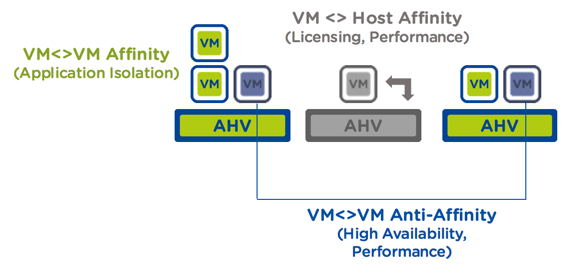
Affinity is a rule you would set up that establishes a relationship between two or more roles i e virtual machines resource groups and so on to keep them together AntiAffinity is the same but is used to try to keep the specified roles apart from each other Failover Clusters use AntiAffinity for its roles