4 Principles Of Object Oriented Programming Object Oriented Programming Simple Explanation And All You Need To OOP Principles 4 Principles Of Object Oriented Programming 4 Principles Of Object Oriented Programming Khalil Stemmler 10 Object Oriented OOP Design Principles Java Programmers Should Know The 7 Principles Of Object Oriented Programming Harold Serrano Game There are four primary principles of object oriented programming including encapsulation abstraction inheritance and polymorphism
Object oriented programming is a programming paradigm where everything is represented as an object Objects pass messages to each other Each object decides what to do with a received message OOP focuses on each object s states and behaviors What Are Objects An object is an entity that has states and behaviors Object oriented programming Object oriented programming OOP is a programming paradigm fundamental to many programming languages including Java and C In this article we ll provide an overview of the basic concepts of OOP We ll describe three main concepts classes and instances inheritance and encapsulation
The 7 Principles Of Object Oriented Programming Harold Serrano Game Object Oriented Programming 101 Understanding Basic Concepts Object Oriented Programming Credly Top Characteristics Of Object Oriented Programming InterviewBit Object oriented Programming OOP Object Oriented Programming Tech Fry 4 Nguy n T c C B n Trong L p Tr nh H ng i T ng OOP H c Ngay Introduction To Object Oriented Programming Polymorphism Object Oriented Programming OOP MYCPLUS
4 Principles Of Object Oriented Programming
 4 Principles Of Object Oriented Programming
https://buggyprogrammer.com/wp-content/uploads/2022/05/Add-a-subheading-5-768x768.png
Definition of OOP Concepts in Java The main ideas behind Java s Object Oriented Programming OOP concepts include abstraction encapsulation inheritance and polymorphism Basically Java OOP concepts let us create working methods and variables then re use all or part of them without compromising security
Templates are pre-designed files or files that can be utilized for various functions. They can save time and effort by supplying a ready-made format and design for creating different type of material. Templates can be utilized for personal or expert jobs, such as resumes, invitations, flyers, newsletters, reports, presentations, and more.
4 Principles Of Object Oriented Programming

Object Oriented Programming Principles And Best Practices
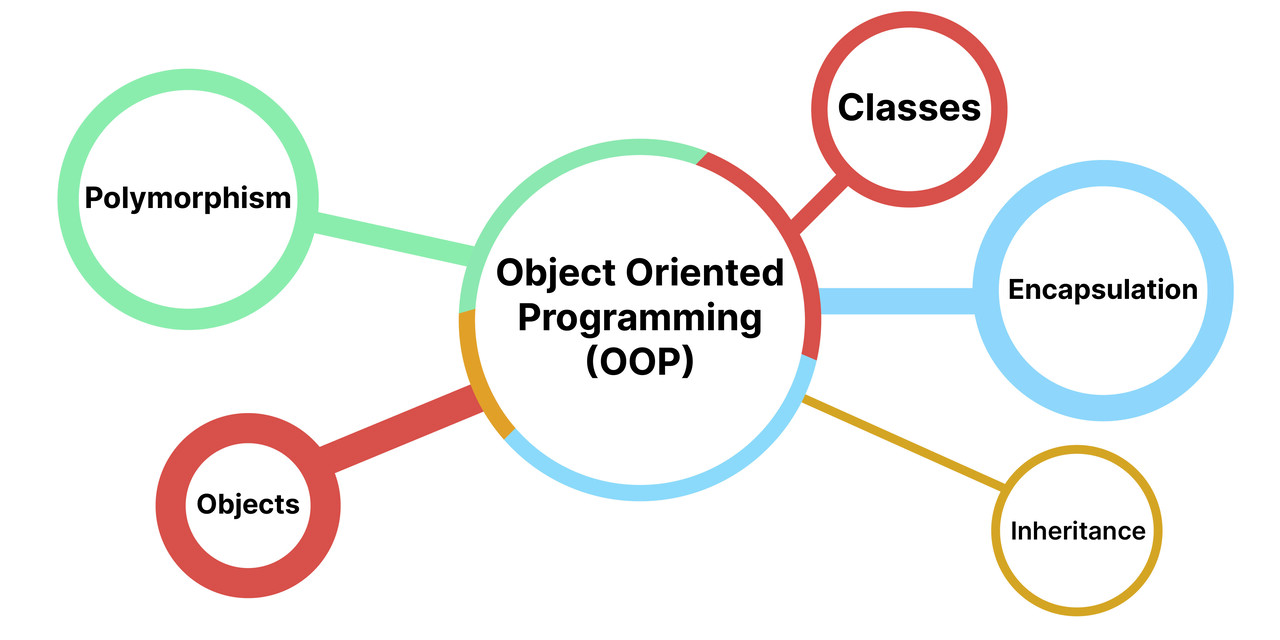
Object Oriented Programming 101 Understanding Basic Concepts

Object Oriented Programming Credly
Top Characteristics Of Object Oriented Programming InterviewBit
Object Oriented Programming Tech Fry
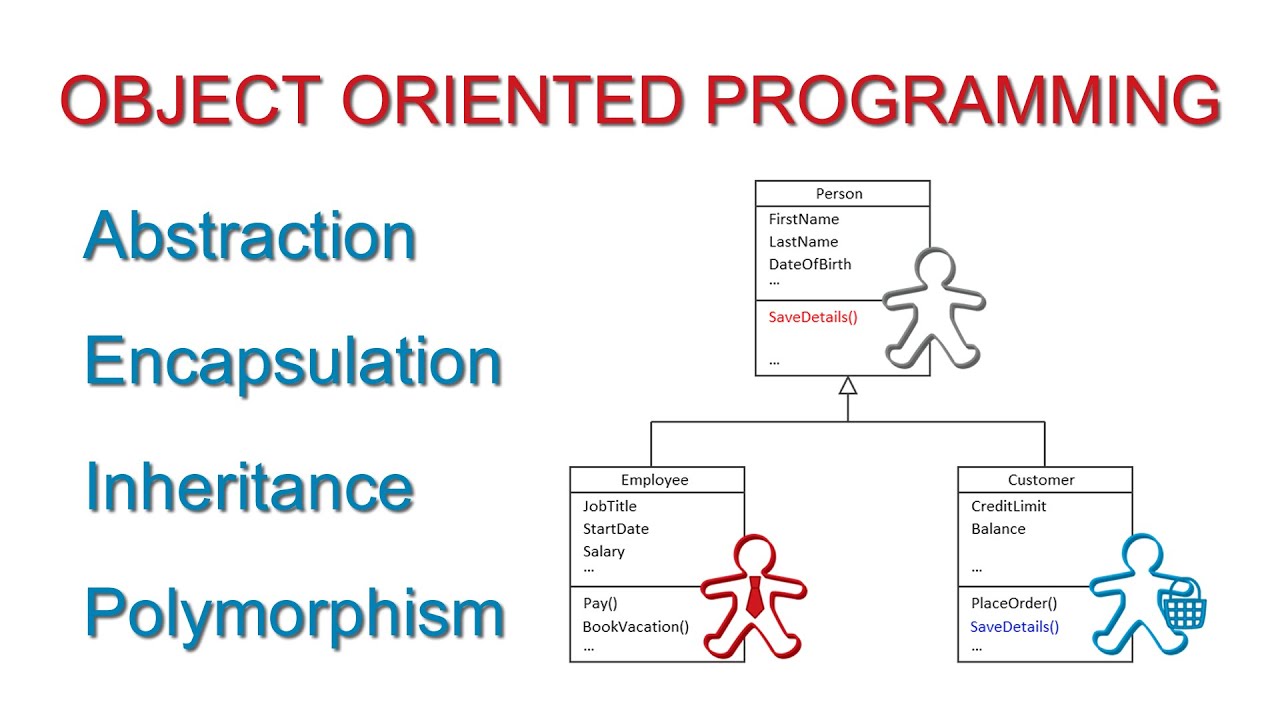
4 Nguy n T c C B n Trong L p Tr nh H ng i T ng OOP H c Ngay
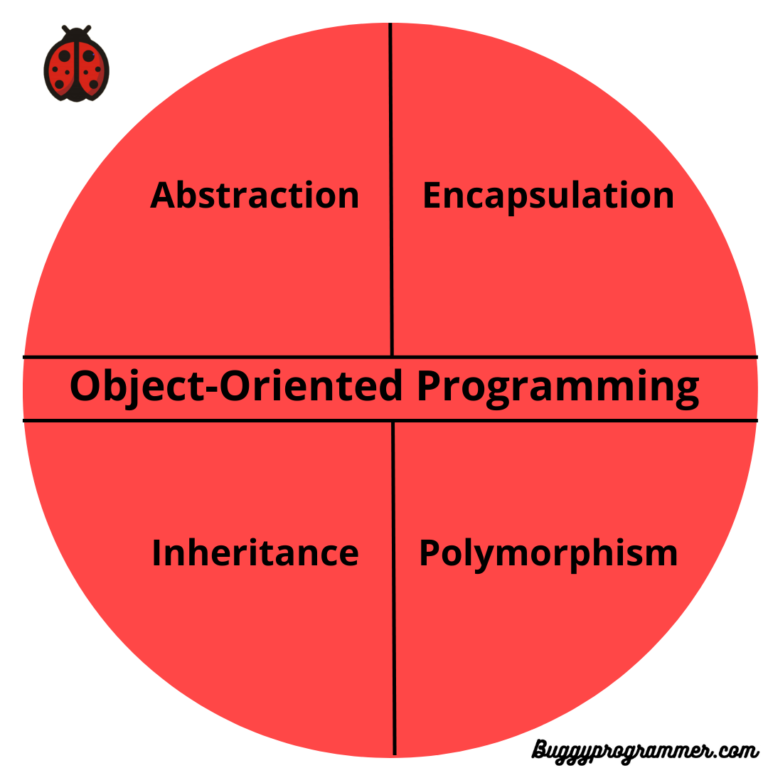
The four principles of object oriented programming abstraction inheritance encapsulation and polymorphism are features that if used properly can help us write more testable flexible and maintainable code abstraction encapsulation inheritance polymorphism oop
Four principles of OOP What to learn next What is Object Oriented Programming Object Oriented Programming OOP is a programming paradigm in computer science that relies on the concept of classes and objects
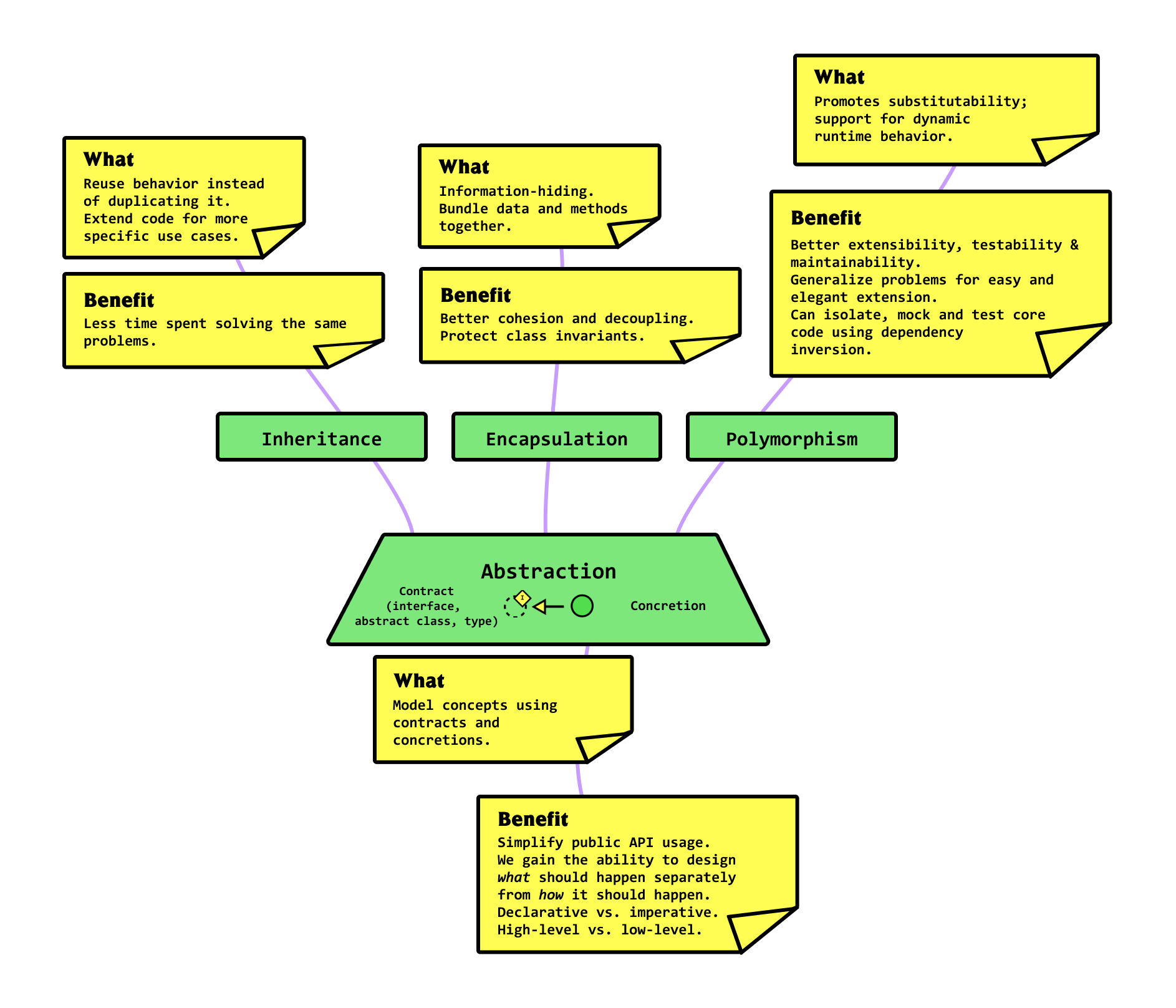
The four basic principles of object oriented programming are Abstraction Modeling the relevant attributes and interactions of entities as classes to define an abstract representation of a system Encapsulation Hiding the internal state and functionality of an object and only allowing access through a public set of functions
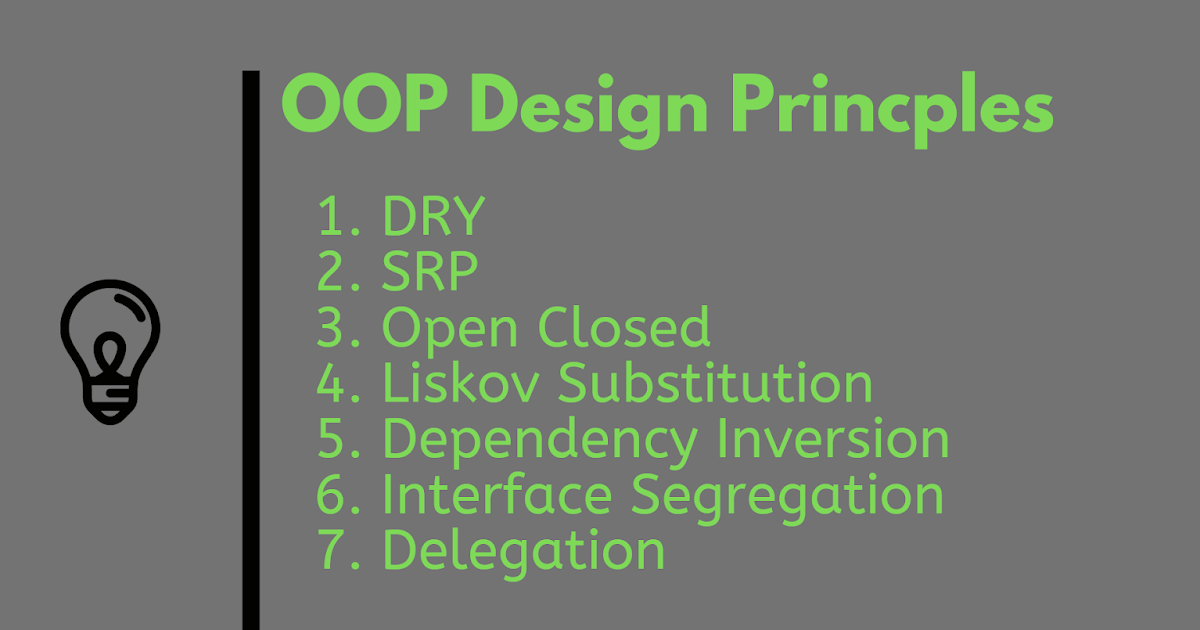
4 Basic OOP Principles In addition to the four basic parts object oriented programming has four fundamental concepts These are what primarily make OOP stand out and developers rely on these when making the most effective and reusable OOP code These next four sections cover the four principles of OOP giving you an overview of the roles
Programming paradigms Action Array oriented Automata based Concurrent computing Actor based Choreographic programming Multitier programming Relativistic programming Structured concurrency Data driven Data oriented Declarative contrast Imperative Functional Functional logic Purely functional Logic Abductive logic Answer set Concurrent logic
There are four main principles of object oriented programming These are Encapsulation abstraction inheritance and polymorphism Let us learn them in detail 1 Encapsulation in Object Oriented Programming Encapsulation is one of the most essential principles of object oriented programming Introduction of Object Oriented Programming Read Courses Practice As the name suggests Object Oriented Programming or OOPs refers to languages that use objects in programming Object oriented programming aims to implement real world entities like inheritance hiding polymorphism etc in programming
There are four main and three secondary principles of object oriented Java programming Let s take a look at what they are and why they re useful You can also download or clone the code examples below from this GitHub repo 1 Abstraction Abstraction aims to hide complexity from users and show them only relevant information