What Is Semantic Encoding Encoding Intro To Psychology YouTube Semantic Encoding Memory Task SEMT Was Created To Assess Deficit In Acoustic Encoding 10 Examples Definition 2023 Definition Of Encoding In Psychology Fteelite Encoding The Peak Performance Center Semantic encoding engages deeper processing than visual or acoustic encoding and is subsequently linked to better recall Because it uses a different level of processing semantic encoding ingrains information more in the brain and allows it to be remembered more accurately and easily
Memories give an organism the capability to learn and adapt from previous experiences as well as build relationships Encoding allows a perceived item of use or interest to be converted into a construct that can be stored within the brain and recalled later from long term memory 1 A semantics encoding is a translation between formal languages For programmers the most familiar form of encoding is the compilation of a programming language into machine code or byte code Conversion between document formats are also forms of encoding
Encoding The Peak Performance Center Semantic Memory Definition Examples Pics Practical Psychology What Is Acoustic Encoding In Psychology Sexidrum What Is Encoding Definition Uses Types And More Ch9 Ppt 15 Semantic Memory Examples 2023 A Gentle Introduction To Positional Encoding In Transformer Models What Is Memory Encoding And How Is It Improved What Is Semantic Field Semantic Field In Urdu And Hindi Semantic
What Is Semantic Encoding
 What Is Semantic Encoding
https://i.ytimg.com/vi/DcGrwLovuIg/maxresdefault.jpg
APA Dictionary of Psychology semantic encoding Updated on 04 19 2018 cognitive encoding of new information that focuses on its meaningful aspects as opposed to its perceptual characteristics This will usually involve some form of elaboration See also deep processing Browse Dictionary a b c d e f g h i j k l m n o p q r s t u v w x y z
Templates are pre-designed documents or files that can be utilized for different purposes. They can conserve effort and time by providing a ready-made format and design for developing various type of content. Templates can be used for personal or expert tasks, such as resumes, invites, leaflets, newsletters, reports, presentations, and more.
What Is Semantic Encoding

Memory Encoding Introduction To Psychology Course Hero

Semantic Memory Definition Examples Pics Practical Psychology
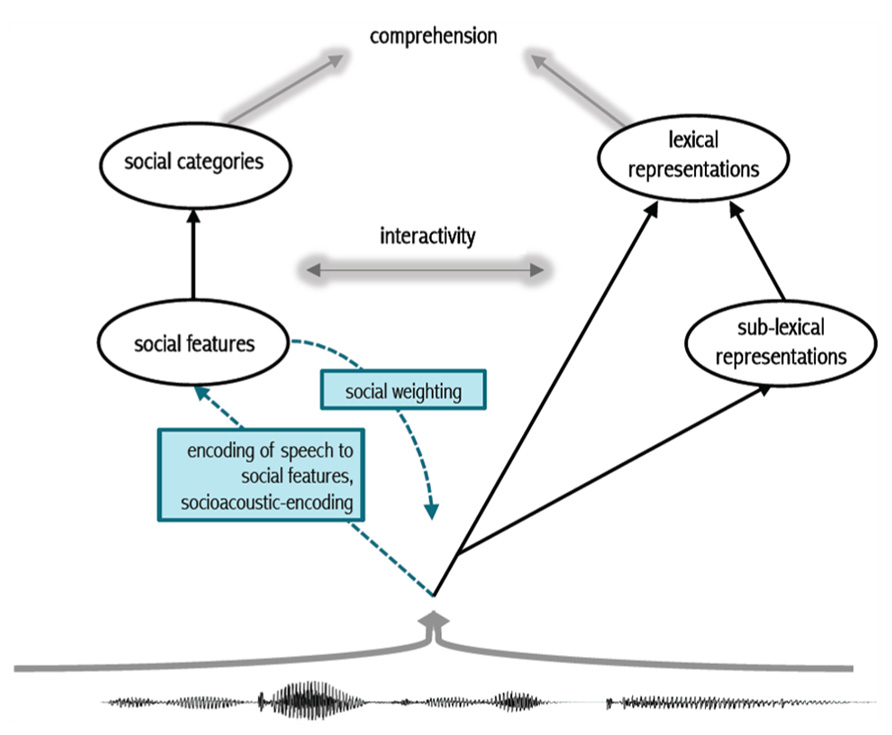
What Is Acoustic Encoding In Psychology Sexidrum

What Is Encoding Definition Uses Types And More

15 Semantic Memory Examples 2023
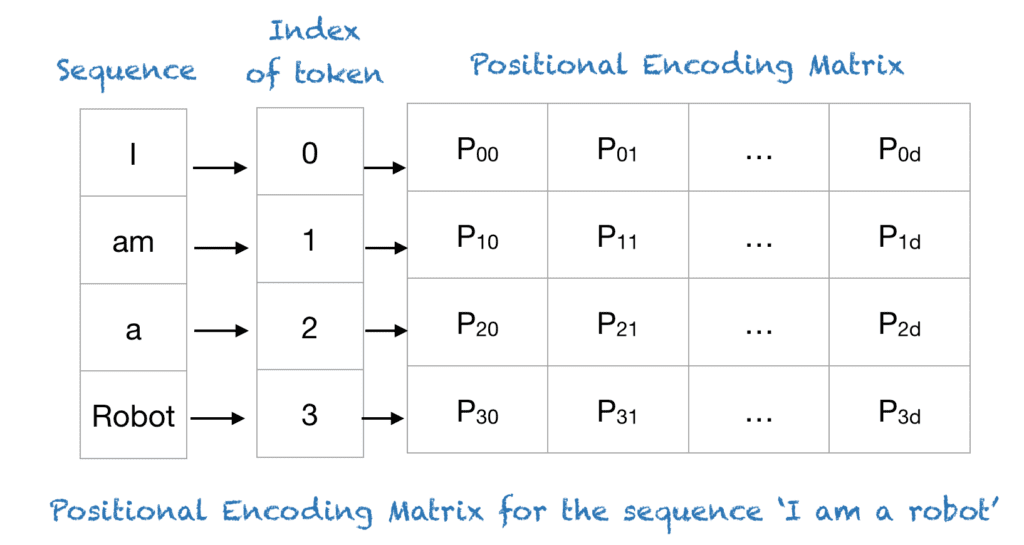
A Gentle Introduction To Positional Encoding In Transformer Models

Semantic encoding is a mental process that involves linking meanings or concepts to memories It can be used to remember information better comprehend the context of the text and solve problems Semantic encoding allows individuals to recall information more effortlessly by attaching significance to data

Semantic encoding is the process of converting sensory input into meaningful long term memories by associating new information with existing knowledge and experiences It is a type of deep processing that focuses on the meaning of information rather than its sensory or structural characteristics

Memory is the set of processes used to encode store and retrieve information over different periods of time Figure 8 2 Figure 8 2 Encoding involves the input of information into the memory system Storage is the retention of the encoded information
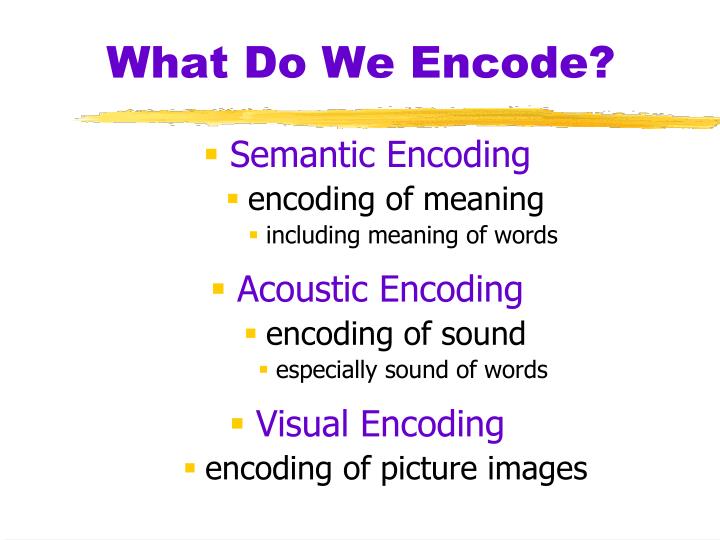
Encoding is the process of transforming external information into a format we can store in our memories It s our brains process for remembering and recalling knowledge later As the first step of developing memory psychology recognizes encoding as an integral process

Semantic encoding is a specific type of encoding in which the meaning of something a word phrase picture event whatever is encoded as opposed to the sound or vision of it Research suggests that we have better memory for things we associate meaning to and store using semantic encoding
The encoding of words and their meaning is known as semantic encoding Semantic encoding involves a deeper level of processing than the shallower visual or acoustic encoding Craik and Tulving concluded that we process verbal information best through semantic encoding especially if we apply what is called the self reference effect The self reference effect is the tendency for an individual to have better memory
Semantic encoding is the process of encoding sensory input that has particular meaning or can be applied to a particular context rather than deriving from a particular sense Acoustic Encoding Let s look at how we would tap into these encoding techniques starting with acoustic encoding