What Is Classification In Data Mining Data Mining Classification Sone Valley Classification And Predication In Data Mining Javatpoint Conceito B sico De Classifica o Data Mining Acervo Lima Data Requirements For Process Mining Flux Capacitor Alternative Spaces Blog 8 Data Mining Techniques You Must Learn To Classification is a classical method which is used by machine learning researchers and statisticians for predicting the outcome of unknown samples It is used for categorization of objects or things into given discrete number of classes Classification problems can be of two types either binary or multiclass
What is Data Mining Classification What are the Classification Applications in Data Mining What are the Key Tools Languages used for Mining Data What are the Data Mining Classification Techniques Generative Classification Discriminative Classification What are the steps involved in Data Mining In data mining classification is an organizational technique used to separate data points into a variety of categories The data classification process is commonly performed with the help of AI powered machine learning tools Modern classification techniques hold a close relationship with machine learning
Alternative Spaces Blog 8 Data Mining Techniques You Must Learn To Classification In Data Mining Various Methods In Classification What Is Classification In Data Mining With An Example The AI Blog What Is Classification In Data Mining With An Example Chat GPT Pro 2 1 Data Mining classification Basic Concepts The Taxonomy Of Data Mining Download Scientific Diagram What Is Data Classification In Data Mining Classification In Data Mining Coding Ninjas Classification Of Data Mining Systems
What Is Classification In Data Mining
 What Is Classification In Data Mining
https://2.bp.blogspot.com/-aNuHio97xcs/VD-PIbON8II/AAAAAAAABGQ/X0gjk55n4U4/s1600/Data%2BMining%2BClassification.jpg
The classification model in data mining is used when the variable of focus is more Qualitative There are several different types of classification And each of these algorithms is used to extract useful information from the dataset Organizations invest in these algorithms to master more about the preferences and behaviour of their clients
Templates are pre-designed documents or files that can be used for different purposes. They can conserve effort and time by providing a ready-made format and design for developing different kinds of content. Templates can be used for individual or professional jobs, such as resumes, invites, flyers, newsletters, reports, presentations, and more.
What Is Classification In Data Mining

What Is Classification In Data Mining And How The Classification Is Done
Classification In Data Mining Various Methods In Classification

What Is Classification In Data Mining With An Example The AI Blog

What Is Classification In Data Mining With An Example Chat GPT Pro
The Taxonomy Of Data Mining Download Scientific Diagram

What Is Data Classification In Data Mining

What is Classification in Data Mining Classification in data mining is a common technique that separates data points into different classes It allows you to organize data sets of all sorts including complex and

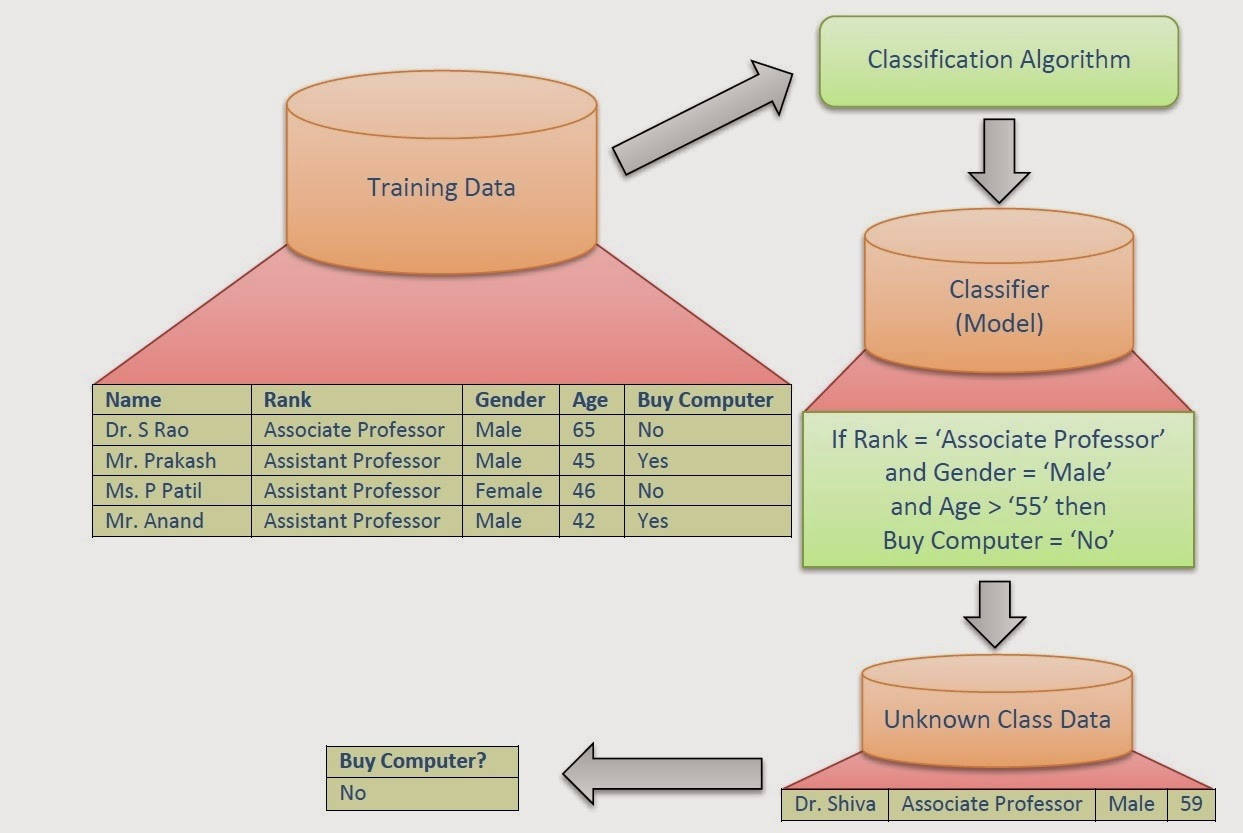
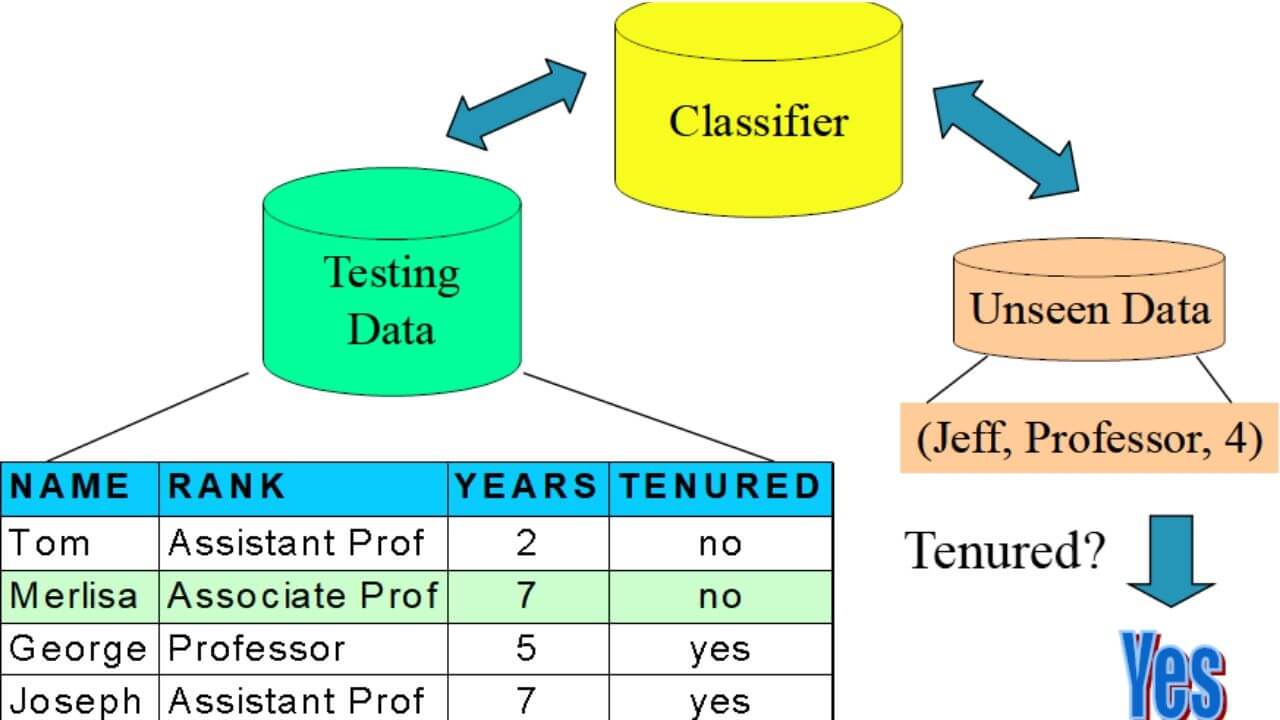
Classification is to identify the category or the class label of a new observation First a set of data is used as training data The set of input data and the corresponding outputs are given to the algorithm So the training data set includes the

Data Mining Classification Prediction There are two forms of data analysis that can be used for extracting models describing important classes or to predict future data trends These two forms are as follows Classification Prediction

Classification in data mining is a technique used to assign labels or classify each instance record or data object in a dataset based on their features or attributes The objective of the classification approach is to predict class labels of

Classification Definition Given a collection of records training set Each record is by characterized by a tuple x y where x is the attribute set and y is the class label x attribute predictor independent variable input y class response dependent variable output
[desc-11] [desc-12]
[desc-13]