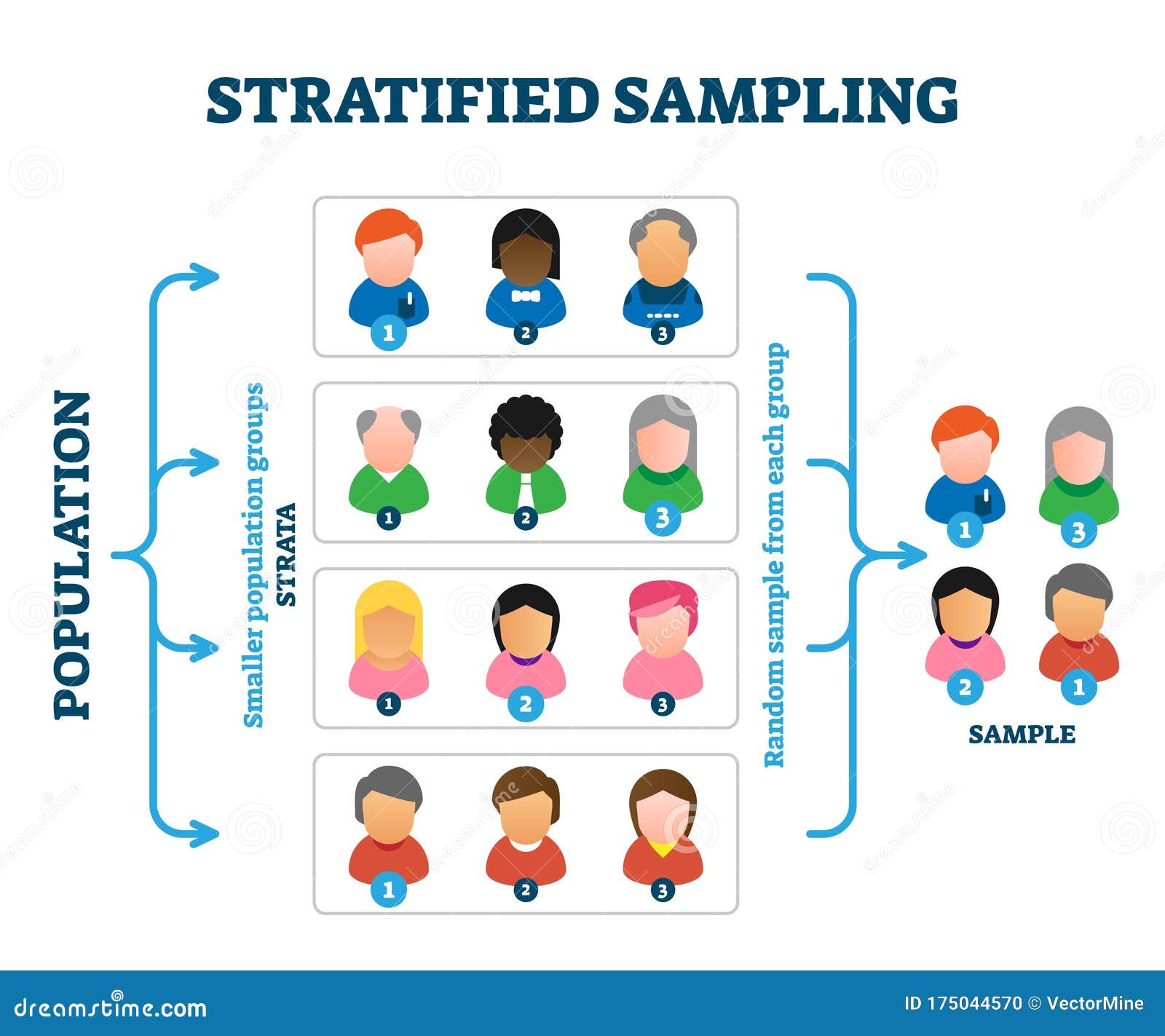
What Constitutes A Stratified Random Sample Stratified Sampling Definition Advantages Examples Statistics By Jim Stratified Sampling In OSD In Pharma An Overview How To Use Stratified Random Sampling To Your Advantage 2023 Stratified Sampling GCSE Maths Steps Examples Worksheet Stratified Sampling A Step By Step Guide With Examples Otosection Stratified sampling is a method of sampling that involves dividing a population into homogeneous subgroups or strata and then randomly selecting individuals from each group for study The process of classifying the population into groups before sampling is called stratification
6 1 How to Use Stratified Sampling In stratified sampling the population is partitioned into non overlapping groups called strata and a sample is selected by some design within each stratum For example geographical regions can be stratified into similar regions by means of some known variables such as habitat type elevation or soil type Stratified sampling In statistics stratified sampling is a method of sampling from a population which can be partitioned into subpopulations Stratified sampling example In statistical surveys when subpopulations within an overall population vary it could be advantageous to sample each subpopulation stratum independently
Stratified Sampling A Step By Step Guide With Examples Otosection Rumus Stratified Random Sampling Stratified Random Sampling YouTube Stratified Random Sampling Overview Pros Cons Stratified Sampling Formula Example Vector Stamp Icon Sample Watermark Rubber Stamp Stratified Sampling Vs Cluster Sampling Voxco Stratified Random Sampling Definition Method And Examples QuestionPro Effective Stratified Sampling Technique
What Constitutes A Stratified Random Sample
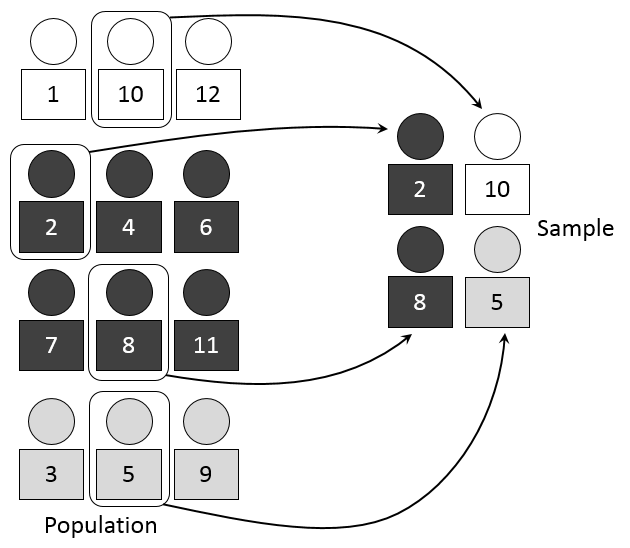 What Constitutes A Stratified Random Sample
https://statisticsbyjim.com/wp-content/uploads/2021/10/Stratified_sampling.png
Table of contents When to use stratified sampling Step 1 Define your population and subgroups Step 2 Separate the population into strata Step 3 Decide on the sample size for each stratum Step 4 Randomly sample from each stratum Frequently asked questions about stratified sampling
Templates are pre-designed files or files that can be used for different purposes. They can save effort and time by supplying a ready-made format and design for creating various type of content. Templates can be utilized for individual or expert tasks, such as resumes, invites, leaflets, newsletters, reports, presentations, and more.
What Constitutes A Stratified Random Sample
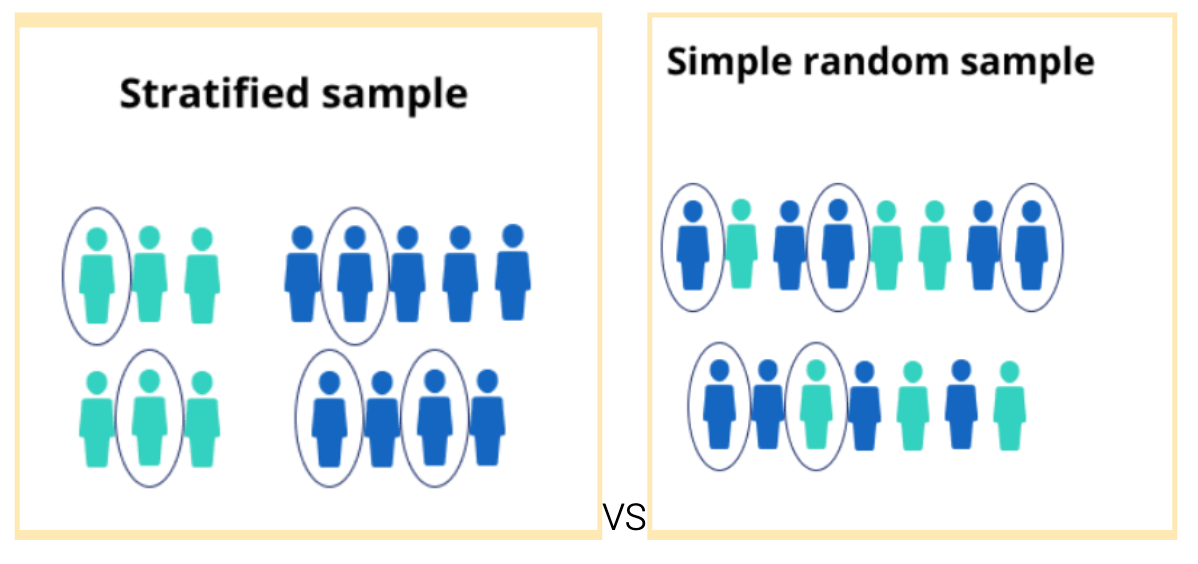
How To Use Stratified Random Sampling To Your Advantage
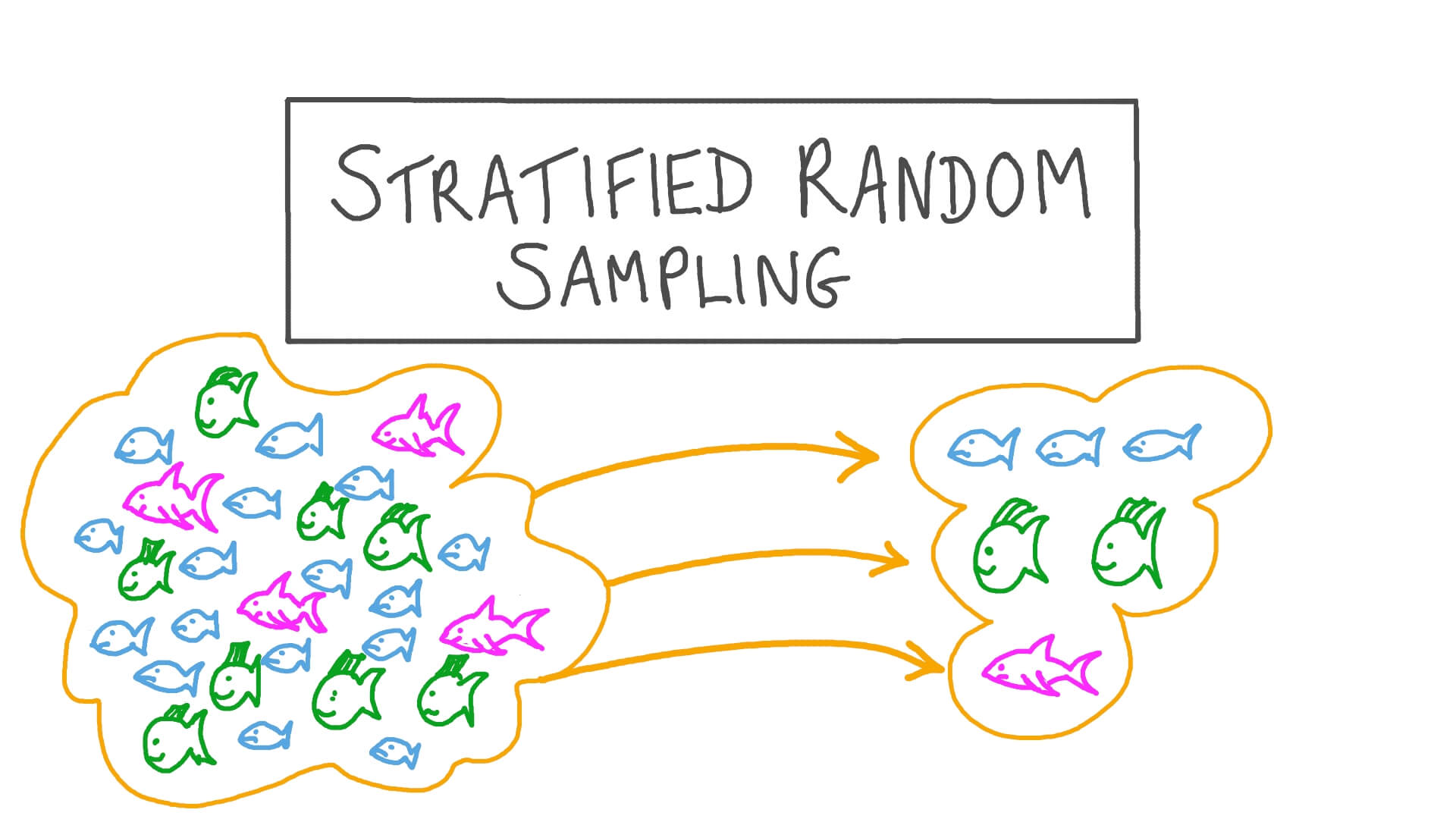
Rumus Stratified Random Sampling

Stratified Random Sampling YouTube
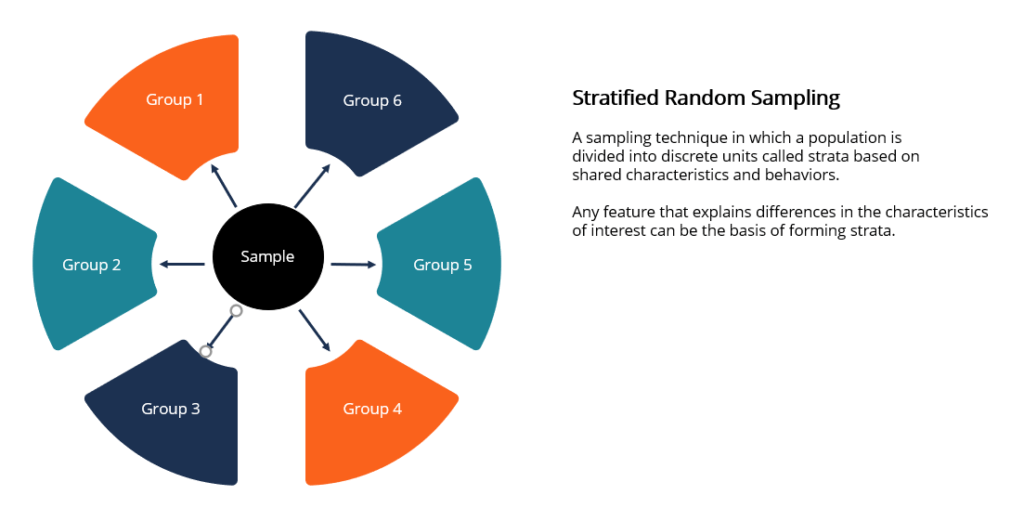
Stratified Random Sampling Overview Pros Cons
Example Vector Stamp Icon Sample Watermark Rubber Stamp
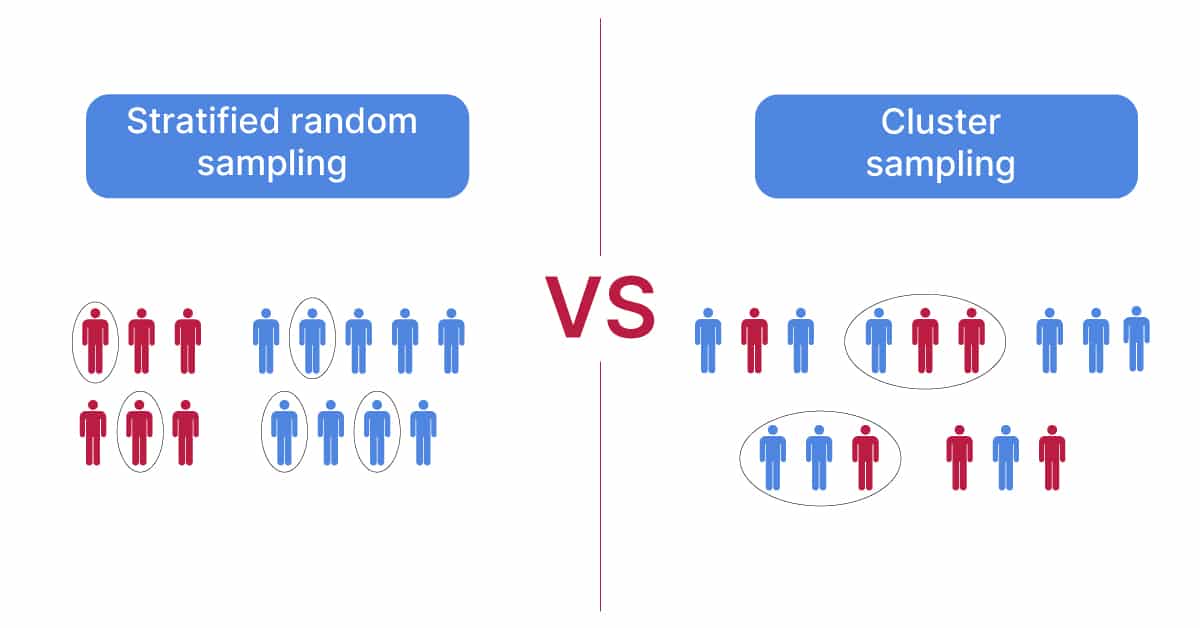
Stratified Sampling Vs Cluster Sampling Voxco
Stratified random sample The population is first split into groups The overall sample consists of some members from every group The members from each group are chosen randomly Example A student council surveys 100 students by getting random samples of 25 freshmen 25 sophomores 25 juniors and 25 seniors

Stratified sampling is a method of obtaining a representative sample from a population that researchers have divided into relatively similar subpopulations strata Researchers use stratified sampling to ensure specific subgroups are present in their sample It also helps them obtain precise estimates of each group s characteristics
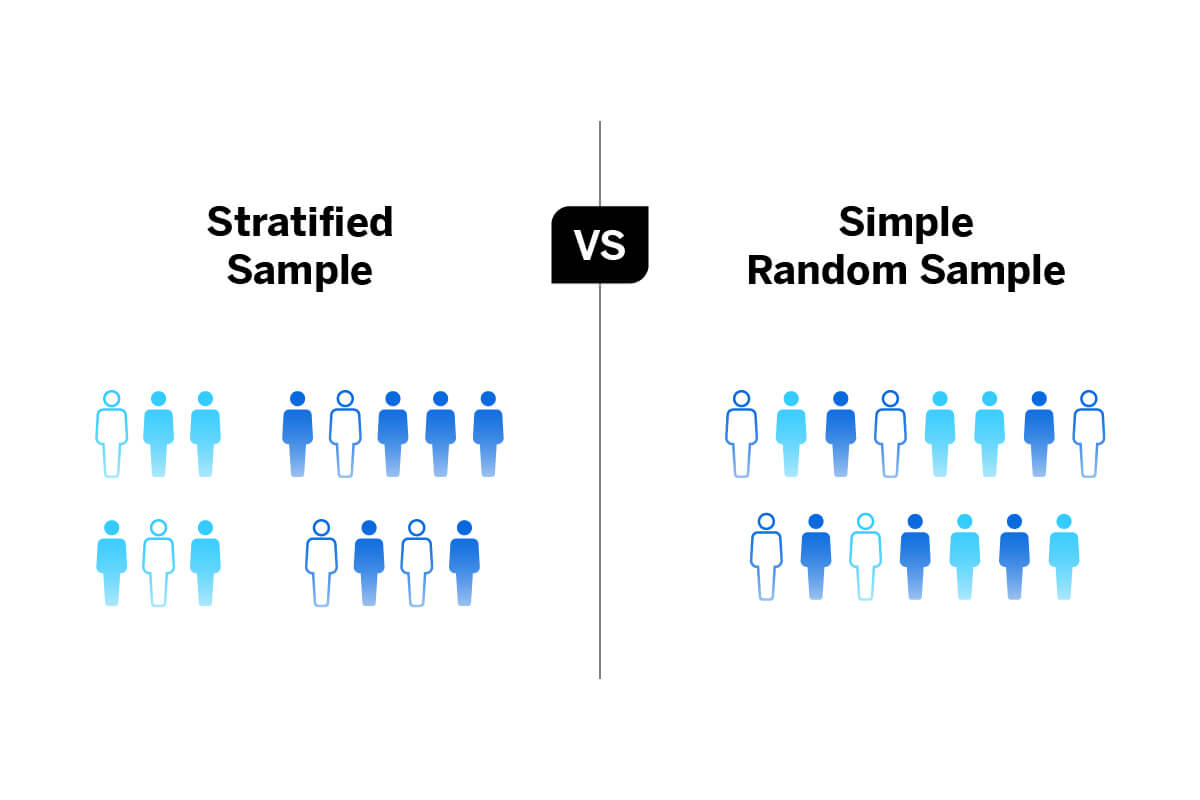
What is stratified random sampling Stratified random sampling is a form of probability sampling that provides a methodology for dividing a population into smaller subgroups as a means of ensuring greater accuracy of your high level survey results The smaller subgroups are called strata

Stratified random sampling is a method of sampling that involves the division of a population into smaller subgroups known as strata In stratified random sampling or stratification the

Simple random and stratified random samples are statistical measurement tools A simple random sample takes a small basic portion of the entire population to represent the entire data set
Definition Stratified random sampling is a type of probability sampling method that involves dividing a population into subgroups or strata based on certain characteristics and then selecting a random sample from each stratum Stratified random sampling is a widely used statistical technique in which a population is divided into different subgroups or strata based on some shared characteristics The purpose of stratification is to ensure that each stratum in the sample and to make inferences about specific population subgroups
Stratified random sampling also known as proportional random sampling and quota random sampling is a probability sampling technique in which the total population is divided into homogenous groups strata to complete the sampling process Each stratum the singular for strata is formed based on shared attributes or characteristics such