Typescript Object Property As Type TypeScript Object Oriented Programming Defining Class And Objects Property Does Not Exist On Type How To Fix Property Does Not Exist On TypeScript Object Is Of Type unknown Understanding TypeScript Object Serialization LogRocket Blog Introduction To Object Types In TypeScript Pt1 The object type represents all non primitive values while the Object type describes the functionality of all objects For example the Object type has the toString and valueOf methods that can be accessible by any object The empty type TypeScript has another type called empty type denoted by which is quite similar to the object type
Object types like this can also be written separately and even be reused look at interfaces for more details Type Inference TypeScript can infer the types of properties based on their values Example const car type Toyota car type Ford no error Now the object is typed correctly and we can still use the dynamic nature of the computed property names feature Using Object assign in TypeScript To use the Object assign method in TypeScript pass a target object as the first parameter to the method and one or more source objects The method will copy the properties from the source objects to the target object
Introduction To Object Types In TypeScript Pt1 TypeScript Object Index Signature Access Objects Dynamically YouTube How To Declare Object Property Type In Typescript Solved Typescript Function Object Parameters 9to5Answer Convert Cypress Specs From JavaScript To TypeScript Better World By TypeScript Objects Scaler Topics How To Check The Type Of An Object In TypeScript Type Guards Define Method Return Type According Class Received As Parameter In How To Convert Object Props With Undefined Type To Optional Properties
Typescript Object Property As Type
 Typescript Object Property As Type
https://i.ytimg.com/vi/l5nwEOCLaX8/maxresdefault.jpg
By using TypeScript s type casting you can bypass the type system to dynamically add new properties to objects Conclusion In this Byte we showed how to add a property to an object in TypeScript as well as other similar solutions and use cases We ve seen how to add multiple properties at once using Object assign and how to add nested
Templates are pre-designed files or files that can be used for various purposes. They can save effort and time by offering a ready-made format and layout for creating various sort of material. Templates can be used for individual or professional projects, such as resumes, invites, flyers, newsletters, reports, discussions, and more.
Typescript Object Property As Type
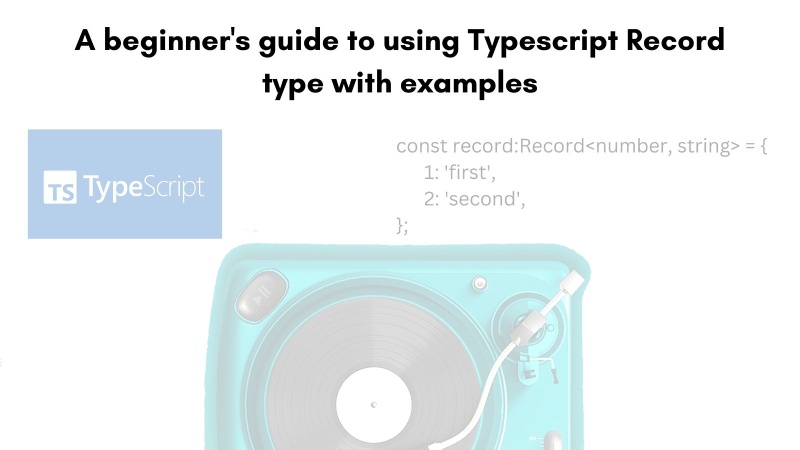
A Beginner s Guide To Using TypeScript Record Type With Examples

TypeScript Object Index Signature Access Objects Dynamically YouTube

How To Declare Object Property Type In Typescript

Solved Typescript Function Object Parameters 9to5Answer

TypeScript Objects Scaler Topics

How To Check The Type Of An Object In TypeScript Type Guards

You re pretty close you just need to replace the with a You can use an object type literal see spec section 3 5 3 or an interface Using an object type literal is close to what you have var obj property string property foo But you can also use an interface

Table of contents The problem with dynamically assigning properties to objects Solution 1 Explicitly type the object at declaration time Solution 2 Use an object index signature Solution 3 Use the Record Utility Type Solution 4 Use the Map data type Solution 5 Consider an optional object property
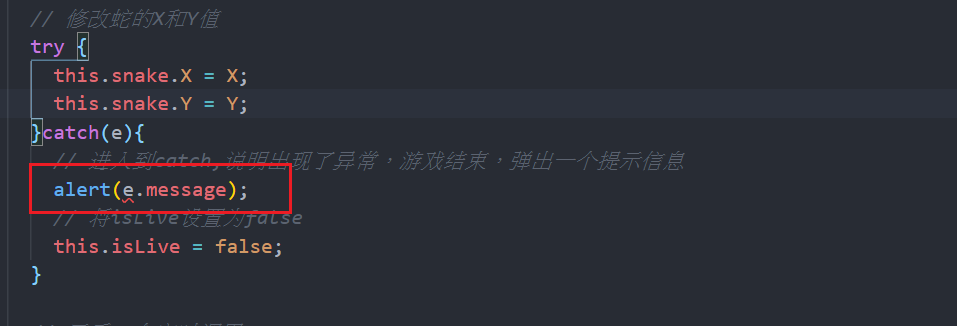
TypeScript doesn t use types on the left style declarations like int x 0 Type annotations will always go after the thing being typed In most cases though this isn t needed Wherever possible TypeScript tries to automatically infer the types in your code For example the type of a variable is inferred based on the type of its initializer

In TypeScript we can use common object oriented patterns One of the most fundamental patterns in class based programming is being able to extend existing classes to create new ones using inheritance Types have separate declarations of a private property name 2322 Type Employee is not assignable to type Animal Types have separate
Direct instances of Object have no own properties therefore Object prototype also matches Object line B 15 3 3 object lowercase o in TypeScript non primitive values In TypeScript object is the type of all non primitive values primitive values are undefined null booleans numbers bigints strings With this type we can t
The AuthenticatedUser type includes all properties of User plus a login function Conclusion Understanding object types is crucial for any developer working with TypeScript This guide has provided you with a comprehensive introduction to using object types effectively in TypeScript to help ensure the integrity and reliability of your codebase This allows for the encapsulation of object property order logic and type safety provided by TypeScript Here s a basic example of a custom class TypeScript developers are equipped with several tools to ensure the consistent ordering of object properties While TypeScript s static typing doesn t strictly enforce property order these
When you try to access an object s property you need to use a type keyof TypeScript then knows you are not assigning a random string you are assigning strings compatible with the properties keys for the object Also since status is a variable not a type you need to extract its type with typeof type StatusKey keyof typeof status let