Scala Option Sequence Scala Option 13 Simple Methods To Call Option In Scala DataFlair Cocktail Dress Scala Size Medium Formal Dress Grey With Silver white Scala Option A Gentle Introduction YouTube Scala Option Some None Q Why Do You Care About Reading This By Skoda Scala Adds An Option For Company Car Drivers Scala best practice How to use the Option Some None pattern alvinalexander try catch and finally syntax declare a null var before try catch mutable arrays string arrays convert array to string data types convert java collections to scala multidimensional arrays 2D array iterating over lists foreach for iterating over maps
1 I have the following code case class Person name String age Int object Launcher extends App val people Option Seq Person Andrii 20 Person John 35 Person Sam 15 def filterPeople list Option Seq Person Boolean list getOrElse Nil exists age 18 assert filterPeople people true 10 Answers Sorted by 79 seq reduceOption min does what you want Edit Here s an example incorporating your something case class Foo a Int b Int val seq Seq Foo 1 1 Foo 2 0 Foo 0 3 val ord Ordering by Foo b seq reduceOption ord min Option Foo Some Foo 2 0 or as generic method
Skoda Scala Adds An Option For Company Car Drivers How To Process Multiple Option Values In A Scala for Loop Briefly Uml Correct Use Of Option In Sequence Diagram Stack Overflow Scala Dresses Scala Sequence Dress Poshmark ERROR SparkContext Error Initializing SparkContext scala Option scala option InceptionZ CSDN RDD Scala Sequence Comprehensions Generic Classes And Inner Class Example Pin On UML Sequence Diagram Examples
Scala Option Sequence
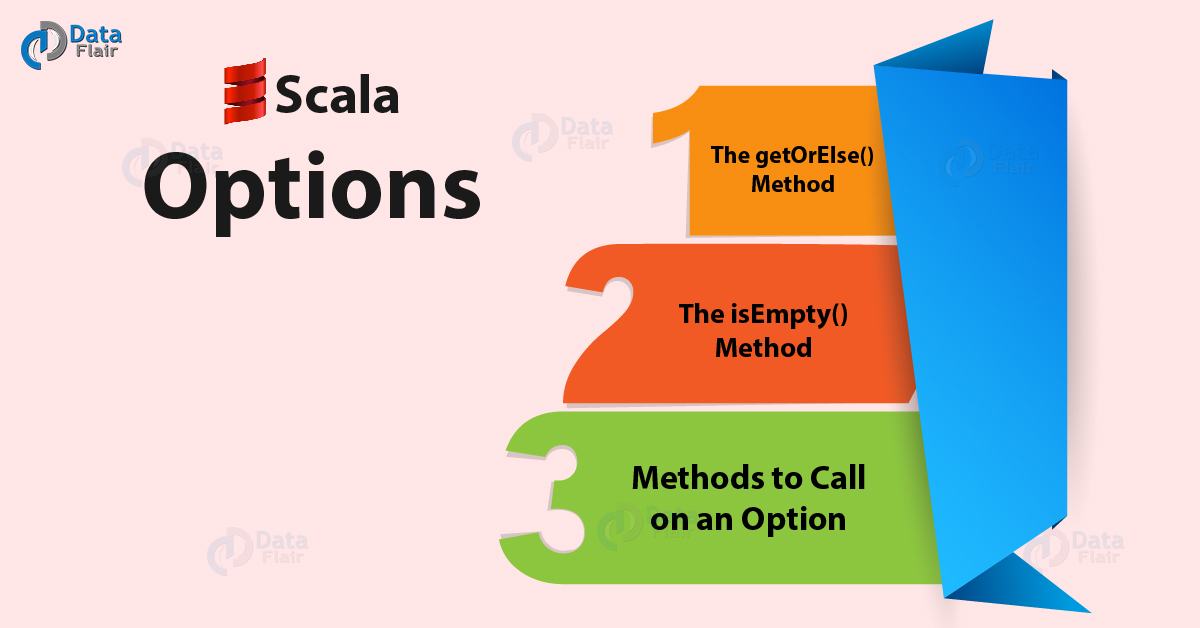 Scala Option Sequence
https://data-flair.training/blogs/wp-content/uploads/sites/2/2018/05/Scala-Collections-Options-01-2.jpg
Scala Book Common Sequence Methods Outdated Notice This page has a new version A great strength of the Scala collections classes is that they come with dozens of pre built methods The benefit of this is that you no longer need to write custom for loops every time you need to work on a collection
Templates are pre-designed files or files that can be used for numerous purposes. They can conserve effort and time by offering a ready-made format and layout for developing various sort of content. Templates can be utilized for personal or professional projects, such as resumes, invitations, flyers, newsletters, reports, discussions, and more.
Scala Option Sequence

Scala API Option These Walls
How To Process Multiple Option Values In A Scala for Loop Briefly

Uml Correct Use Of Option In Sequence Diagram Stack Overflow
Scala Dresses Scala Sequence Dress Poshmark

scala Option scala option InceptionZ CSDN

RDD

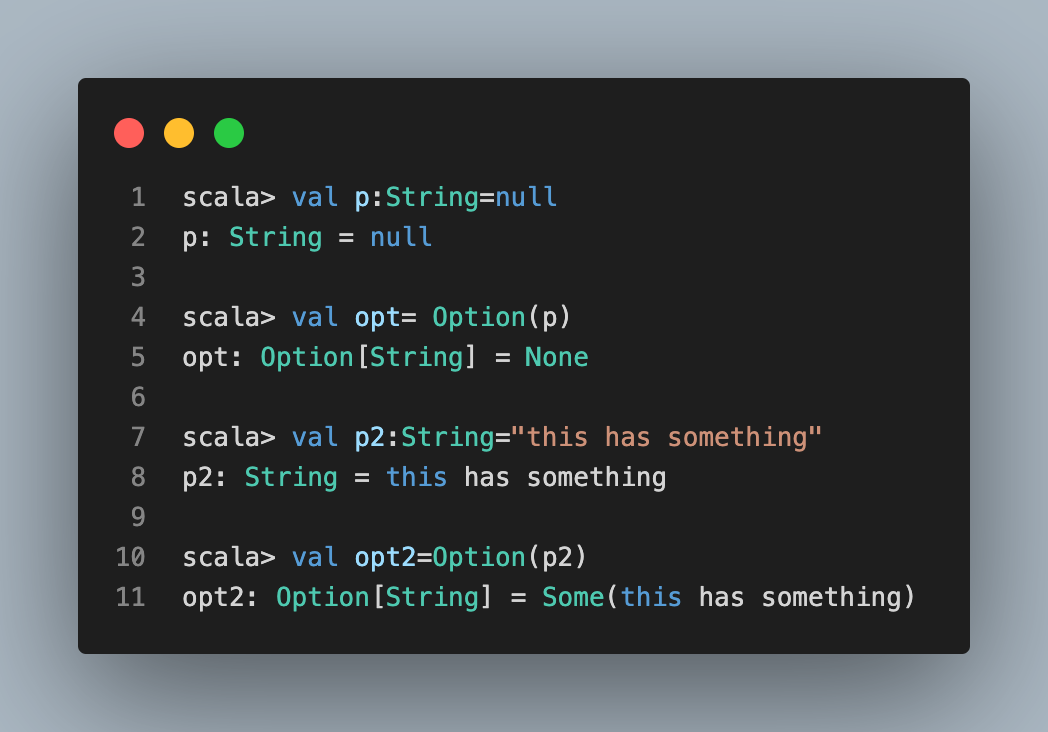
The most idiomatic way to use an scala Option instance is to treat it as a collection or monad and use map flatMap filter or foreach val name Option String request getParameter name val upper name map trim filter length 0 map toUpperCase println upper getOrElse Note that this is equivalent to

The most idiomatic way to use an scala Option instance is to treat it as a collection or monad and use map flatMap filter or foreach val name Option String request getParameter name val upper name map trim filter length 0 map toUpperCase println upper getOrElse Note that this is equivalent to

Conversion Between Option and the Collections Option can be seen as a collection that has zero or exactly one element and it provides a degree of interoperability with the collection types found in the package scala collection
Seq scala Linear Supertypes Known Subclasses Type Hierarchy Abstract Value Members abstract def apply i Int A Get the element at the specified index abstract def iterator Iterator A Iterator can be used only once abstract def length Int The length number of elements of the sequence Concrete Value Members final def arg0 Any Boolean

Serializable Represents optional values Instances of are either an instance of some or the object none The most idiomatic way to use an option instance is to treat it as a collection or monad and use or
Trait Seq has two subtraits LinearSeq and IndexedSeq These do not add any new operations but each offers different performance characteristics A linear sequence has efficient head and tail operations whereas an indexed sequence has efficient apply length and if mutable update operations Frequently used linear sequences are scala collection immutable List and scala collection immutable Because the Scala Seq is immutable you can t add elements to an existing Seq The way you work with Seq is to modify the elements it contains as you assign the results to a new Seq Seq append and prepend examples These examples show how to use the append and prepend methods
A relevant maxim is make illegal states unrepresentable If you go with Option Seq String that means that Some empty sequence is unwanted yet not forbidden by the type Sticking with a maybe empty Seq avoids this Returning an empty sequence in this case seems fully satisfactory to me