Risk Appetite Statement Examples Australia Risk Appetite Definition Example Statement Overview Of Risk Management Framework And Risk Appetite Katalysys Ltd How Should A Risk Appetite Statement RAS Be Developed What Should A Developing And Articulating Your Bank s Risk Appetite Statements Creating And Applying Risk Appetite Statements Sustainability HSE A Risk Appetite Statement is a formal document that articulates the level and type of risk an organisation is willing to take in pursuit of its strategic objectives given its financial capacity However determining the appropriate level of risk can be challenging This is where the role of the Board comes in
Risk Appetite Statements UK Corporate Governance Code and selected companies approaches to designing and implementing risk appetite statements and the lessons for boards and for risk professionals About IRM IRM is the leading professional body for risk management This diagram shows the development pathway for embedding risk appetite and where Australian organisations generally are on that pathway A well articulated risk appetite statement with tolerances expressed with triggers properly cascaded through the organisation can act as an early warning system to see where you can move within or outside
Creating And Applying Risk Appetite Statements Sustainability HSE Risk Appetite And Tolerance Overview GovernWith Risk Capacity And Risk Appetite By Wentz Wu CISSP ISSMP ISSAP ISSEP The Benefits Of Implementing A Risk Appetite Framework WSJ AML CTF Risk Appetite Statement Template What Are Risk Profile Risk Appetite And Risk Rating GCash Mercruiser Stern Drive Repair Manual 1964 199 By MarieMatheny Issuu Risk Appetite And Tolerance Statements In Governance Risk Tolerance Risk Appetite Model Risk Management Project
Risk Appetite Statement Examples Australia
 Risk Appetite Statement Examples Australia
https://pmstudycircle.com/wp-content/uploads/2022/04/Risk-Appetite.jpg
2016 Understanding Risk Appetite and Tolerance 3 Contact Use of this information sheet The risk appetite statement should be an integral element of an entity s risk management framework Risk appetite statements must also be tailored to each entity and consequently will look and feel different according to an entity s
Templates are pre-designed files or files that can be used for numerous purposes. They can save effort and time by supplying a ready-made format and layout for producing various sort of content. Templates can be used for individual or expert tasks, such as resumes, invitations, leaflets, newsletters, reports, discussions, and more.
Risk Appetite Statement Examples Australia

Benchmarking Risk Management Capability Department Of Finance

Risk Appetite And Tolerance Overview GovernWith

Risk Capacity And Risk Appetite By Wentz Wu CISSP ISSMP ISSAP ISSEP

The Benefits Of Implementing A Risk Appetite Framework WSJ

What Are Risk Profile Risk Appetite And Risk Rating GCash

Mercruiser Stern Drive Repair Manual 1964 199 By MarieMatheny Issuu

For example one company that sought to measure when it was approaching appetite limits used an early warning level It also had an intervention level which indicated when it was outside appetite An early warning was reported as amber and meant that a discussion point had been reached
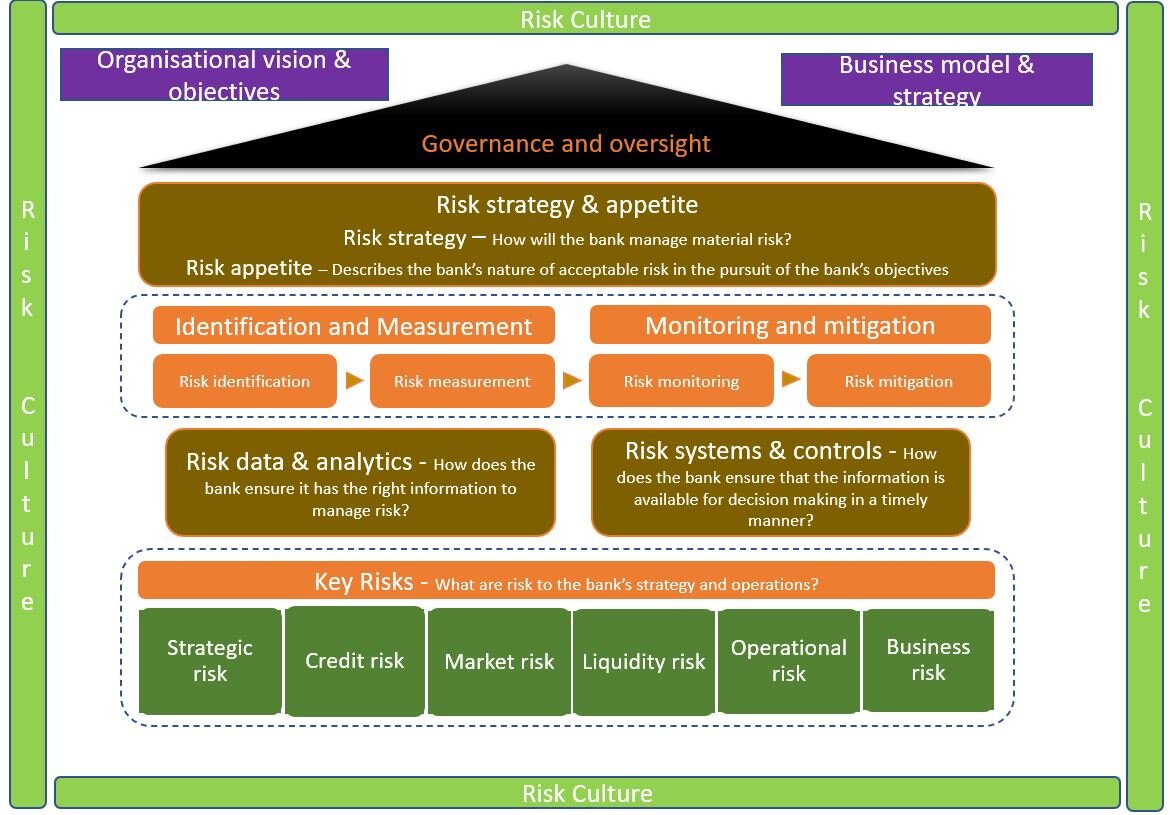
A Risk Appetite Statement RAS is a written definition of risk appetite that specifies the amount and type of risk an organisation is willing to take in meeting its strategic objectives Defined by the board an organisation s RAS should align with its purpose and strategy and consider the risk appetite of key stakeholders

6 7 8 9 SUMMARY RISK APPETITE SUSTAINABILITY STATEMENT 1 1 Introduction Optimising risk and reward involves managing risk taking activity in the pursuit of value Risk appetite is the amount of risk UNSW is willing to accept in the pursuit of our 2025 strategic objectives

Oxfam Australia s risk appetite statement reflects its risk management philosophy and sets out a vision on how risks are to be viewed Oxfam Australia s risk appetite provides the basis for setting acceptable levels of risk tolerance and thresholds and contributes to the identification and implementation of mitigation actions

The Risk Appetite Statement RAS considers the most significant types of risks to which the University is exposed and provides an outline of the approach to managing these risks
A risk appetite statement should cover 1 The key organisational objectives 2 Other key fundamentals of the business such as financial resilience and safety if these are not already articulated via organisational objectives ABC Risk Appetite Statement The risk appetite statement outlines the level of risk that can be taken in delivering the department s objectives In areas where the department has the lowest appetite staff must implement controls and actions to make sure the risk level is within the acceptable range In areas of lowest appetite the target risk level must be low
This article reviews the basics of risk appetite statements RAS the benefits to an organisation and what is necessary to ensure it is properly communicated and implemented