Pl Sql Collection Record Type Dimensions Des Disques 33 Tours Dimensional Characteristics Of 33 R p PL SQL Tutorial 65 PL SQL Collection Method EXTEND In Oracle Database Difference Between ROWTYPE And TYPE In PLSQL YouTube PL SQL Tutorial 63 PL SQL Collection Method Prior Next In Oracle PL SQL Tutorial 66 PL SQL Collection Method TRIM In Oracle Database In this chapter you learn how those types let you reference and manipulate collections of data as whole objects You also learn how the datatype RECORD lets you treat related but dissimilar data as a logical unit
Oracle provides three basic collections each with an assortment of methods This article was originally written against Oracle 8i but it includes operators conditions and functions that were added in later releases Index By Tables Associative Arrays Feb 18 2013 nbsp 0183 32 The most efficient way to pass collections to and from the database server is to set up data values in associative arrays then use those associative arrays with bulk constructs the FORALL statement or BULK COLLECT clause
PL SQL Tutorial 66 PL SQL Collection Method TRIM In Oracle Database Oracle Plsql Records And Collections Type YouTube PL SQL Collections PL SQL Tutorial For Beginners In Hindi YouTube PL SQL PL SQL Collection Types SQL DataMindSphere ISO27001 pptx Oracle 12c pdf Linux docx
Pl Sql Collection Record Type
 Pl Sql Collection Record Type
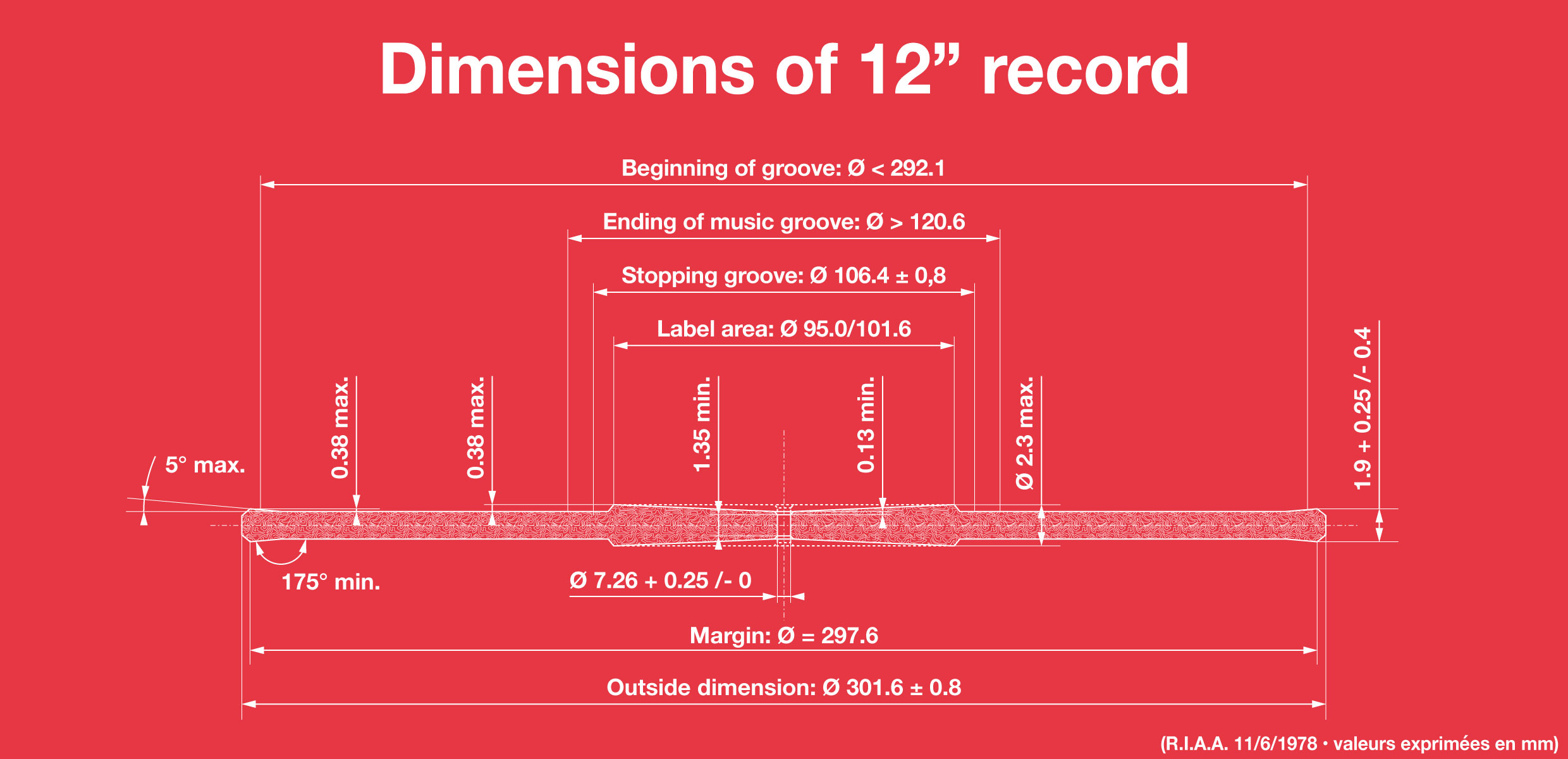
https://mainatework.com/wp-content/uploads/2022/08/Vinyle_Dimensions.jpg
PL SQL record helps you simplify your code by shifting from field level to record level operations PL SQL has three types of records table based cursor based and programmer defined
Pre-crafted templates use a time-saving service for developing a varied range of documents and files. These pre-designed formats and layouts can be used for numerous personal and expert jobs, consisting of resumes, invites, flyers, newsletters, reports, discussions, and more, improving the content development procedure.
Pl Sql Collection Record Type

PL SQL Tutorial 57 PL SQL Collection Associative Array In Oracle

Oracle Plsql Records And Collections Type YouTube

PL SQL Collections PL SQL Tutorial For Beginners In Hindi YouTube

PL SQL PL SQL Collection Types SQL

ISO27001 pptx

You can create a function that return that record type See below sample code DECLARE type location record type is record street address varchar2 40 postal code varchar2 12 city

In this chapter you learn how those types let you reference and manipulate collections of data as whole objects You also learn how the datatype RECORD lets you treat related but dissimilar data as a logical unit This chapter discusses the following topics

This chapter shows how to reference and manipulate collections of data as local variables You also learn how the RECORDdatatype lets you manipulate related values of different types as a logical unit This chapter contains these topics What Is a Collection Choosing Which PL SQL Collection Types to Use Defining Collection Types

In PL SQL we use the terms quot qualified expression quot and quot aggregate quot rather than the SQL term quot type constructor quot but the functionality is the same Here s an working example declare type a is record a1 number a2 number type b is table of a index by varchar2 16
Jun 28 2024 nbsp 0183 32 Oracle PL SQL Records Type with Examples What is Record Type A Record type is a complex data type which allows the programmer to create a new data type with the
This chapter shows how to reference and manipulate collections of data as local variables You also learn how the RECORD datatype lets you manipulate related values of different types as a logical unit This chapter contains these topics A collection is an ordered group of elements having the same data type Each element is identified by a unique subscript that represents its position in the collection PL SQL provides three collection types Index by tables or Associative array Nested table Variable size array or
In this chapter you learn how those types let you reference and manipulate collections of data as whole objects You also learn how the datatype RECORD lets you treat related but dissimilar data as a logical unit This chapter discusses the following topics