Nesa 4 Step Design Process ModelThinkers Musk s 5 Step Design Process Mobile App Design A Comprehensive Guide 2022 TechNerds A Conceptual Framework For Apparel Design Semantic Scholar Step by step Design Process With Illustrator And Animator Montsouris 6 Steps Infographic Template Riset Evaluation is the final step in the four step design process When prototyping and evaluation meet there are two kinds of evaluation done Formative Evaluation It is conducted early on in the design process with low fidelity prototypes Summative Evaluation This is conducted with the high fidelity prototypes or with the final interface
The goal of requirement gathering is to understand the problem space That takes us to the next question How do you identify the problem space In order to identify the problem space and understand Design is systematic because it is based on a set of techniques and also on a cycle of discovery Four step user interface design cycle is a set of techniques to gather information about a what the user needs b how to design and model interfaces based on these and then how to evaluate the design to ascertain that the user s goals are met
6 Steps Infographic Template Riset What Is Define Design Thinking Design Talk Shape Branding Design Our 6 Step Design Process Will Help You Shape Pin By On In 2022 Couture Embroidery Atelier Couture What You Should Know Before Hiring An Interior Designer The 5 Step Baixar cone De Trabalho Em Equipe De Engrenagens Coloridas Four Step Process Diagram Diagram For Business Presentation Google Design Process Define Research Ideation And Prototype GEORGIA GYE The Design Loop And How It Works
Nesa 4 Step Design Process
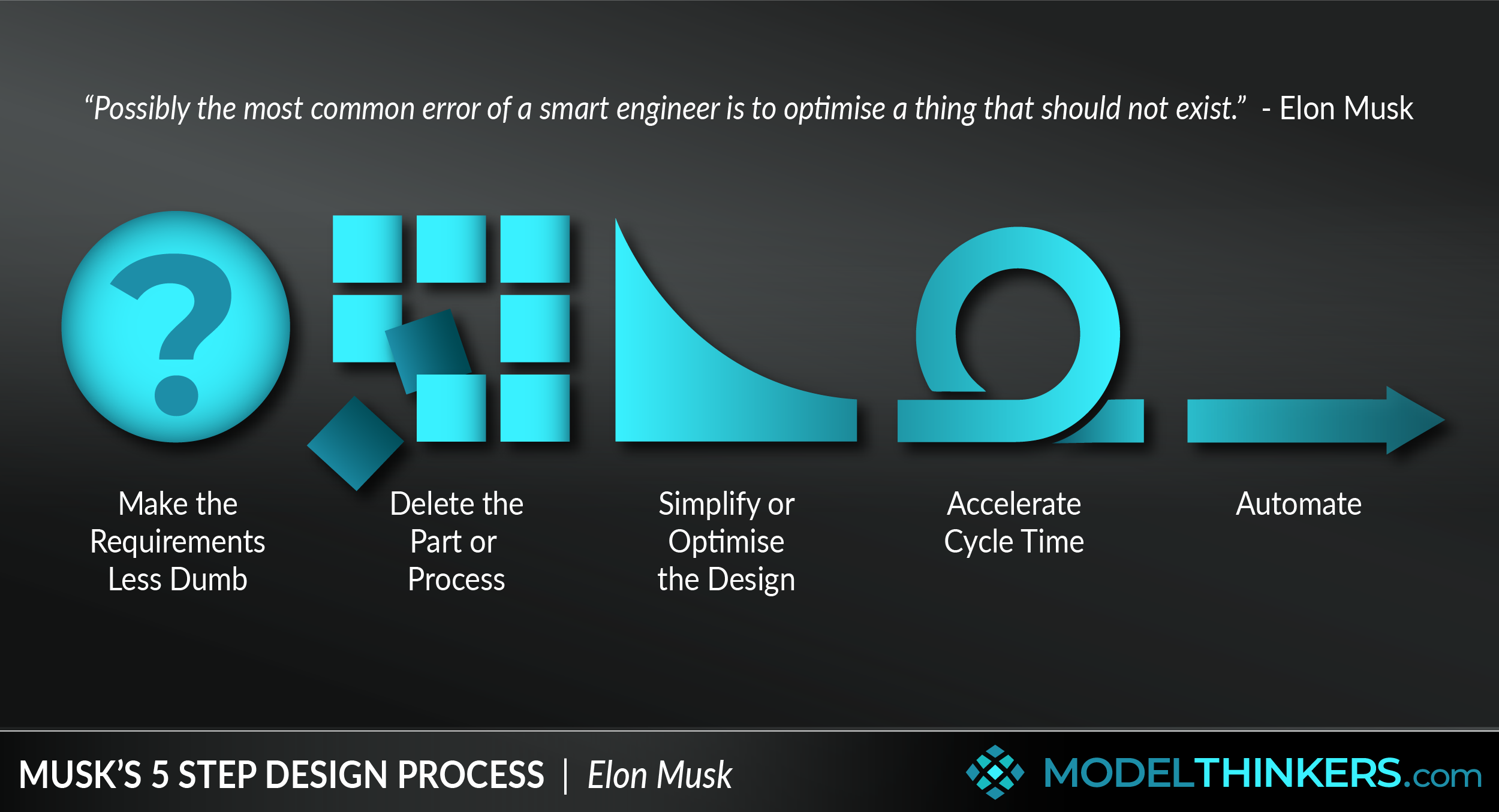 Nesa 4 Step Design Process
https://www.modelthinkers.com/storage/app/public/model_image/E48aMKODlS8wVL8Uk3BJN8n3PJc6egqWwvZsU3qJ.png
In the online course Design Thinking and Innovation Harvard Business School Dean Srikant Datar leverages a four stage framework clarify ideate develop and implement 1 Clarify The clarification stage involves observing and framing findings Your observations form the foundation of your design thinking so it s important to be unbiased
Templates are pre-designed documents or files that can be utilized for various functions. They can conserve time and effort by supplying a ready-made format and design for creating different kinds of content. Templates can be used for individual or expert projects, such as resumes, invites, leaflets, newsletters, reports, presentations, and more.
Nesa 4 Step Design Process

Ui Ux
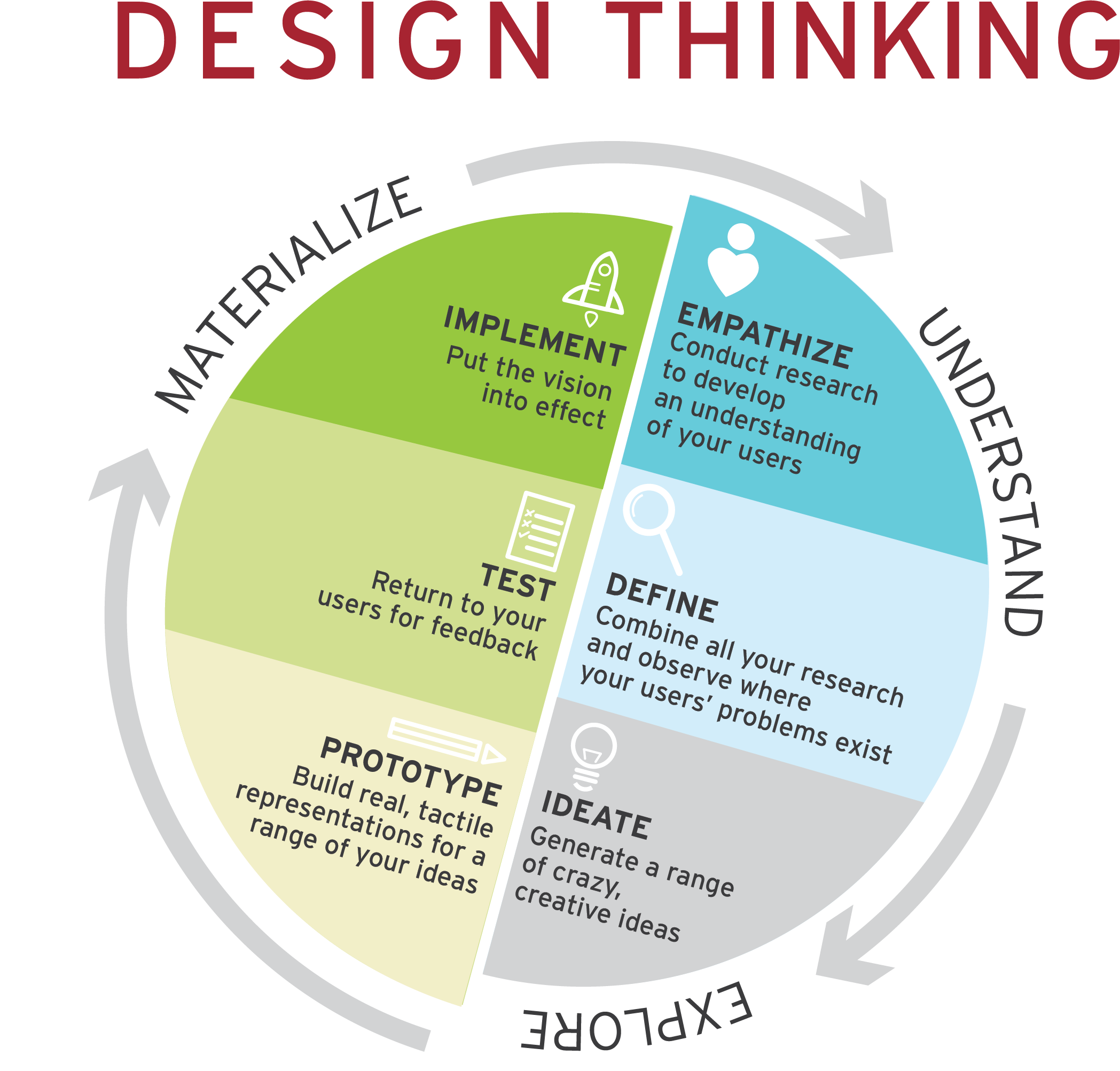
What Is Define Design Thinking Design Talk

Shape Branding Design Our 6 Step Design Process Will Help You Shape

Pin By On In 2022 Couture Embroidery Atelier Couture

Baixar cone De Trabalho Em Equipe De Engrenagens Coloridas

Four Step Process Diagram Diagram For Business Presentation Google

Information about the design and production component of the Science and Technology K 6 Syllabus We are making the NESA online experience better for you NESA content will soon be improved and moved to a new location on the NSW Government website so it is easier to find and read Years 3 4 Stage 3 Years 5 6

Design thinking methods can be used when trying to understand a problem generate ideas and refine a design based on evaluation and testing is intrinsically linked to the skills of design and production The design thinking video 6 27 explains design thinking using the NSW Science and Technology K 6 Syllabus

An overview of the 2020 project and folio marking process with discussion points for the teacher An in class presentation for students with teacher present to look at updated marking criteria for folios and the opportunities opened by COVID 19 for folio production A detailed description of updated requirements from NESA regarding multimedia

Learn about the aims objectives outcomes and content of the Design and Technology Years 7 10 syllabus 2019 which covers the stages of learning from Year 7 to Year 10 This syllabus integrates Australian Curriculum content and provides opportunities for students to develop creative and innovative solutions to real world problems

Through a rich and often boisterous discussion we collectively broke down the engineering design process into four main phases problem definition design exploration design optimization and design communication The ETF s first three phases align well with the three phase process outlined in the Next Generation Science Standards NGSS
There are 6 facets of understanding which indicate understanding the capacity to explain interpret apply shift perspective empathise and self assess R Reflect rethink revise effective curriculum is planned backward from long term desired results through a 3 stage design process desired results evidence and learning plan Typical output definitions from the Design Solution Definition Process are shown in Figure 4 4 1 and are described in Section 4 4 1 3 4 4 1 2 7 Verify the Design Solution Once an acceptable design solution has been selected from among the various alternative designs and documented in a technical data package the design solution should next be
3 Do It Just do it 4 Recap and Readjust Following through with a solution means evaluating and re evaluating the finished product Zooming out and looking at the solution and its effects