Multiple Imputation For Missing Data Via Sequential Regression Trees The Brief Architecture And Mechanism Of The Multiple Imputation MI Electronics Free Full Text A Hybrid Imputation Method For Multi Multiple Imputation For Missing Data Making The Most Of What You Know Information Free Full Text DEGAIN Generative Adversarial Network 5 Most Important Data Pre Processing Techniques Impute Missing Data Multiple imputation for missing data via sequential regression trees and the limited processing of your personal data in order to function By using the site you are agreeing to this as outlined in our privacy notice and cookie policy Similar Articles Multiple imputation for missing data via sequential regression trees
Multiple imputation is particularly well suited to deal with missing data in large epidemiologic studies because typically these studies support a wide range of analyses by many data users Some of these analyses may involve complex modeling including interactions and nonlinear relations Identifying such relations and encoding them in imputation models for example in the conditional Multiple imputation is a well established general technique for analyzing data with missing values A convenient way to implement multiple imputation is sequential regression multiple imputation SRMI also called chained equations multiple imputation
5 Most Important Data Pre Processing Techniques Impute Missing Data The Steps Of Implementing Multiple Imputations Download Scientific Issue Computation Free Full Text Multiple Imputation Of Missing Data In How To Handle Missing Data Towards Data Science PDF Multiple Imputation For Missing Data Fully Conditional Single Imputation Methods Iris Eekhout Missing Data Dealing With Missing Data Multiple Imputation YouTube Missing Data Techniques Taxonomy Download Scientific Diagram
Multiple Imputation For Missing Data Via Sequential Regression Trees
 Multiple Imputation For Missing Data Via Sequential Regression Trees
https://www.researchgate.net/publication/336673441/figure/fig2/AS:960502737932305@1606013106411/The-brief-architecture-and-mechanism-of-the-Multiple-ImputationMI.png
An alternative to mean value imputation is conditional mean imputation in which a regression model is used to impute a single value for each missing value 2 From the fitted regression model the mean or expected value conditional on the observed covariates is imputed for those subjects with missing data Thus assuming that the
Pre-crafted templates provide a time-saving solution for producing a diverse range of files and files. These pre-designed formats and layouts can be made use of for various individual and expert projects, consisting of resumes, invitations, flyers, newsletters, reports, discussions, and more, streamlining the content creation process.
Multiple Imputation For Missing Data Via Sequential Regression Trees

Multiple Imputation YouTube

The Steps Of Implementing Multiple Imputations Download Scientific

Issue
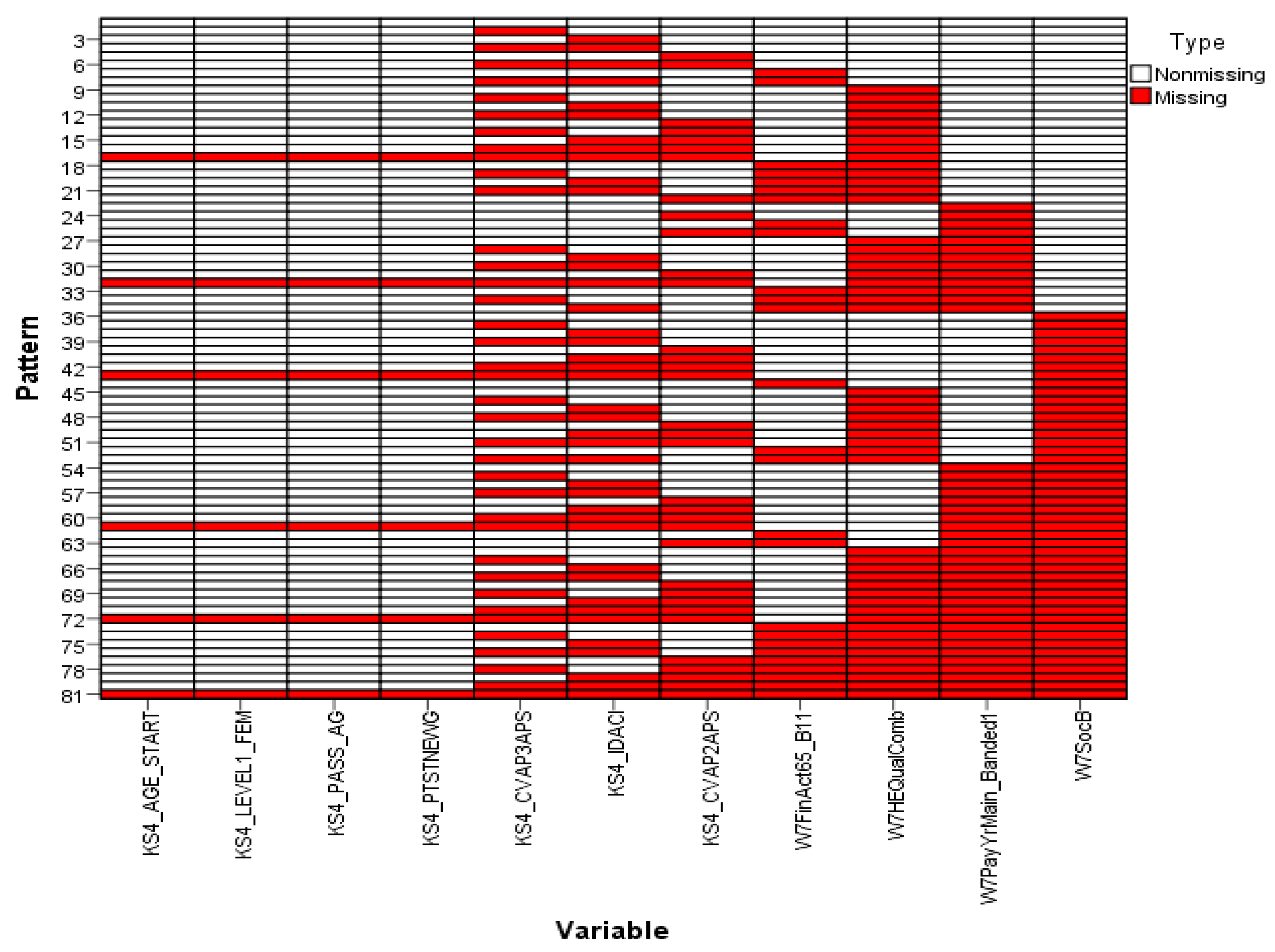
Computation Free Full Text Multiple Imputation Of Missing Data In
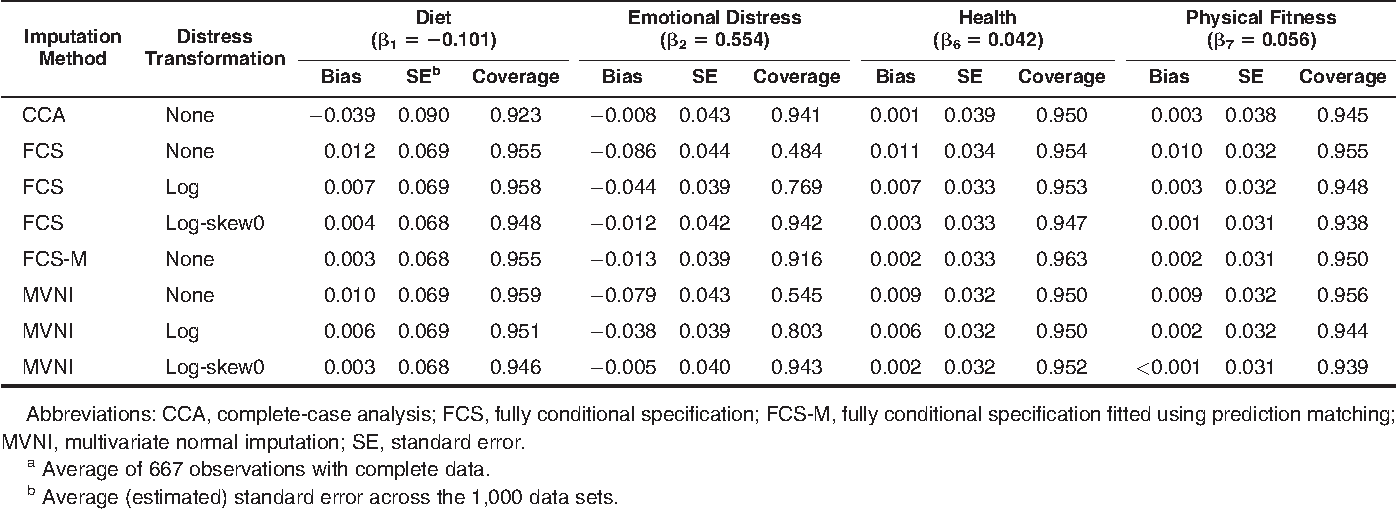
PDF Multiple Imputation For Missing Data Fully Conditional

Single Imputation Methods Iris Eekhout Missing Data

Multiple imputation for missing data via sequential regression trees Multiple imputation is particularly well suited to deal with missing data in large epidemiologic studies because typically these studies support a wide range of analyses by many data users
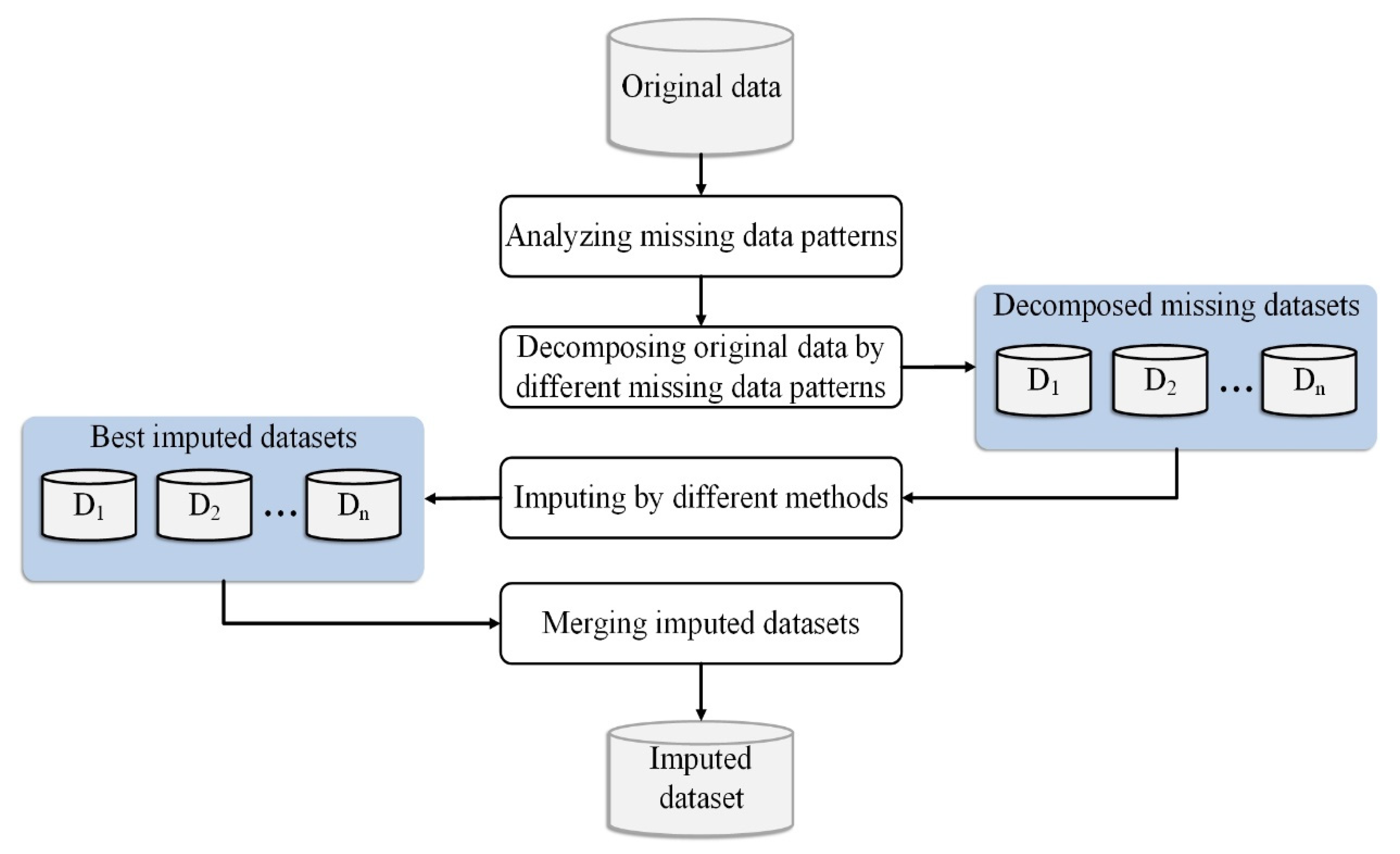
Random forest is an algorithm which combines the output of multiple decision trees to solve classification or regression problems Besides their ability to handle data with complex
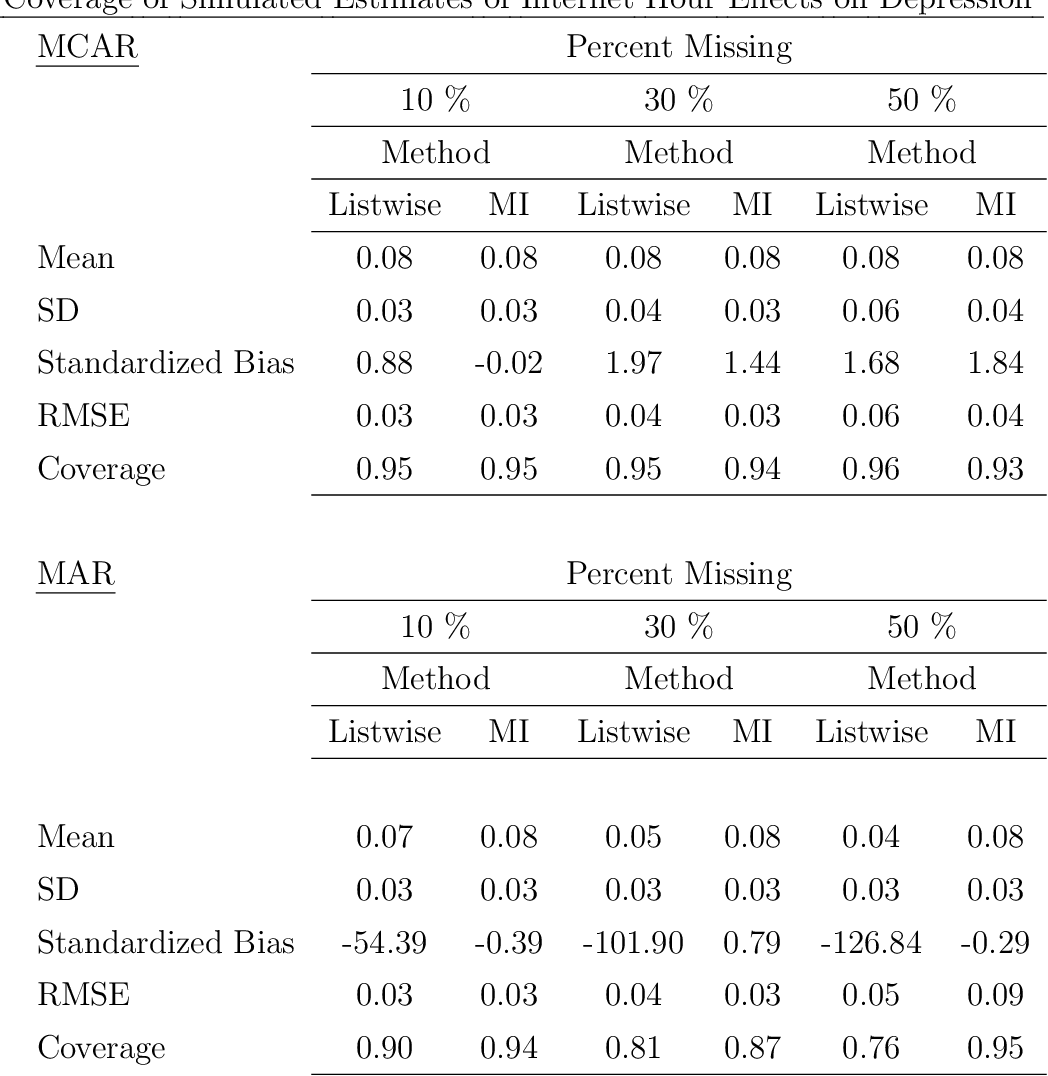
Multiple imputation for missing data via sequential regression trees American Journal of Epidemiology 172 9 1070 1076 https doi 10 1093 aje kwq260
March 4 2021 Abstract Multiple imputation is a well established general technique for analyzing data with miss ing values A convenient way to implement multiple imputation is sequential regression multiple imputation SRMI also called chained equations multiple imputation

The missing data are imputed multiple times to incorporate the uncertainty in the imputation Regression analysis is then performed on each imputed dataset and the parameter estimates and standard errors SE are calculated by combining the estimates from the multiply imputed datasets using Rubin s formula Rubin 1987
Multiple imputation is particularly well suited to deal with missing data in large epidemiologic studies because typically these studies support a wide range of analyses by many data users Some of these analyses may involve complex modeling including interactions and nonlinear relations Identifying such relations and encoding them in imputation models for example in the conditional Abstract Iterative multiple imputation is a popular technique for missing data analysis It updates the parameter estimators iteratively using multiple imputation method This technique is convenient and flexible However the parameter estimators do not converge point wise and are not efficient for finite imputation size m
A total of 56 of 500 of the differences are negative so we have the 2 sided estimated P 2 56 500 0 224 which does not indicate a deficiency in the imputation model for this parameter If 12 or fewer of these differences were negative or positive however we would have a 2 sided P value below 0 05 which would indicate a possible problem