Leaf Venation Examples In Plants Venation The Daily Garden Botany Word Of The Day Craspedodromous A Type Of Pinnate Venation VENATION OF LEAF Parallel Reticulate Unicostate Multicostate Difference Between Parallel And Reticulate Venation CLASS 6 LESSON 7 It s A Monocot Leaf Because It Has Parallel Veins Plant Leaves The arrangement of veins in a leaf is called the venation pattern monocots have parallel venation while dicots have reticulate venation The arrangement of leaves on a stem is known as phyllotaxy leaves can be classified as either alternate spiral opposite or whorled
Venation The arrangement of veins in a leaf is called the venation pattern Veins bring nutrients and liquid to leaf cells The illustration gives a few common ones PARALLEL just like it sounds The veins run parallel except where they meet at the tip and the base PINNATE secondary veins are spaced along a central midvein Leaf veins are vascular bundles coming to the leaf from stem Frequently there is a main vein and lateral veins veins of second order There are multiple classifications of leaf venation and example is shown on the Figure PageIndex 10
It s A Monocot Leaf Because It Has Parallel Veins Plant Leaves Leaf Palmate Tree Guide UK Tree ID By Palmate Leaf Reticulate Venation Leaves Plants Reticulate Venation Diagram Leaf Simple Green Pinnate Venation Central Vein Midrib Stock Photo Venation Of Leaf Leaves Part III YouTube Venation Of Leaf YouTube Parallel Venation And Reticulate Venation Quick Differences And 390 Parallel Venation Images Stock Photos Vectors Shutterstock Venation Of Leaf Types Of Venation In Leaf Reticulate
Leaf Venation Examples In Plants
 Leaf Venation Examples In Plants
http://www.thedailygarden.us/uploads/4/5/4/9/45493619/published/sunflower_3.jpg?1564947115
The design and function of leaf venation are important to plant performance with key implications for the distribution and productivity of ecosystems and applications in paleobiology agriculture and technology We synthesize classical concepts and the recent literature on a wide range of aspects of leaf venation
Pre-crafted templates provide a time-saving solution for creating a diverse range of files and files. These pre-designed formats and layouts can be made use of for numerous personal and professional tasks, including resumes, invites, leaflets, newsletters, reports, presentations, and more, improving the content creation process.
Leaf Venation Examples In Plants

Parallel Venation

Leaf Palmate Tree Guide UK Tree ID By Palmate Leaf

Reticulate Venation Leaves Plants Reticulate Venation Diagram

Leaf Simple Green Pinnate Venation Central Vein Midrib Stock Photo
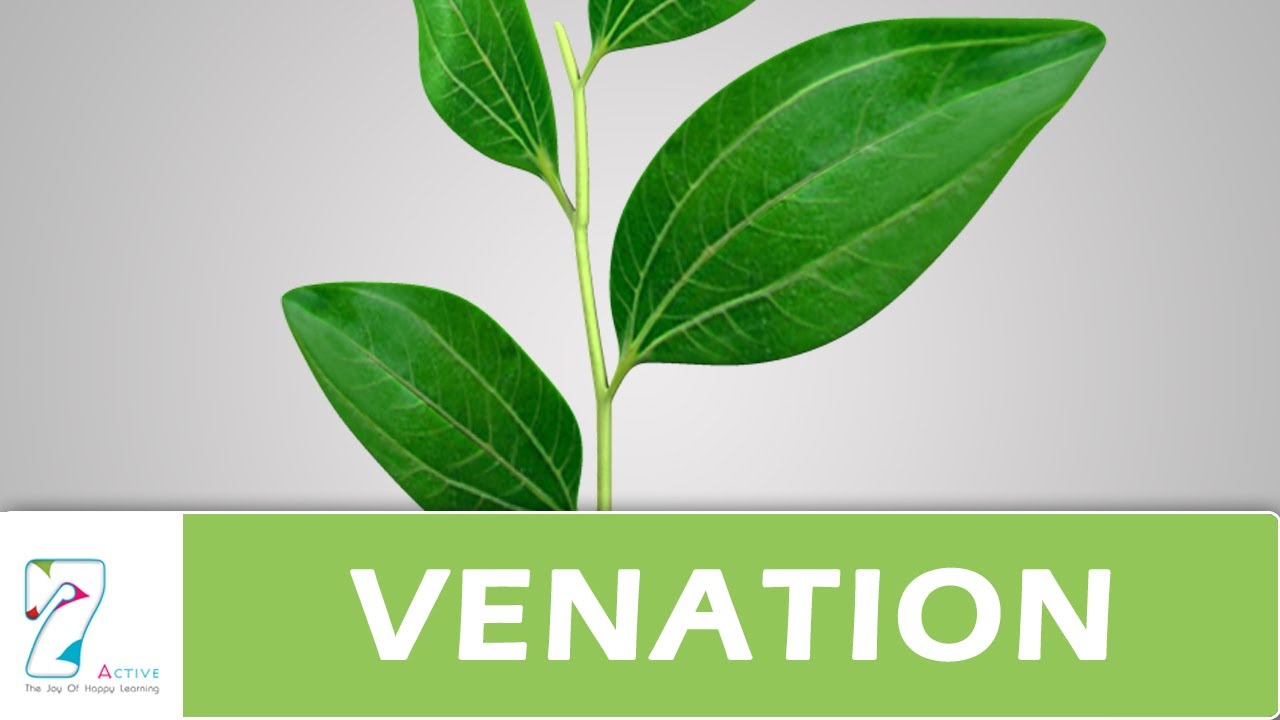
Venation Of Leaf YouTube

Parallel Venation And Reticulate Venation Quick Differences And

We synthesize classical concepts and the recent literature on a wide range of aspects of leaf venation We describe 10 major structural features that contribute to multiple key functions and scale up to leaf and plant performance

By examining the venation pattern of a leaf you can narrow down the possibilities of what type of plant it might be For example plants with parallel venation like grasses and lilies can be distinguished from plants with pinnate or

The venation differs in the two examples below The oak leaf is pinnate with a major vein heading down the midrib of the leaf The maple leaf is palmate with major veins that radiate from the point of attachment to the petiole Oak leaves have pinnate venation L while maple leaves have palmate venation R

Examples include the leaves of poison ivy the buckeye tree or the familiar houseplant Schefflera sp common name umbrella plant Pinnately compound leaves take their name from their feather like appearance the leaflets are arranged along the midrib as in rose leaves Rosa sp or the leaves of hickory pecan ash or walnut trees

Leaf venation refers to the patterns the veins follow in the leaf parallel netted or obscure In some cases you will need to look at the very small veins that run between the main veins in order to identify the type of venation Venation patterns within the finer veins 1st example has parallel main veins and fine veins
Leaf venation is the main structure for physical support and water nutrient transport in the leaf which has an important role in maintaining the growth and development of a leaf It also transports photosynthate and signal molecules from the mesophyll to the rest of the plant They are Reticulate Venation In this type of venation veinlets form a network Reticulate venation is generally present in the dicotyledonous plants Parallel Venation In this type of venation veins run parallel to each other Parallel venation is generally a characteristic of monocotyledonous plants
For example recent work has shown that two broad classes of venation types palmate and pinnate leaves responded differently to network severing treatments Palmate leaves suffer little loss in leaf hydraulic conductance stomatal conductance and photosynthetic rate when compared to pinnate leaves indicating that having multiple