Explain Run Time Polymorphism Polymorphism In Java Types Of Polymorphism In Java With Examples Compile Time Polymorphism And Run Time Polymorphism YouTube Difference Between Runtime Polymorphism And Compile Time Polymorphism Polymorphism In Java Tekbrowser Polymorphism In C Compile Time Vs Run Time Polymorphism C Polymorphism allows objects to be treated in a substitutable way This reduces duplication of code when you want the same actions to be performed on different types of objects Polymorphism literally means many forms Let s explain what we mean by this exactly Explanation of Polymorphism by Analogy If you have
Polymorphism is an important concept of object oriented programming It simply means more than one form That is the same entity method or operator or object can perform different operations in different scenarios Example Java Polymorphism In simple words we can define polymorphism as the ability of a message to be displayed in more than one form A real life example of polymorphism is a person who at the same time can have different characteristics A man at the same time is a father a husband and an employee
Polymorphism In C Compile Time Vs Run Time Polymorphism C Polymorphism In C Simple Snippets Polymorphism In C Object Oriented Programming UOG Studocu Understand Polymorphism In C With Simple Examples What Is Polymorphism Function Overloading Overriding Static Polymorphism Oops In C Www Run Time Polymorphism Vs Compile Time Polymorphism Java Training School Polymorphism In Java Master The Concept In Just 7 Mins DataFlair Polymorphism In Java Compile Time Runtime Example Scientech Easy
Explain Run Time Polymorphism
 Explain Run Time Polymorphism
https://btechgeeks.com/wp-content/uploads/2021/04/Polymorphism-in-Java-2.png
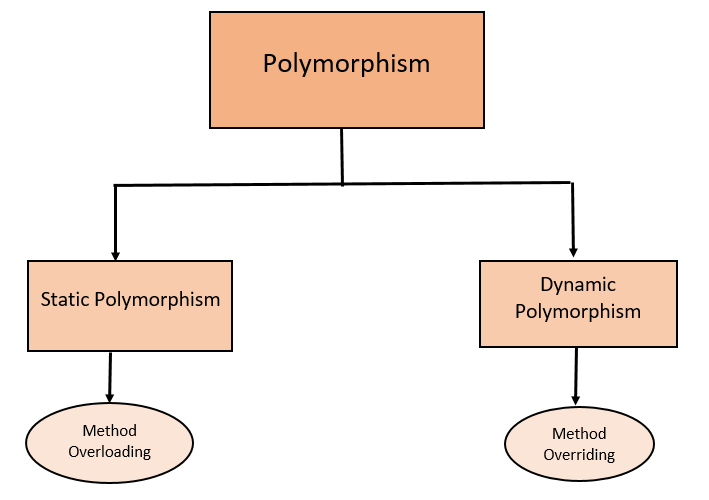
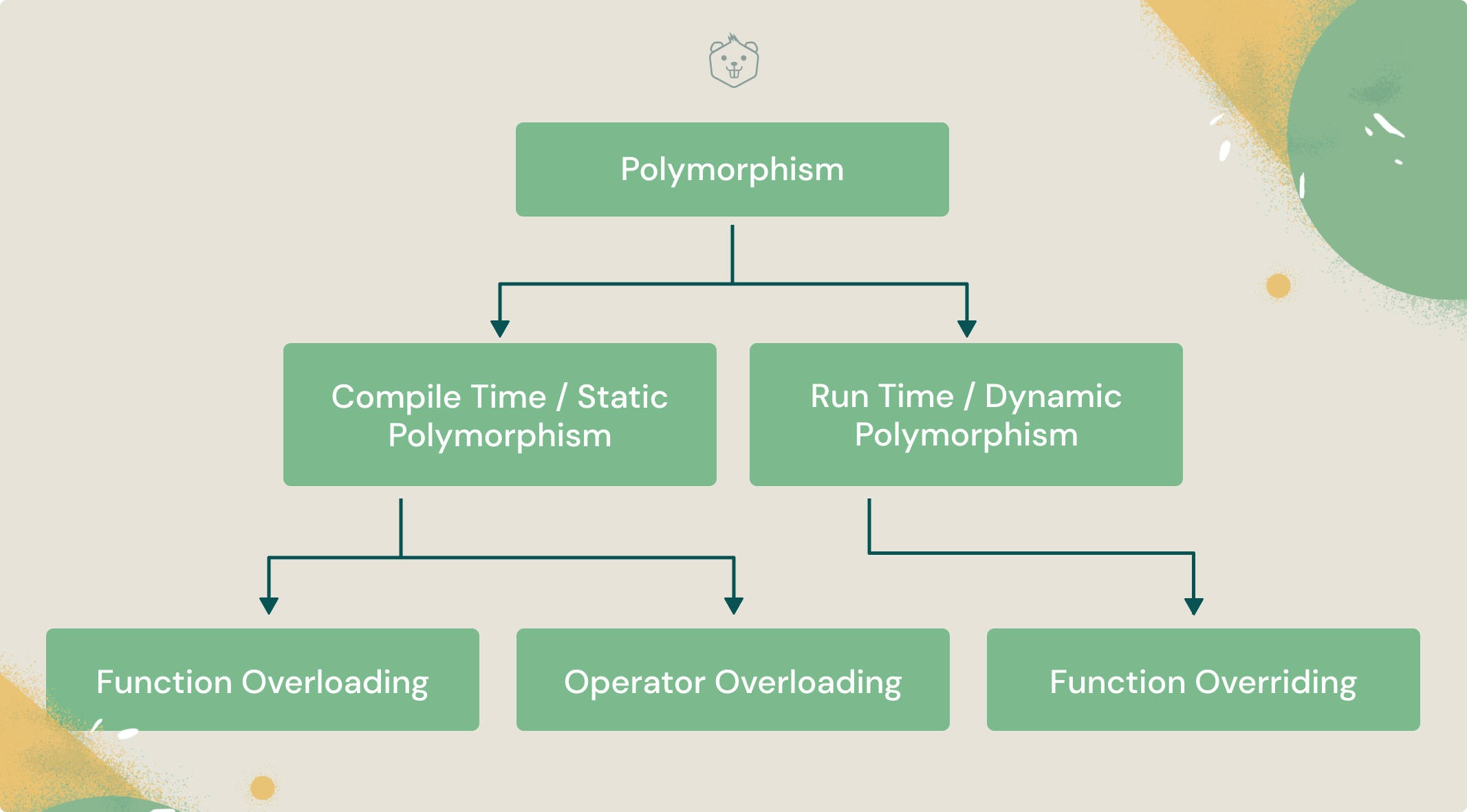
Polymorphism can be distinguished by when the implementation is selected statically at compile time or dynamically at run time typically via a virtual function This is known respectively as static dispatch and dynamic dispatch and the corresponding forms of polymorphism are accordingly called static polymorphism and dynamic polymorphism
Templates are pre-designed documents or files that can be utilized for numerous purposes. They can conserve time and effort by supplying a ready-made format and layout for producing different type of content. Templates can be used for individual or professional tasks, such as resumes, invites, leaflets, newsletters, reports, discussions, and more.
Explain Run Time Polymorphism

Difference Between Runtime And Compile Time Polymorphism YouTube

Polymorphism In C Simple Snippets

Polymorphism In C Object Oriented Programming UOG Studocu
Understand Polymorphism In C With Simple Examples
Function Overloading Overriding Static Polymorphism Oops In C Www

Run Time Polymorphism Vs Compile Time Polymorphism Java Training School

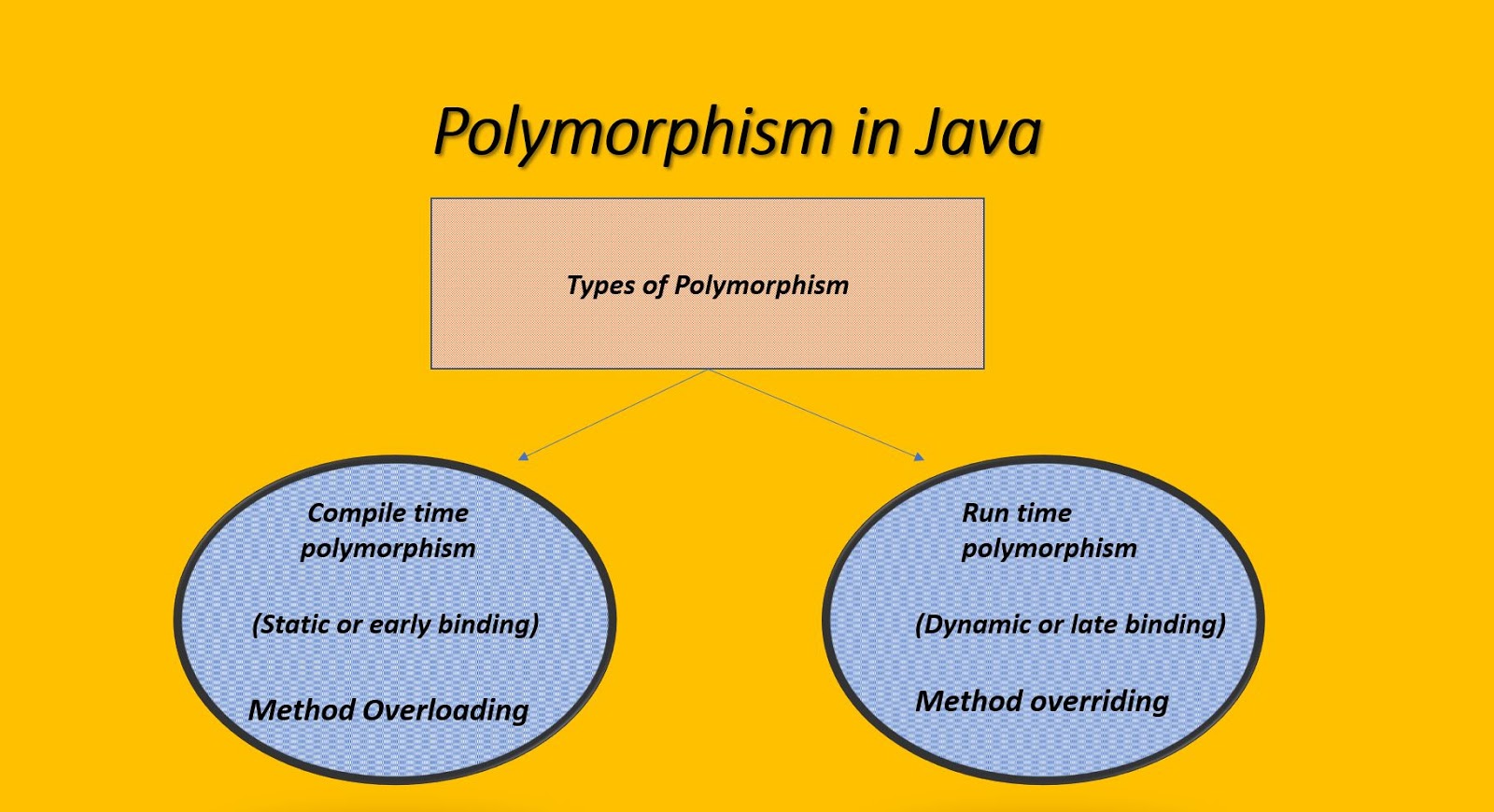
Run Time Polymorphism Whenever an object is bound with the functionality at run time this is known as runtime polymorphism The runtime polymorphism can be achieved by method overriding Java virtual machine determines the proper method to call at the runtime not at the compile time It is also called dynamic or late binding

What exactly does runtime polymorphism mean Ask Question Asked 13 years 4 months ago Modified 10 years 6 months ago Viewed 6k times 2 I m slightly confused about runtime polymorphism Correct me if I am wrong but to my knowledge runtime polymorphism means that function definitions will get resolved at runtime Take this example

Runtime Polymorphism in Java Java Java Programming Java 8 Method overriding is an example of runtime polymorphism In method overriding a subclass overrides a method with the same signature as that of in its superclass During compile time the check is made on the reference type

1 Overview All Object Oriented Programming OOP languages are required to exhibit four basic characteristics abstraction encapsulation inheritance and polymorphism In this article we cover two core types of polymorphism static or compile time polymorphism and dynamic or runtime polymorphism Static polymorphism is enforced at compile

Dynamic polymorphism This form of polymorphism doesn t allow the compiler to determine the executed method The JVM needs to do that at runtime Within an inheritance hierarchy a subclass can override a method of its superclass enabling the developer of the subclass to customize or completely replace the behavior of that method
Runtime Polymorphism in Java 3 Benefits of Runtime Polymorphism in Java Polymorphism is a technique wherein a single action can be performed in two different ways The term polymorphism is derived from two Greek words poly and morphs which mean many and forms respectively The term Polymorphism means the ability to take many forms It occurs if there is a hierarchy of classes that are all related to each other by inheritance In simple words when we break down Polymorphism into Poly Many and morphism Forms it means showing different characteristics in different situations Class Hierarchy
Runtime polymorphism is also known as dynamic polymorphism or late binding In runtime polymorphism the function call is resolved at run time In contrast to compile time or static polymorphism the compiler deduces the object at run time and then decides which function call to bind to the object