Ef Core Remove All EF Core Remove migration Issue 1127 Dotnet SqlClient GitHub Announcing The Release Of EF Core 5 0 NET Blog Entity Framework Core Is It Fast Micha Bia ecki Blog Ef Core Remove Child With Null Stack Overflow TH EF CORE ExecuteUpdate and ExecuteDelete are a way to save data to the database without using EF s traditional change tracking and SaveChanges method For an introductory comparison of these two techniques see the Overview page on saving data ExecuteDelete Let s assume that you need to delete all Blogs with a rating below a certain threshold
People might confuse the usage of Remove between Entity Framework Core and Entity Framework It is true that for Entity Framework the Remove method needs to be called after the Attach method as mentioned by Pierre Luc However for EFCore the Remove method will begin tracking the entity as deleted The DbContext Remove method results in the entity s EntityState being set to Deleted When SaveChanges is called a DELETE statement is generated and executed by the database This approach results in two SQL statements being executed one to retrieve the entity from the database and a second to delete it
TH EF CORE Downtown Core Aerial Free Stock Photo Public Domain Pictures 2018 FIRST Core Values FLL Tutorials Ef Core Remove Child With Null Stack Overflow WPF CRUD Operation Calling Web API ASP NET Core EF Core SQL HyperX Cloud Core Review TechRadar Activate Your Core Free Stock Photo Public Domain Pictures Core Exercise Free Stock Photo Public Domain Pictures Glass Eller Speil Relekta
Ef Core Remove All
Ef Core Remove All
https://opengraph.githubassets.com/7bbd7d84701059c7c97d55affa0483ef04775840c0666b58206933cc5ce7b48a/dotnet/SqlClient/issues/1127
There are times when we may need to delete all the records from the table using Entity Framework One of the commonly used ways is to iterate each row and use the DBSet Remove C foreach var item in Db Users Db Users Remove item Db SaveChanges This process is slower than Truncate Delete and not suitable for large datasets
Pre-crafted templates offer a time-saving service for creating a diverse range of files and files. These pre-designed formats and layouts can be used for different personal and expert tasks, including resumes, invites, leaflets, newsletters, reports, discussions, and more, streamlining the content development process.
Ef Core Remove All

EF Core 5 Many to Many Filter Include 4 Examples Of Related Data

Downtown Core Aerial Free Stock Photo Public Domain Pictures

2018 FIRST Core Values FLL Tutorials

Ef Core Remove Child With Null Stack Overflow

HyperX Cloud Core Review TechRadar

Activate Your Core Free Stock Photo Public Domain Pictures
Background Sometimes we may require to delete all the records from the table using Entity Framework Core One of the commonly used approaches is to iterate each row and use the DBSet T Remove to delete each row as shown below C foreach var item in Db Users Db Users Remove item Db SaveChanges This process is slower than

Entity Framework Core does NOT have RemoveRange so I have no idea how to perform this operation There are definitely at least a couple simple ways to delete multiple records in EF Core And EF Core does have a RemoveRange method it s a method on DbSet TEntity see here in the API docs as stated in the comment above A couple options
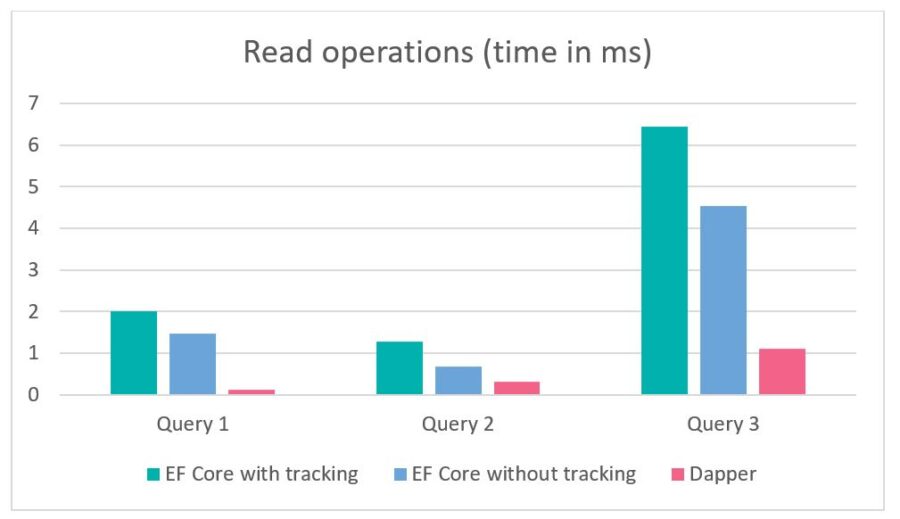
Learn how to delete records from the database using Entity Framework Core Deleting an entity is done using the Remove or RemoveRange method of the DbSet Alternatively you can also set the entity state as Deleted We can delete records either in connected or disconnected Scenarios

Many database systems also offer cascading behaviors that are triggered when an entity is deleted in the database EF Core configures these behaviors based on the cascade delete behavior in the EF Core model when a database is created using EnsureCreated or EF Core migrations For example using the model above the following table is created

Remove TEntity TEntity Begins tracking the given entity in the Deleted state such that it will be removed from the database when SaveChanges is called C public virtual Microsoft EntityFrameworkCore ChangeTracking EntityEntry TEntity Remove TEntity TEntity entity where TEntity class
This feature was added in EF Core 8 0 Sometimes you may want to check if there have been any model changes made since the last migration This can help you know when you or a teammate forgot to add a migration One way to do that is using this command NET CLI dotnet ef migrations has pending model changes An optional dependent can be severed from its principal by either setting its foreign key to null or clearing the navigation to or from it In EF Core 6 0 this would cause the dependent to be deleted when the relationship was configured for cascade delete New behavior Starting with EF Core 7 0 the dependent is no longer deleted
To delete a row from the database you follow these steps First get the entity from the database Second remove the entity from the DbSet by calling DbSet s Remove method Third apply the change to the database by calling the SaveChanges method For example the following gets the department with Id 1 and removes it from the database