Dig Command Examples Windows Linux UNDERSTANDING THE DIG COMMAND Top 12 Examples Of Linux Dig Command All About Testing Linux Dig Command Tutorial With Examples POFTUT Top 12 Examples Of Linux Dig Command All About Testing Linux Dig Command Query DNS Records From Command Line Dig stands for Domain Information Groper is a network administration command line tool for querying Domain Name System DNS name servers It is useful for verifying and troubleshooting DNS problems and also to perform DNS lookups and displays the answers that are returned from the name server that was queried
You can run any of the following examples in a terminal to see the output dig commands return one or multiple sections of information about the hostname s DNS records depending on the syntax of your query In the example below dig returned results for the query dig example For example running this command Traditionally nslookup is the tool of choice when trying to find out information about IP addresses or DNS information in Windows In the Linux world nslookup has been deprecated for a long time Installing dig on Windows 7 is as simple as going to ISC s BIND site and downloading the Windows
Linux Dig Command Query DNS Records From Command Line Using The Dig Command To Troubleshoot And Solve DNS Problems BENISNOUS How To Resolve Dns Linux Effortbroad24 Linux Dig Command And Use Examples LinuxCommands site Top 12 Examples Of Linux Dig Command All About Testing Linux Dig Command Tutorial With Examples POFTUT Dig Command The Most Common Use Cases In Examples Linux Dig Command And Use Examples LinuxCommands site 10 Dig Domain Information Groper Commands To Query DNS
Dig Command Examples Windows
 Dig Command Examples Windows
https://4.bp.blogspot.com/-uBMvNvuEIAs/W-P-HORGu0I/AAAAAAAAXdE/RCrdO5En7P4A7eT6yUTSFFiOu_zsIrFtQCLcBGAs/s1600/4270_1.PNG
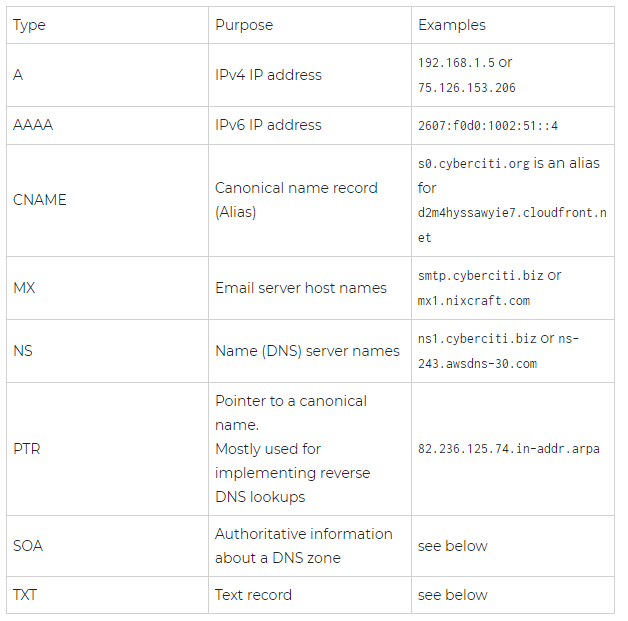
Dig is a component of the domain name server software suite dig supersedes in functionality older tools such as nslookup however the older tools are still used in complementary fashion In this example dig is used to query for type of record information in the domain example
Pre-crafted templates use a time-saving solution for developing a varied variety of documents and files. These pre-designed formats and designs can be utilized for various individual and expert projects, consisting of resumes, invites, leaflets, newsletters, reports, discussions, and more, simplifying the content creation procedure.
Dig Command Examples Windows

Top 12 Examples Of Linux Dig Command All About Testing

Using The Dig Command To Troubleshoot And Solve DNS Problems BENISNOUS
How To Resolve Dns Linux Effortbroad24

Linux Dig Command And Use Examples LinuxCommands site

Linux Dig Command Tutorial With Examples POFTUT

Dig Command The Most Common Use Cases In Examples

Using the dig command The basic usage of the dig command is to specify the domain name you want to look up and the type of record you want to query e g A for address records MX for MX records Let s see a couple of examples Find IP address of a website or domain A record dig example A Find IPv6 address of a domain AAAA record

Dig like functionality on windows Ask Question Asked 5 years ago Modified 2 years 11 months ago Viewed 27k times 12 On a windows system I m trying to gather all the IP addresses for a DNS name call a tool with each IP address I know how to do it from a shell script but not how to do it from a batch or powershell file

Check MX records for a domain dig mx example The following command returns NS records for the domain dig ns example The following command returns the PTR record for the IP address dig x 192 168 1 1 Dig Domain Information Groper is a useful DNS lookup utility for DNS troubleshooting

Ten useful dig command examples and cheat sheet The dig is a powerful CLI to find out information about domains and IP addresses without using any 3rd party tools or websites 01 What is the website s IP address dig apple 02 How do you identify the name servers associated with a domain dig NS apple short dig NS com short 03

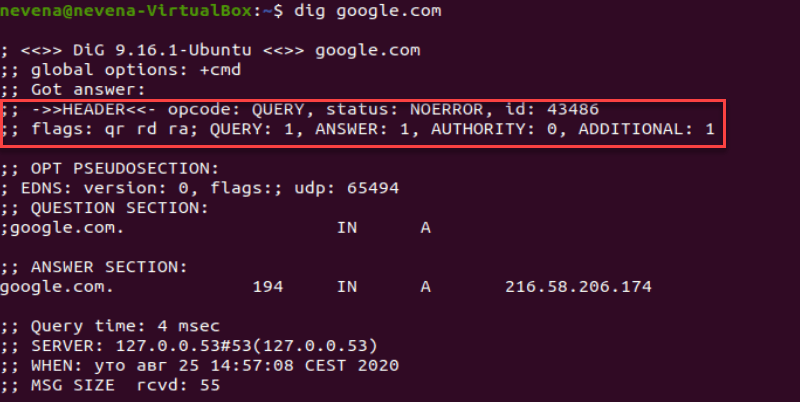
For example we can obtain the IP address of the domain for which we simply have to execute the command dig domain short To see more detailed and complete answers we have to execute the command dig domain noall answer We can see all the DNS records of a domain with the command dig domain ANY
name the name of the resource record that is to be looked up type the type of query requested by dig For example it can be an A record MX record SOA record or any other types By default dig performs a lookup for an A record if no type argument is specified How to Install dig on Linux dig is a robust command line tool developed by BIND for querying DNS nameservers It can identify IP address records record the query route as it obtains answers from an authoritative nameserver and diagnose other DNS problems what you read in this post Steps To Install Dig on Windows 10 Windows 11
Instead of dig use the delv command For example see cyberciti biz dnssec validation Run delv cyberciti biz and make sure you see the RRSIG and fully validated outputs Use dig to verify DNSSEC record run dig YOUR DOMAIN NAME dnssec short Grab the public key used to verify the DNS record execute dig DNSKEY YOUR DOMAIN NAME short