Difference Between Stack And Stack Pointer Stack Pointer YouTube Qu Es Stack stack Pointer Tipos Y Sus Aplicaciones Electrositio What Is The Difference Between Stack Pointer And Program Counter Explain Difference Between Stack And Queue Stack Vs Heap Memory What Are The Primary Key Differences I always think that there is only ONE stack and therefore only ONE stack pointer to that exists in MCUs and now i m confused of what these pointers are and what s the difference between theme and each of these is used for what stm32 stack stack pointer Share Cite Follow asked Oct 29 2018 at 18 11 Amin Rostami 929 3 12 30
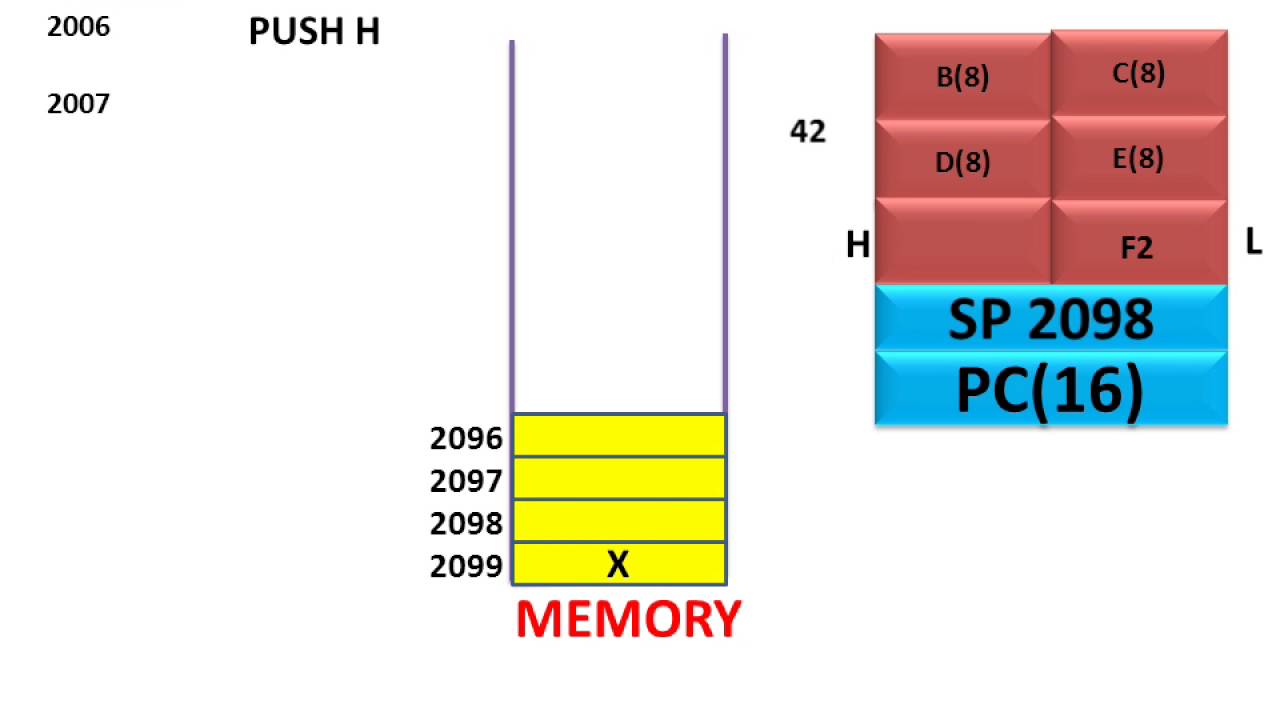
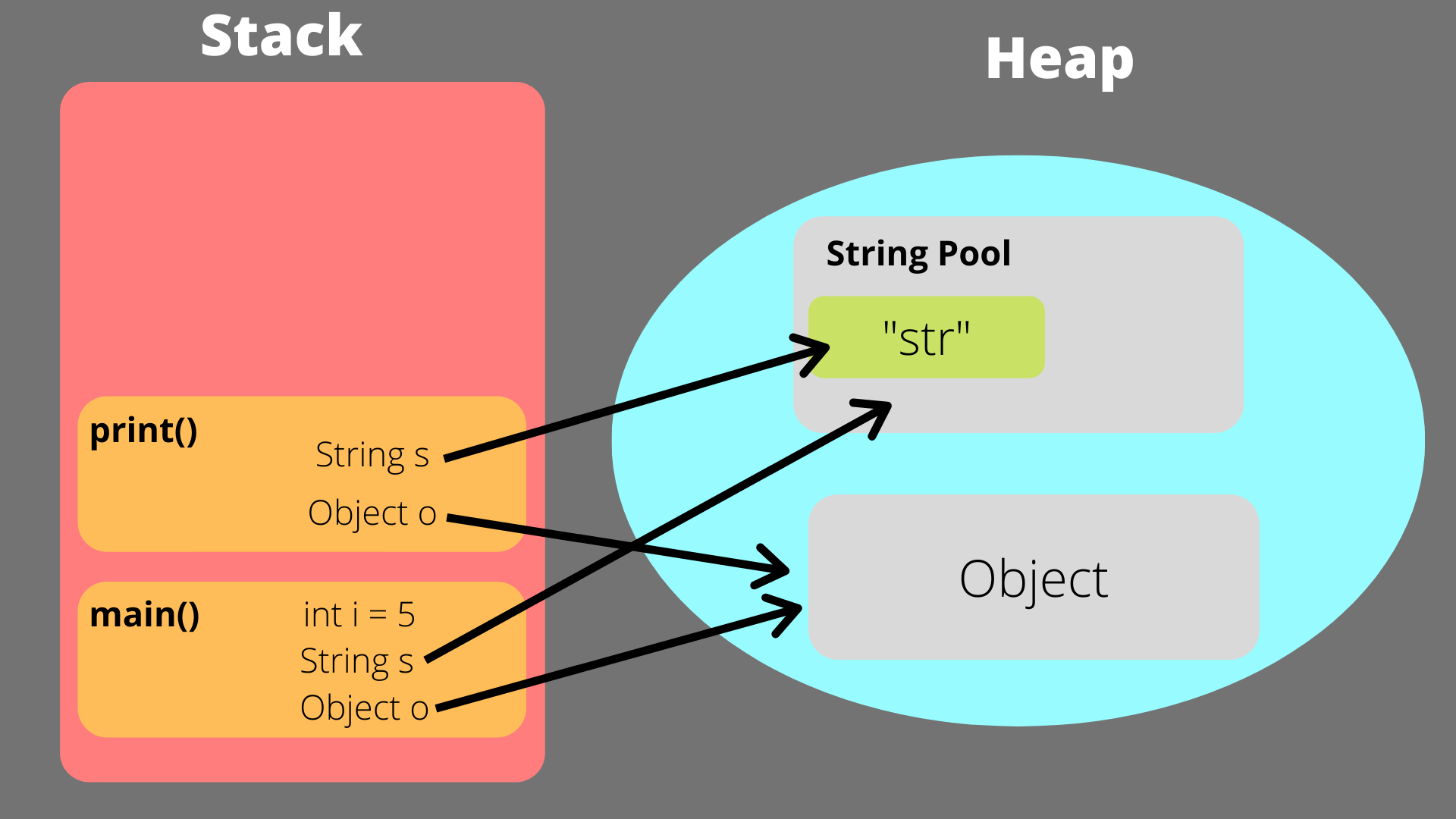
A stack pointer is a small register that stores the memory address of the last data element added to the stack or in some cases the first available address in the stack A stack is a specialized buffer that is used by a program s functions to store data such as parameters local variables and other function related information The stack and the heap The story starts with the early caveman programmers who were the first to learn the difference between two important memory locations the stack and the heap The stack is
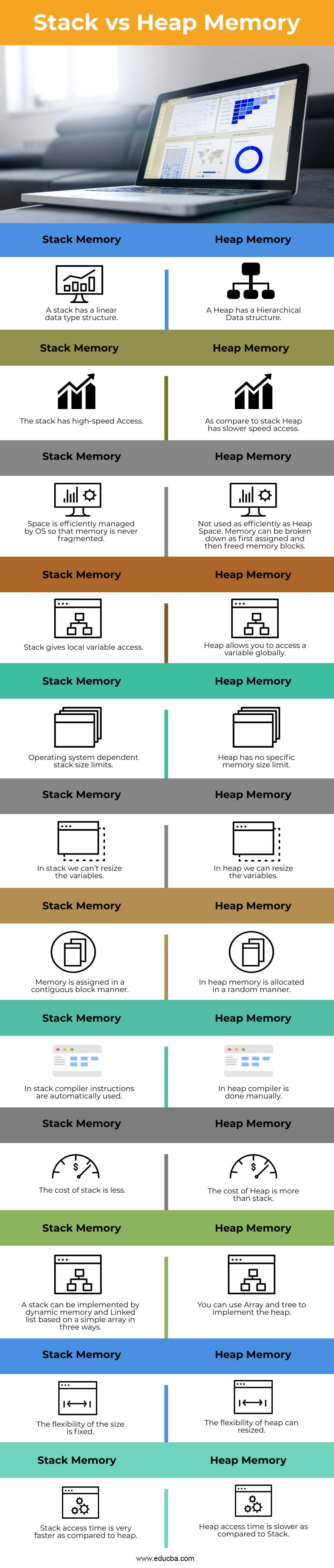
Stack Vs Heap Memory What Are The Primary Key Differences Difference Between Stack And Queue Data Structures Coding Ninjas Stack Vs Queue Fasleather What Are Stack And Heap Memory And How The Variables In A Program Are Where Is The Object In JAVA What Is Garbage Collector Stack Heap In What Is The Difference Between Stack Pointer And Program Counter Stack Pointer And Stack Basics Functionality And Uses Stack Pointer And Stack Basics Functionality And Uses Stack And Stack Pointer Testing By Simulating CALL And RET Instruction
Difference Between Stack And Stack Pointer
 Difference Between Stack And Stack Pointer
https://i.ytimg.com/vi/8nOl4WnwxbI/maxresdefault.jpg
What is a Stack A stack is a data structure or a storage device that follows LIFO or FILO i e Last in First Out or First In Last Out principle This means that the element that is inserted at last in a stack is removed first and vice versa For instance consider an empty stack shown below
Templates are pre-designed documents or files that can be used for various purposes. They can save time and effort by supplying a ready-made format and layout for creating various kinds of material. Templates can be used for individual or professional tasks, such as resumes, invites, leaflets, newsletters, reports, discussions, and more.
Difference Between Stack And Stack Pointer

The Difference Between Building Vent Stacks And Stack Vents
Difference Between Stack And Queue Data Structures Coding Ninjas
Stack Vs Queue Fasleather
What Are Stack And Heap Memory And How The Variables In A Program Are

What Is The Difference Between Stack Pointer And Program Counter

Stack Pointer And Stack Basics Functionality And Uses

The stack pointer points to the top of the stack which stores data on what we call a LIFO basis To steal someone else s analogy it s like a stack of dishes in which you put and take dishes at the top The stack pointer OTOH points to the top dish of the stack At least that s true for x86

The main difference between stack pointer and program counter is that the stack pointer is a register that stores the address of the last program request in a stack while the program counter is a register that stores the address of the next instruction to be executed from the memory Registers are small storage units built into the CPU

Why Stack and Stack Pointer Matters The Most January 24 2020 By WatElectronics The concept of stack came into limelight with the usage of terms bury and unbury where those corresponds to calling and returning from the subroutine functions

A A reserved reserved area area of of memory memory used used to to keep keep track track of of a a program s program s internal internal operations operations including including functions functions return return addresses addresses passed passed parameters parameters etc etc
Stack registers in x86 In 8086 the main stack register is called stack pointer SP The stack segment register SS is usually used to store information about the memory segment that stores the call stack of currently executed program SP points to current stack top By default the stack grows downward in memory so newer values are placed at lower memory addresses
A stack is a special region of memory that stores temporary data such as function call frames and local variables The stack pointer is a register that keeps track of the top of the stack which is the location in memory where the next function call frame or local variable will be stored Let s say we have the following C function When the stack pointer approaches 0 EMTY is set to 1 and the stack is empty This is where the element in location 1 is read out and the SP is decremented by one Also see What Is a Motherboard Memory Stack A stack may be implemented in a computer s random access memory RAM A stack is implemented in the CPU by allocating a chunk of
Since arrays in C can decays to pointer with the same data type and the name of the array can decays to the address of the array or the address of the first element the same we can write int ptr array ptr is new data type which poits to the array start