Difference Between Dpc And Dpm In Construction CHOOSING THE RIGHT TYPE OF DAMP PROOFING FOR YOUR CLIENT DPM Vs DPC Dampness Damp Construction Damp Proofing Construction Damp What Is The Difference Between DPC And DPM Interior Magazine What Is Damp Proof Course DPC DPC Materials Properties And What Is DPC Damp Proof Course Difference Between Vertical And UK Requirements for DPM Thickness The use of damp proof membrane in construction is regulated by British Standards which state that the sheet should be at least 1200 gauge or 300 micrometres Using a thinner sheet could mean your building doesn t comply with regulations and it can be a costly fix so 1200 is always recommended
A DPC is a way of coating a layer of brickwork and other masonry to prevent moisture from rising into the wall and causing damage through capillary action What is capillary action Capillary action which can also be referred to as wicking is when water is drawn through narrow channels often upwards A damp proof membrane DPM is a type of membrane material is used to prevent dampness from occurring through capillary action It is often used underneath a concrete floor to stop it from gaining moisture A damp proof membrane can also be placed above the concrete in the walls in conjunction with a damp proof course DPC
What Is DPC Damp Proof Course Difference Between Vertical And DPC And DPM Cornwall Building Supplies What Is DPC Damp Proof Course DPC Material And Detailed What Is PCC DPC And RCC In Civil Engineeringengineering RCC And PCC Different Methods Of Damp Proofing DPC Polythene How To Lay A DPC YouTube Building Guidelines Concrete Floors Slabs Pavingexpert AJ McCormack And Son Damp Proof Courses Laying A
Difference Between Dpc And Dpm In Construction
 Difference Between Dpc And Dpm In Construction
https://www.woodensupplies.co.uk/wp-content/uploads/2021/10/AdobeStock_296505371-scaled.jpeg
Damp proofing A metal damp proof course DPC between the stone foundation and brick wall Damp proofing in construction is a type of moisture control applied to building walls and floors to prevent moisture from passing into the interior spaces Dampness problems are among the most frequent problems encountered in residences
Pre-crafted templates provide a time-saving option for creating a varied series of files and files. These pre-designed formats and designs can be made use of for different individual and expert projects, including resumes, invitations, leaflets, newsletters, reports, presentations, and more, improving the content production procedure.
Difference Between Dpc And Dpm In Construction
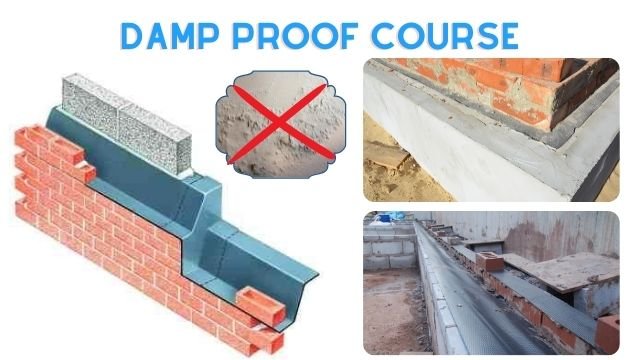
What Is DPC Damp Proof Course DPC Material And Detailed

DPC And DPM Cornwall Building Supplies

What Is DPC Damp Proof Course DPC Material And Detailed

What Is PCC DPC And RCC In Civil Engineeringengineering RCC And PCC
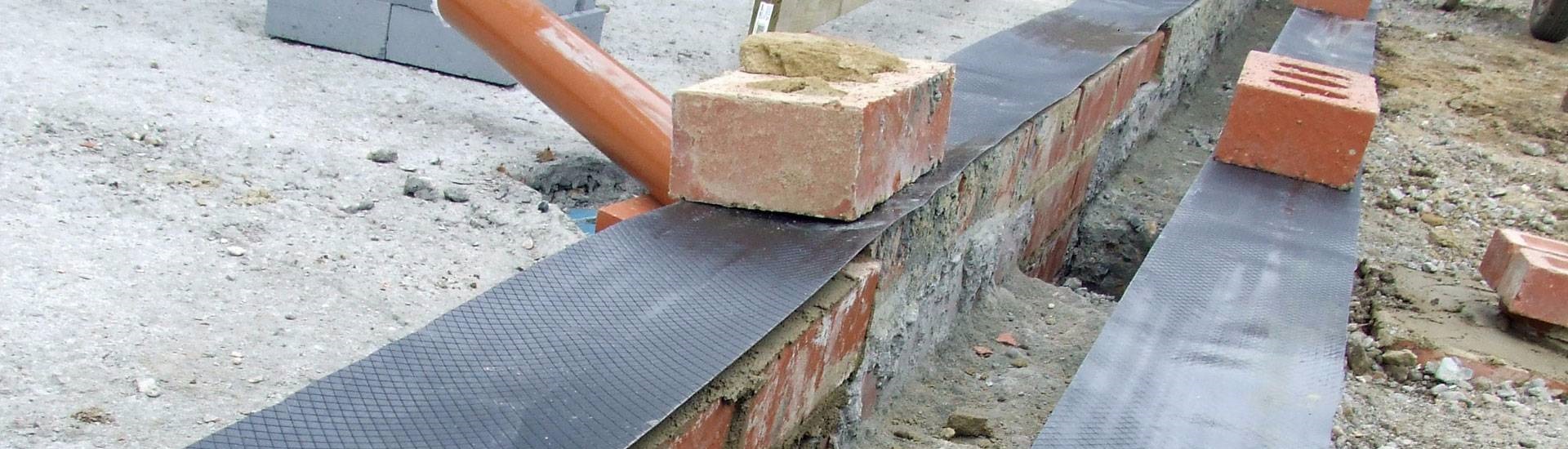
DPC Polythene
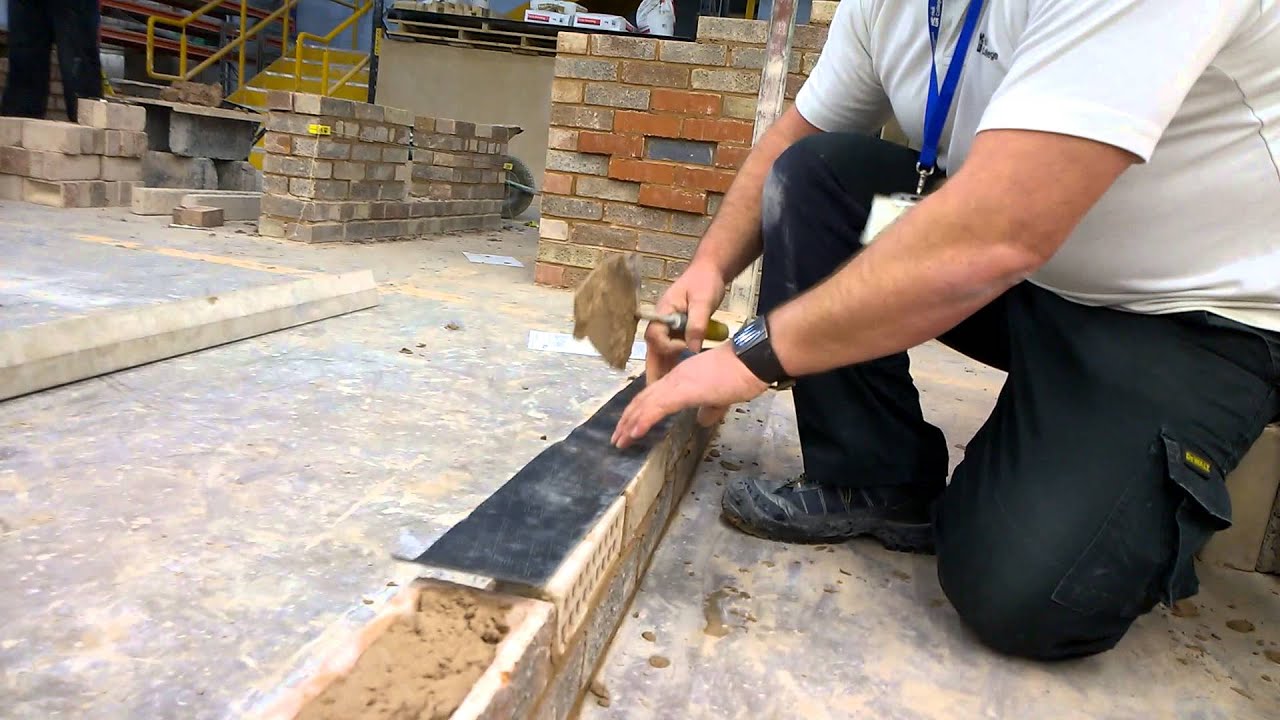
How To Lay A DPC YouTube

Finally our exploration culminates in unraveling the distinctions between DPC and DPM dispelling any lingering confusion surrounding their roles and applications By understanding these differences construction professionals can make informed decisions ensuring that the right damp proofing strategies are employed in the right contexts

How Does a Damp Proof Membrane Work DPMs work by creating an impermeable barrier that prevents water or moisture from seeping into the building Installers place them between the building s structure and the surrounding ground or external elements

1 DPC above ground level For DPC above ground level with wall thickness generally not exceeding 40 cm any one of the types of materials mentioned above may be used Cement concrete is however commonly adopted material for DPC at plinth level 38 to 50mm thick layer of cement concrete M15 1 2 4 mix serves the purpose under normal conditions

We have come a long way since the old days of bitumen and slate Damp Proof Courses DPC with these and Damp Proof Membrane DPM now made from much more effective materials like polyethene and visqueen so they last longer and provide greater protection
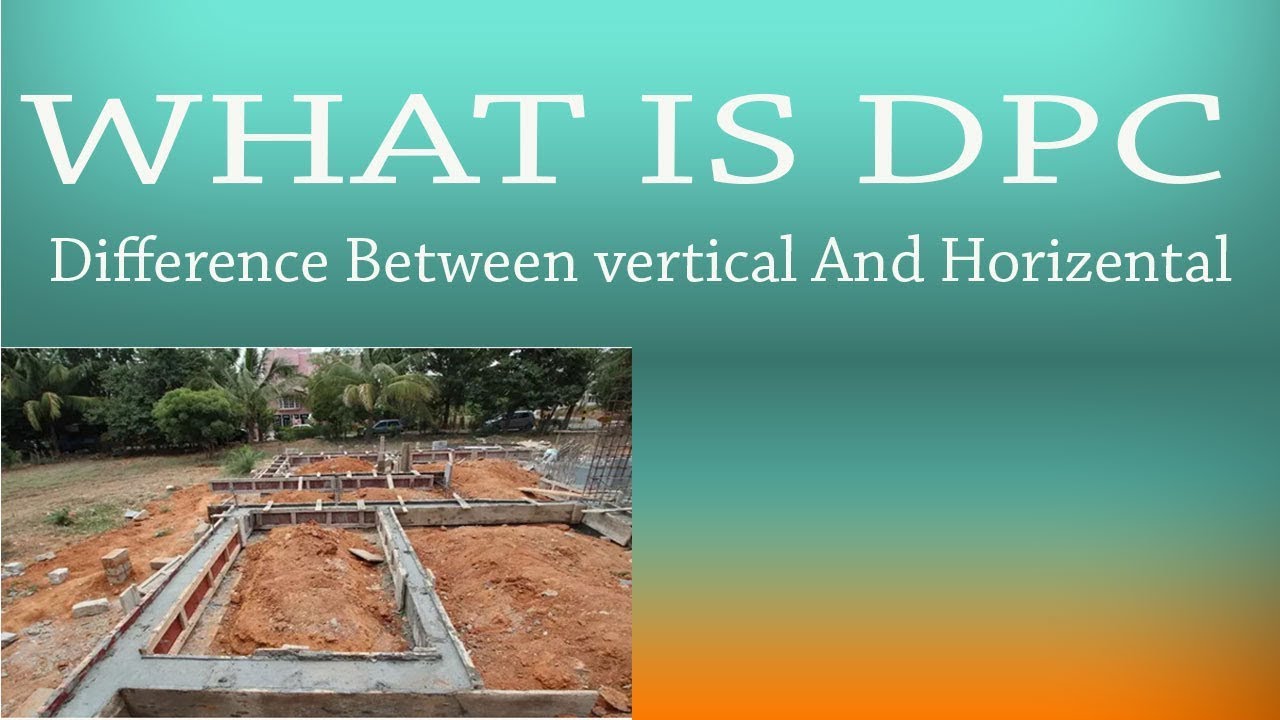
Other Types of Membranes You may have heard of two terms describing moisture control layers damp proof courses and breathable membranes Damp Proof Course DPC DPCs are inserted into brick or block walls usually at ground floor level and around door and window openings
The following are different types of DPC and their thickness used in construction 1 Damp Proof Course Injection This system of the Damp Proof Course involves fluid or liquid being injected into the wall to stop the dampness from the ground from rising above the damp proof course acting as a water repelling layer It is usually abbreviated to DPC and in most buildings less than 30 years old it consists of a DPM which is a Damp Proof Membrane an impermeable layer of material most often a polyethylene or bitumen polymer that is laid in the bedding joint between two courses of bricks
A Horizontal Damp Proof Course D P C is positioned in both internal and external leaves of a cavity wall at a level that is no lower than 150mm above finished ground level as required by the Building Regulations Flexible D P C is laid on to a fresh bed of mortar approximately 5mm thick and should cover the whole length and width of the wall