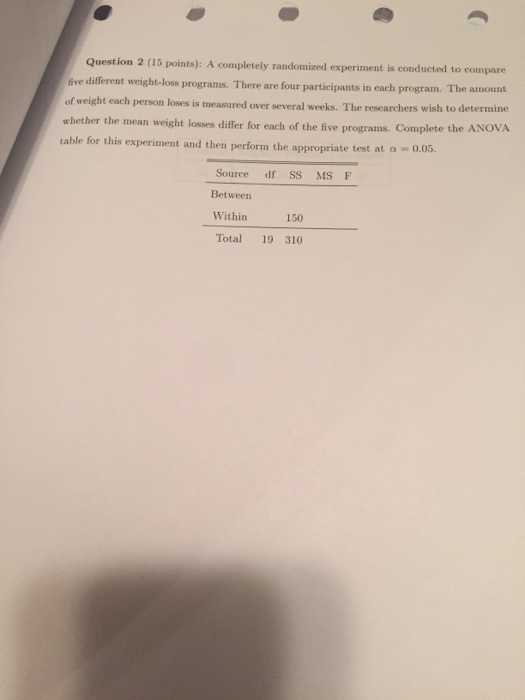
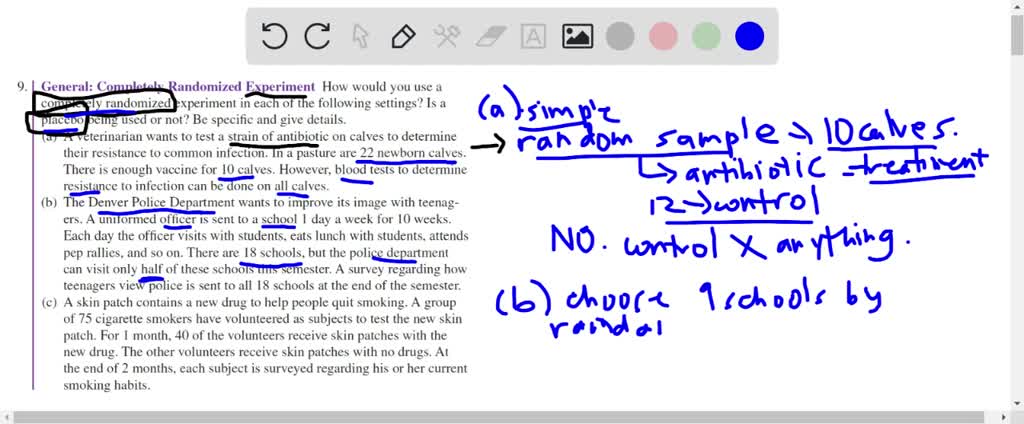
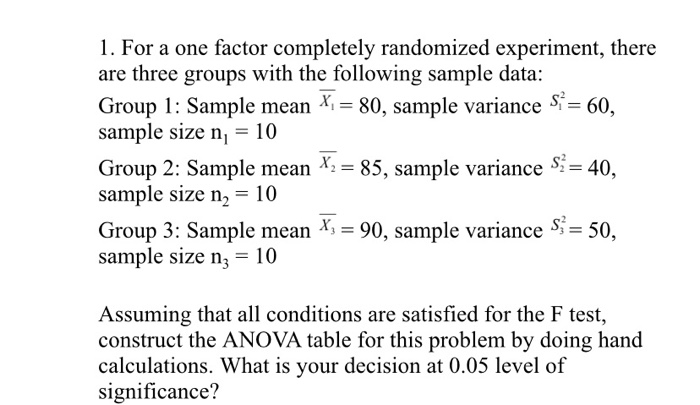
Completely Randomized Experiment Definition Statistics Statistics Module 13 V2 Single Factor ANOVA Completely Randomized Solved A Completely Randomized Experiment Is Conducted To Chegg Blind Experiment Definition BLINDS SOLVED General Completely Randomized Experiment How Would You Use A Solved 1 For A One Factor Completely Randomized Experiment Chegg The randomization design addresses how the treatments are assigned to experimental units Overall the experimental design sets the stage in collecting data systematically and also dictates the statistical model to be used and the ANOVA related calculations 7 1 Experimental Unit and Replication The difference between experimental units and
In science randomized experiments are the experiments that allow the greatest reliability and validity of statistical estimates of treatment effects Randomization based inference is especially important in experimental design and in survey sampling Overview The completely randomized design is probably the simplest experimental design in terms of data analysis and convenience With this design participants are randomly assigned to treatments A completely randomized design for the Acme Experiment is shown in the table below Treatment Placebo Vaccine 500 500 In this design the experimenter
Solved 1 For A One Factor Completely Randomized Experiment Chegg Experimental Designs 1 Completely Randomized Design 2 Randomized Font Paragraph Low Would You Use A Completely Randomized Experiment In Solved 10 Following The Analysis Of A Well designed Chegg The Thickness Of A Plastic Film in Mils On A Sub Chegg Completely Randomized Design Randomized Block Design Part 2 YouTube Chapter 1 Experimental Design A Guide To Planning Effective Experiments Learn
Completely Randomized Experiment Definition Statistics
 Completely Randomized Experiment Definition Statistics
https://i.ytimg.com/vi/IoUhxEzzeWY/maxresdefault.jpg
A completely randomized design is a type of experimental design where the experimental units are randomly assigned to the different treatments It is used when the experimental units are believed to be uniform that is when there is no uncontrolled factor in the experiment HISTORY See design of experiments EXAMPLES
Templates are pre-designed documents or files that can be utilized for various purposes. They can save effort and time by providing a ready-made format and layout for creating various type of content. Templates can be utilized for individual or expert jobs, such as resumes, invites, leaflets, newsletters, reports, discussions, and more.
Completely Randomized Experiment Definition Statistics

Randomized Experiment YouTube
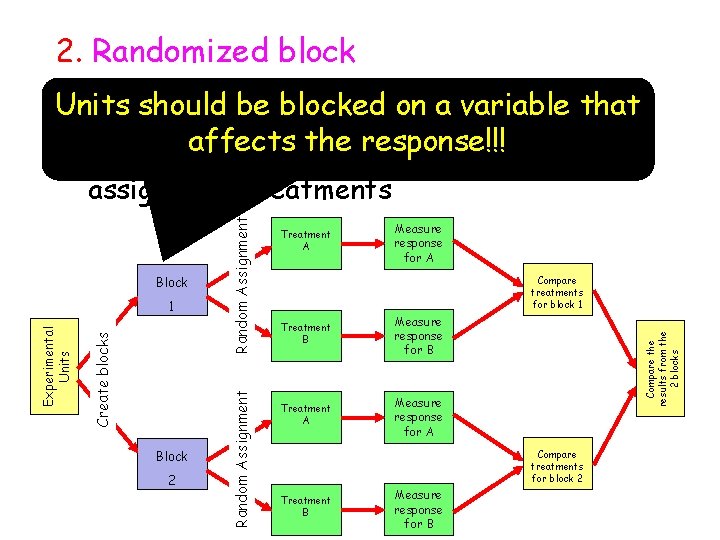
Experimental Designs 1 Completely Randomized Design 2 Randomized

Font Paragraph Low Would You Use A Completely Randomized Experiment In
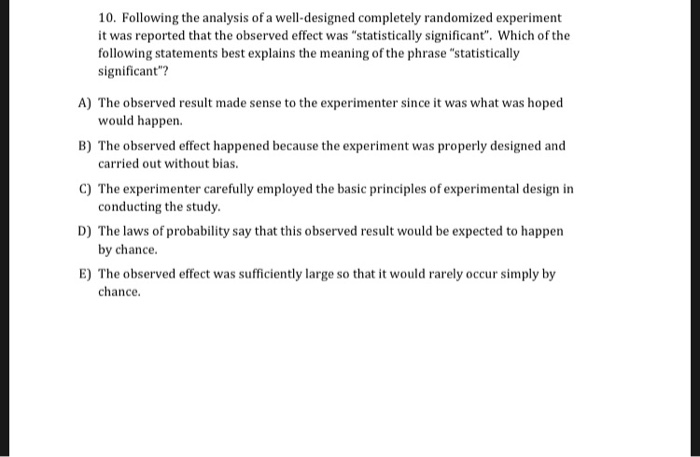
Solved 10 Following The Analysis Of A Well designed Chegg

Completely Randomized Design
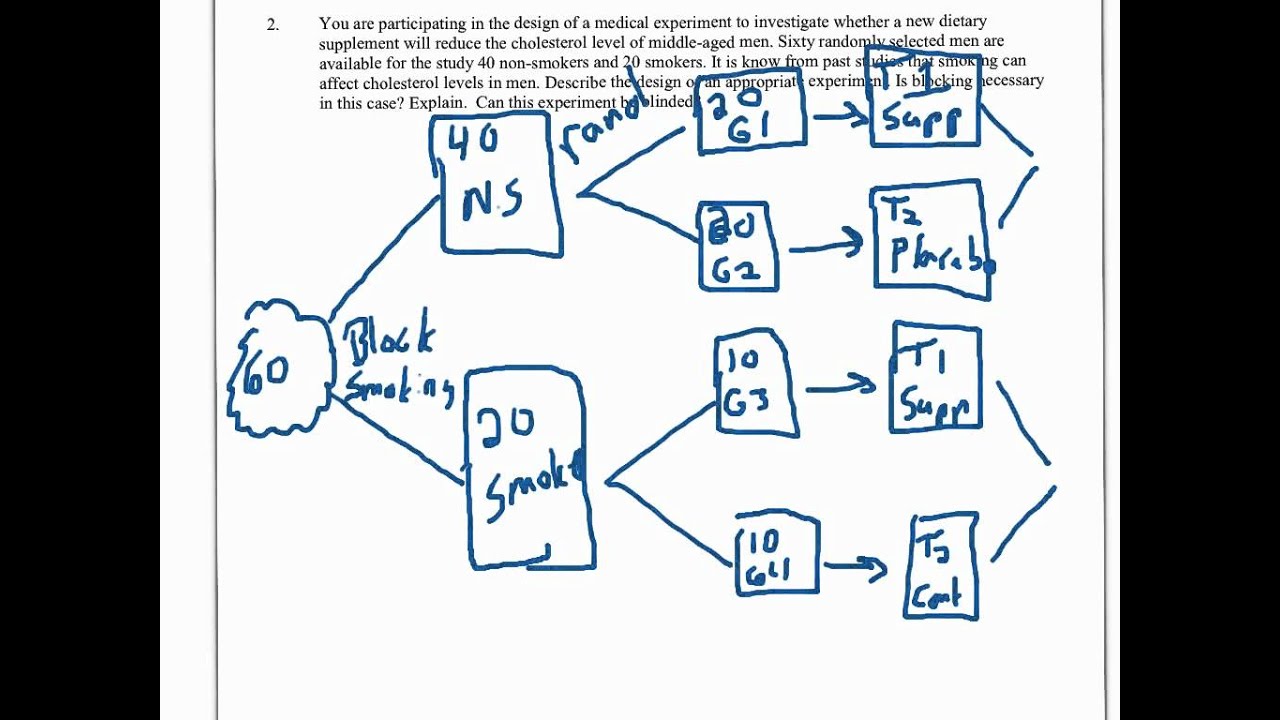
Randomized Block Design Part 2 YouTube

In the design of experiments completely randomized designs are for studying the effects of one primary factor without the need to take other nuisance variables into account This article describes completely randomized designs that have one primary factor
1 the variation due to the treatments and 2 the variation due to blocks The remaining unassignable variation is used for estimating experimental error and is the variation among units treated alike within a block
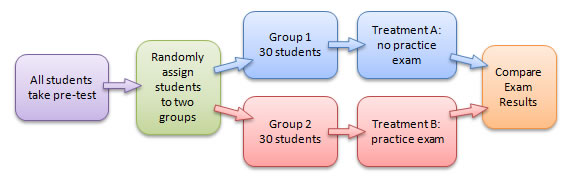
A randomized experiment involves randomly splitting a group into smaller groups one group the treatment group receives the intervention and one does not the control group The researcher selects the assignment mechanism which is also random
An experiment is a data collection procedure that occurs in controlled conditions to identify and understand causal relationships between variables Researchers can use many potential designs The ultimate choice depends on their research question resources goals and constraints
For completely randomized designs the levels of the primary factor are randomly assigned to the experimental units By randomization we mean that the run sequence of the experimental units is determined randomly
Experiments The CRD is best suited for experiments with a small number of treatments Randomization Procedure Treatments are assigned to experimental units completely at random Every experimental unit has the same probability of receiving any treatment Randomization is performed using a random number table computer program etc A completely randomized design CRD is an experiment where the treatments are assigned at random Every experimental unit has the same odds of receiving a particular treatment This design is usually only used in lab experiments where environmental factors are relatively easy to control for it is rarely used out in the field where
In a randomized experiment the researcher manipulates values of the explanatory variable and measures the resulting changes in the response variable The different values of the explanatory variable may be called treatments An experimental unit is a single object or individual to be measured