Backdoor 2 5 1 Explained 2 5 1 Explained Jazz Guitar For absolute Beginners YouTube Backdoor Ver La Serie Online Completas En Espa ol 2 5 1 Explained In 60 Seconds sort Of shorts YouTube What Is Backdoor Explanation And How To Resolve Matob R 2 5 1 Explained In 60 Seconds sort Of shorts YouTube Classical ii V I in Bach s WTC I Prelude in D major 5 A ii V I progression is part of the vi ii V I progression of root movement by descending fifths which establishes tonality and also strengthens the key through the contrast of minor and major
A backdoor progression in the key of C maj is made of an Fm7 chord to a Bb7 chord and finally to a C maj7th chord It s called a backdoor progression because unlike a standard II V I resolution it approaches the tonic chord C maj from Bb7th chord which is a tone below the root Updated today Five Jazz Piano Exercises for 2 5 1 voicings beginner to advanced Stephan Pareigis 254K views 10 years ago
2 5 1 Explained In 60 Seconds sort Of shorts YouTube Basketball Offense 1 4 Backdoor 2 Backdoor Level 1 Trailer YouTube Backdoor YouTube Here s Why Tape Will Always Surpass Hard Drives And SSDs In Storage Mega Backdoor Roth Ira Explained Inflation Protection Here s How Beginners Approach The 2 5 1 Chord Progression Hear And 2 5 1 Chord Progression What You Need To Know FreshSheetMusic Blog The Backdoor Progression Explained On Guitar
Backdoor 2 5 1 Explained
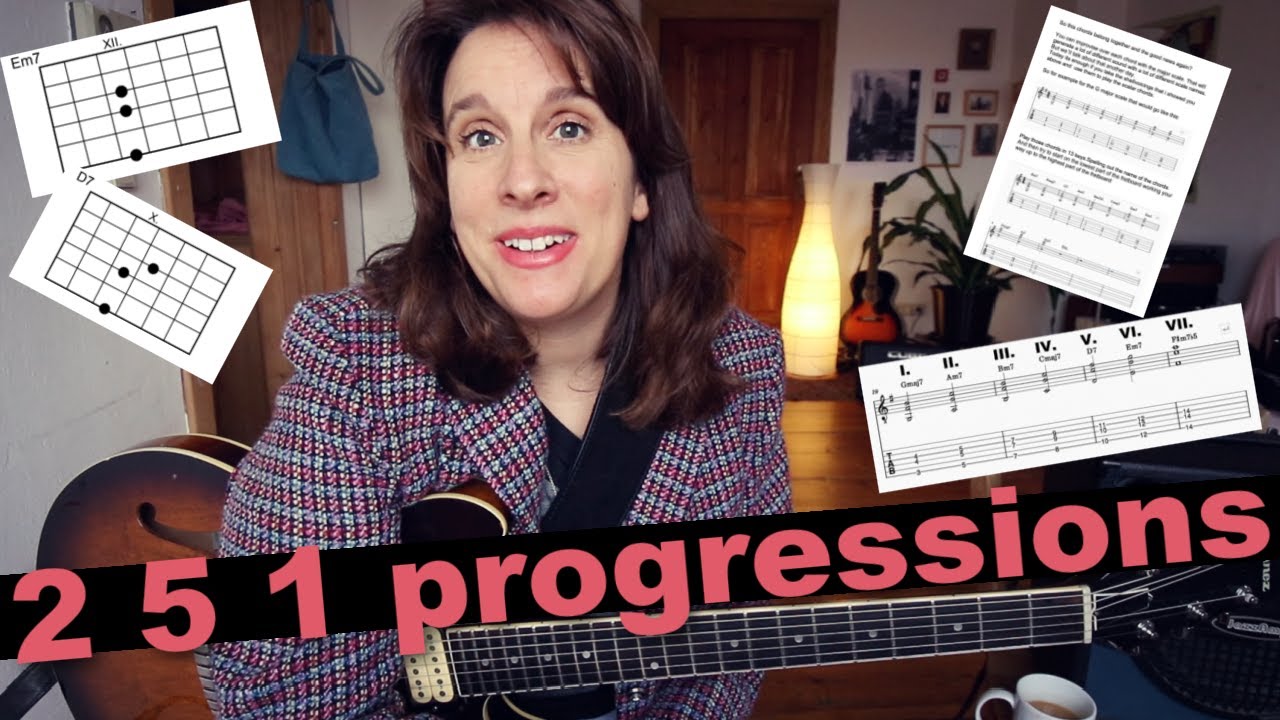 Backdoor 2 5 1 Explained
https://i.ytimg.com/vi/cCEdBL5F28k/maxresdefault.jpg
While your building your jazz theory and transposition skills I wanted to give you a reference guide you can use for practicing the ii V I in any key So I ve created a handy 2 5 1 progression cheat sheet you can use as a reference to help you practice your patterns in all 12 keys You should still make it a goal of memorizing
Templates are pre-designed documents or files that can be utilized for various purposes. They can conserve time and effort by supplying a ready-made format and layout for developing various sort of content. Templates can be used for personal or expert projects, such as resumes, invites, leaflets, newsletters, reports, presentations, and more.
Backdoor 2 5 1 Explained

GTt7l2gW6po2obfbyRMAqADEp3vh9zyPyMP5PO06jXNhlb P0kAWz a
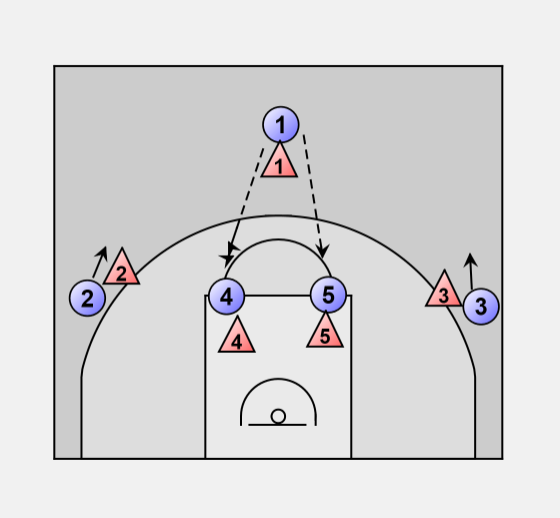
Basketball Offense 1 4 Backdoor 2
Backdoor Level 1 Trailer YouTube
Backdoor YouTube

Mega Backdoor Roth Ira Explained Inflation Protection

Here s How Beginners Approach The 2 5 1 Chord Progression Hear And

In this post I want to focus on one of the most common pieces of non diatonic harmonic vocabulary in jazz the backdoor chord progression Let s review the terms and concepts here before looking at some strategies for practicing the backdoor progression

The Backdoor ii V Progression by Anton Schwartz If you play jazz music you know how a standard ii V I progression works a Dm 7 chord followed by a G 7 chord resolves to a C chord We also hear a lot about the Tritone Substitution ii V in which the Dm 7 and G 7 resolve instead to the key of F Well there is

The backdoor 2 5 Progression explained Jazz Harmony Lesson using Berklee harmony Misty Download the workbooks here https mdecks jazzharmony phtmlThe
A backdoor progression sometimes referred to as a back door cadence or when used more specifically backdoor ii V is one of these options Why Backdoor The backdoor refers to a particular chord position in relation to the tonic or I chord

Get the free PDF https www davepollack backdoor251Other 2 5 1 videos https www youtube watch v OySLtfzPY4Q t 92shttps www youtube watch v
The Backdoor Progression is a tritone substitution of the Frontdoor Progression This means all these chord progressions are a ii V or a tritone substitution of a ii V leading to the I or a median note substitution of the I Also notice the root of each dominant chord creates a diminished arpeggio G B D E Dominant Diminished The II V I is a chord progression that starts on II Dm7 goes to V G7 and resolves to I Cmaj7 So the II V I is a short progression to take us to the C major If you play the chords of a II V I a little closer
The 2 5 1 feels like an ending because it ends on the I chord so it s essentially a totally surefire way of navigating any chord progression back to the I chord resulting in a feeling of arriving home A