Affinity And Anti Affinity Specifications IC 2948 Telescope Live Use Affinity And Anti affinity Rules To Guide VM Behavior TechTarget Kubernetes Affinity And Anti Affinity Vs NodeSelector Examples YouTube VCloud Director Affinity Rules And The DrsShellVM Dave Lee Kubernetes Node Affinity Examples Instructions Kubernetes node affinity is an advanced scheduling feature that helps administrators optimize the distribution of pods across a cluster This article will review scheduling basics Kubernetes node affinity and anti affinity pod affinity and anti affinity and provide practical examples to help you get comfortable using this cluster scheduling
Nov 9 2022 What Is Pod Affinity and Anti Affinity Affinity and Anti Affinity Kubernetes is a distributed system that s designed to scale replicas of your services across multiple Kubernetes Node Affinity is successor of nodeSelector Node affinity rules are used to influence which node a pod is scheduled to In the earlier K8s versions the node affinity mechanism was implemented through the nodeSelector field in the pod specification The node had to include all the labels specified in that field to become eligible for
Kubernetes Node Affinity Examples Instructions China Customized 3 Ton Engine Forklift Suppliers Manufacturers Factory Wholesale Price MAXBULL The Guide To Kubernetes Affinity By Example Alpha Centauri Telescope Live VM Host Affinity Rules VThinkBeyondVM Anti affinity CloudXC Overview Affinity Group Tutorial Private Cloud Tutorials ZStack 3 10 0 ZStack Creating VMs To The Host Affinity Rules VMware VSphere 5 5 Cookbook SQUIER AFFINITY TELE SPECIFICATIONS Pdf Download ManualsLib
Affinity And Anti Affinity Specifications
 Affinity And Anti Affinity Specifications
https://telescope.live/sites/default/files/styles/photo_main/public/2021-05/IC2948.jpg?itok=afCTtdpq
The affinity and anti affinity feature greatly expands the types of constraints you can express Kubernetes supports node level and pod level affinity and anti affinity You can configure custom rules to achieve affinity and anti affinity scheduling
Templates are pre-designed documents or files that can be utilized for different functions. They can conserve effort and time by supplying a ready-made format and design for developing different type of material. Templates can be used for individual or professional jobs, such as resumes, invitations, flyers, newsletters, reports, discussions, and more.
Affinity And Anti Affinity Specifications
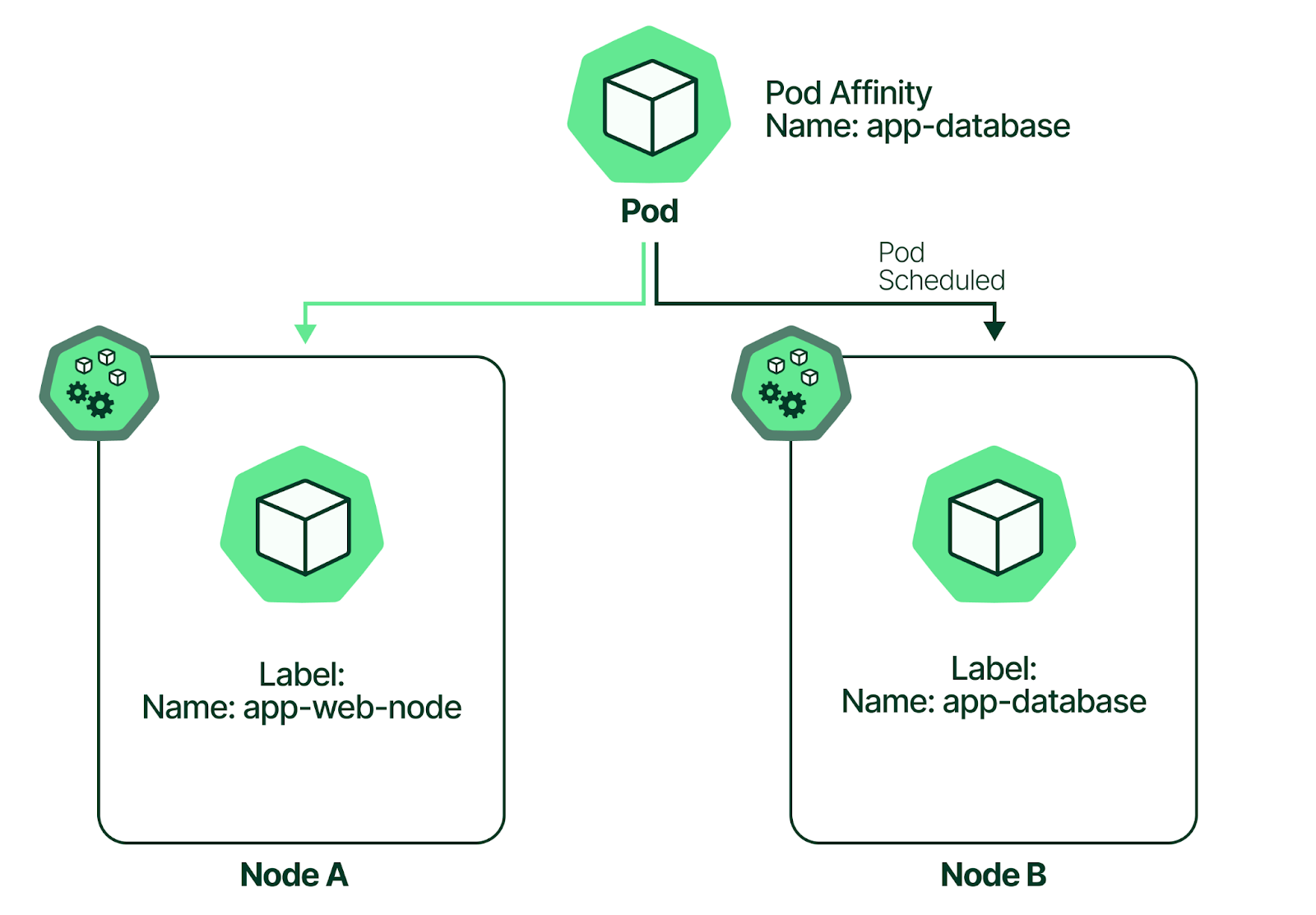
Kubernetes Node Affinity Examples Instructions

China Customized 3 Ton Engine Forklift Suppliers Manufacturers Factory Wholesale Price MAXBULL

The Guide To Kubernetes Affinity By Example

Alpha Centauri Telescope Live

Anti affinity CloudXC

Overview Affinity Group Tutorial Private Cloud Tutorials ZStack 3 10 0 ZStack

A Pod that has an affinity to a given Node is more likely to be scheduled to it conversely an anti affinity makes it less probable it ll be scheduled The overall balance of these weights is used to determine the final placement of each Pod Affinity assessments can produce either hard or soft outcomes

Affinity rules in Kubernetes allow us to specify that certain pods should be scheduled together on the same node node affinity or within the same topology inter pod affinity like a

For more information see Affinity and anti affinity Inter pod affinity and anti affinity One final approach for the Kubernetes scheduler to logically isolate workloads is using inter pod affinity or anti affinity These settings define that pods either shouldn t or should be scheduled on a node that has an existing matching pod By default
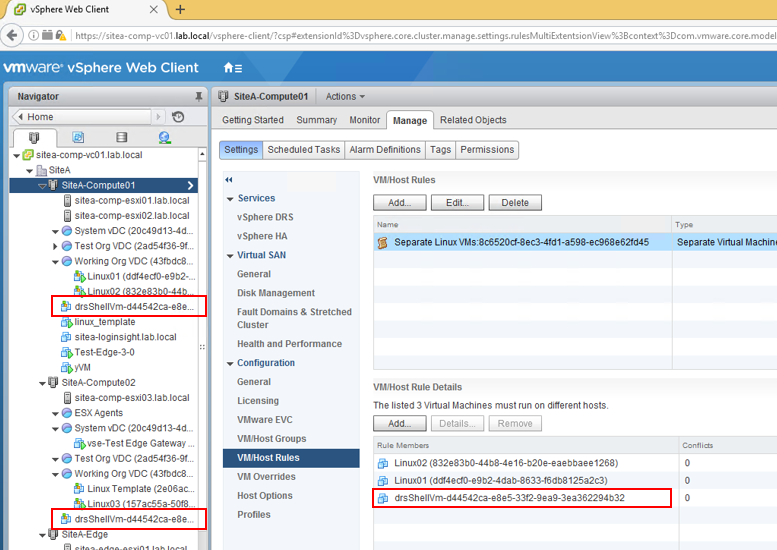
In this post we discuss how taints and tolerations node affinity and pod affinity anti affinity work and can be used to instruct the Kubernetes scheduler to place pods on nodes that fulfill their special needs

In general affinity enables the Kubernetes scheduler to place a pod either on a group of nodes or a pod relative to the placement of other pods To control pod placements on a group of nodes a user needs to use node affinity rules
Container Affinity and Anti Affinity Introduction Some policies allow the user to give hints about how particular containers should be co located within a node In particular these hints express whether containers should be located close to each other or far away from each other in a hardware topology sense Since these hints are interpreted always by a particular policy Affinity is a rule you would set up that establishes a relationship between two or more roles i e virtual machines resource groups and so on to keep them together AntiAffinity is the same but is used to try to keep the specified roles apart from each other Failover Clusters use AntiAffinity for its roles
Affinity and anti affinity explained By Scott D Lowe August 1 2013 In vSphere the Distributed Resource Scheduler is a great service to use to automate vSphere s ability to balance workloads in ways that make sense from a resource perspective