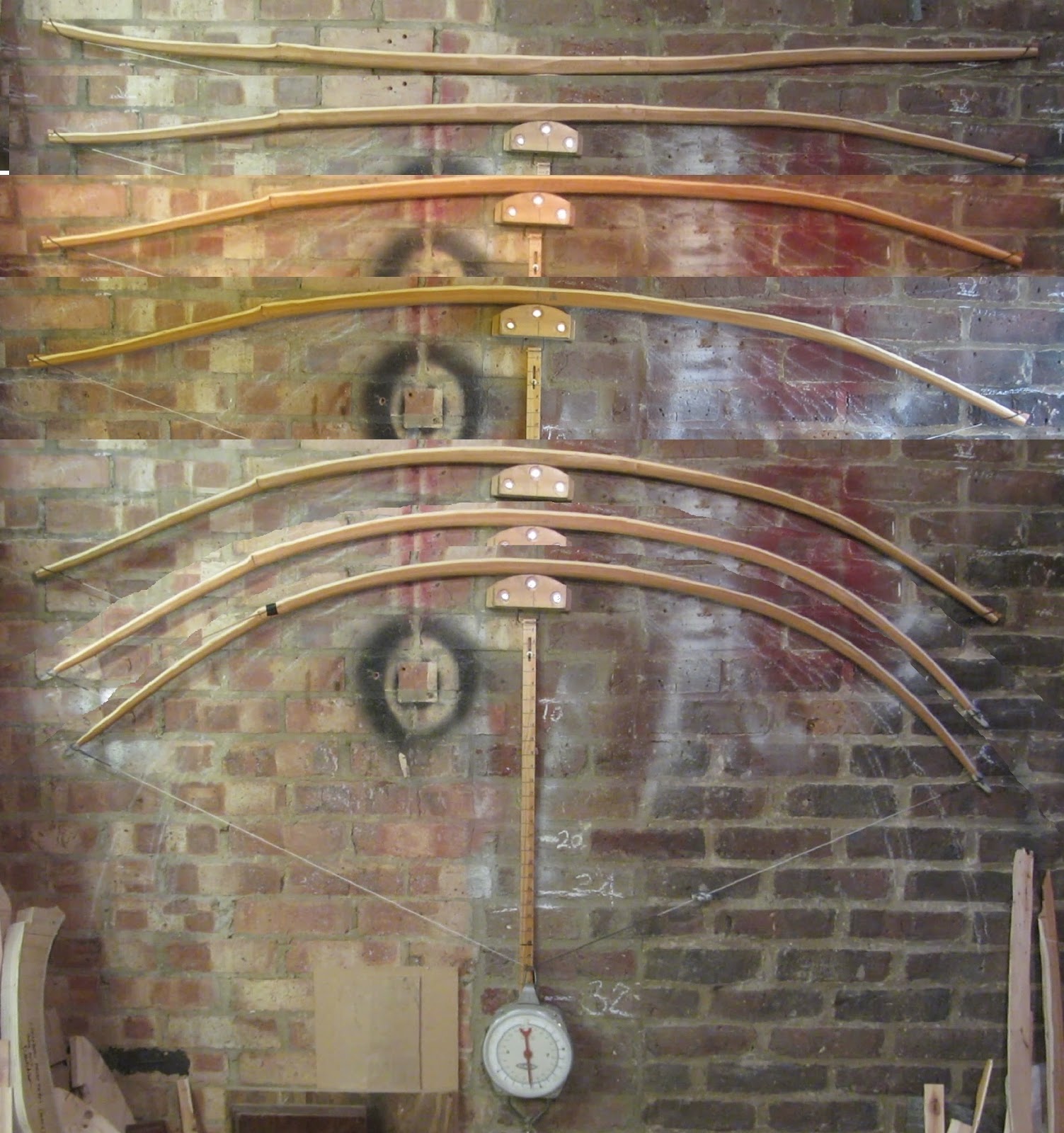
3 5 8 12 Sequence Myth Busters Laith Al Ghanem s E portfolio Uzupelnij Prosze O Pomoc Brainly pl Responsabilidad Y Sus Reg menes Del Estado Bowyer s Diary Warbow Tiller Sequence 10 What is an arithmetic Sequence An arithmetic sequence is a sequence of numbers in which each term is obtained by adding a fixed number to the previous term It is represented by the formula a n a 1 n 1 d where a 1 is the first term of the sequence a n is the nth term of the sequence and d is the common difference which is obtained by
Ian Pulizzotto Actually the explicit formula for an arithmetic sequence is a n a n 1 D and the recursive formula is a n a n 1 D instead of a n a D n 1 The difference is than an explicit formula gives the nth term of the sequence as a function of n alone whereas a recursive formula gives the nth term of a sequence as a An arithmetic sequence uses addition subtraction of a common value to create the next term in the sequence A geometric sequences uses multiplication division of a common value to create the next term in the sequence Hope this helps Learn for free about math art computer programming economics physics chemistry biology medicine finance
10 Fibonacci Sequence Numbers Bastastone 3 5 8 12 Missing Numbers Math Worksheets Preschool Math Worksheets Missing Numbers Number Worksheets Math For Kids Math Worksheets Sequence Diagram Administrator Admin Be Seated Maths GEOMETRIC PROGRESSION Television Lesson Plans And Lesson Ideas BrainPOP Educators
3 5 8 12 Sequence
 3 5 8 12 Sequence
https://lalghanem.weebly.com/uploads/3/8/8/1/38819997/2876613_orig.jpg
To find a missing number in a Sequence first we must have a Rule Sequence A Sequence is a set of things usually numbers that are in order Each number in the sequence is called a term or sometimes element or member read Sequences and Series for a more in depth discussion Finding Missing Numbers To find a missing number first find a Rule behind the Sequence
Pre-crafted templates offer a time-saving option for developing a varied range of documents and files. These pre-designed formats and layouts can be utilized for various personal and professional tasks, consisting of resumes, invites, flyers, newsletters, reports, discussions, and more, simplifying the content development process.
3 5 8 12 Sequence
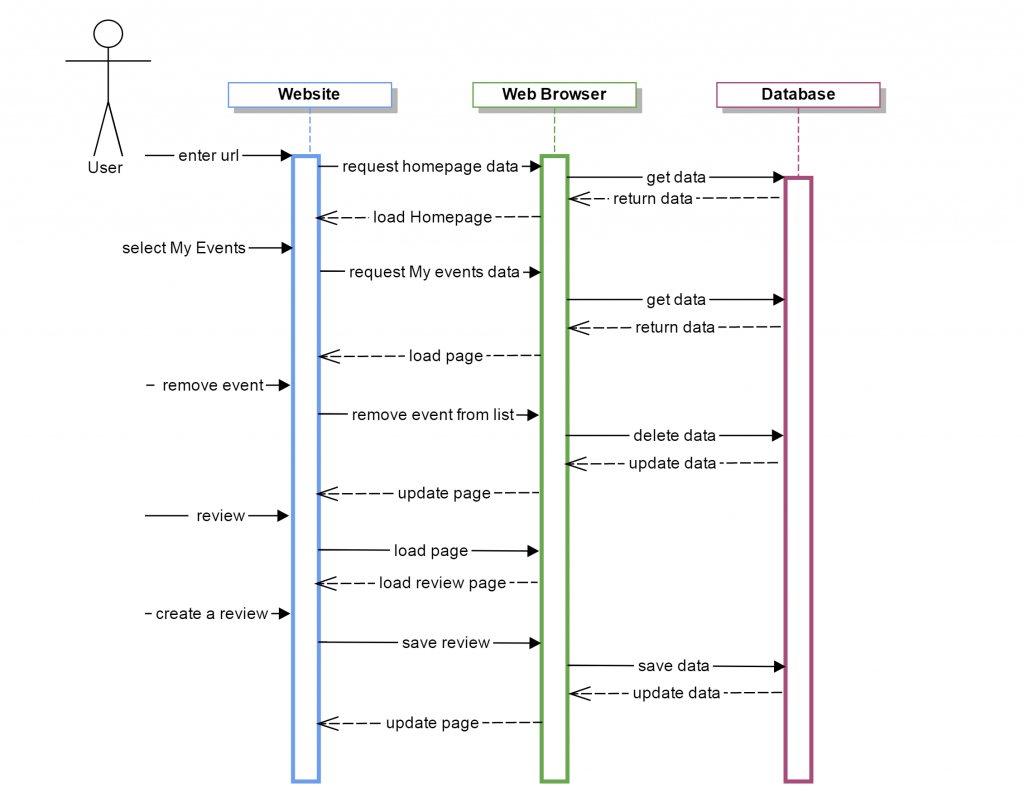
Sequence Diagram User Create A Review Be Seated

Fibonacci Sequence Numbers Bastastone

3 5 8 12
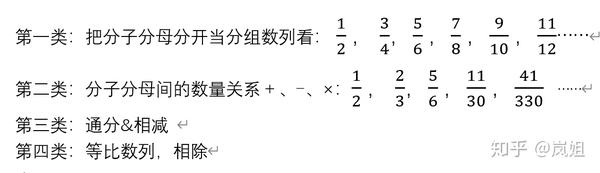

Missing Numbers Number Worksheets Math For Kids Math Worksheets
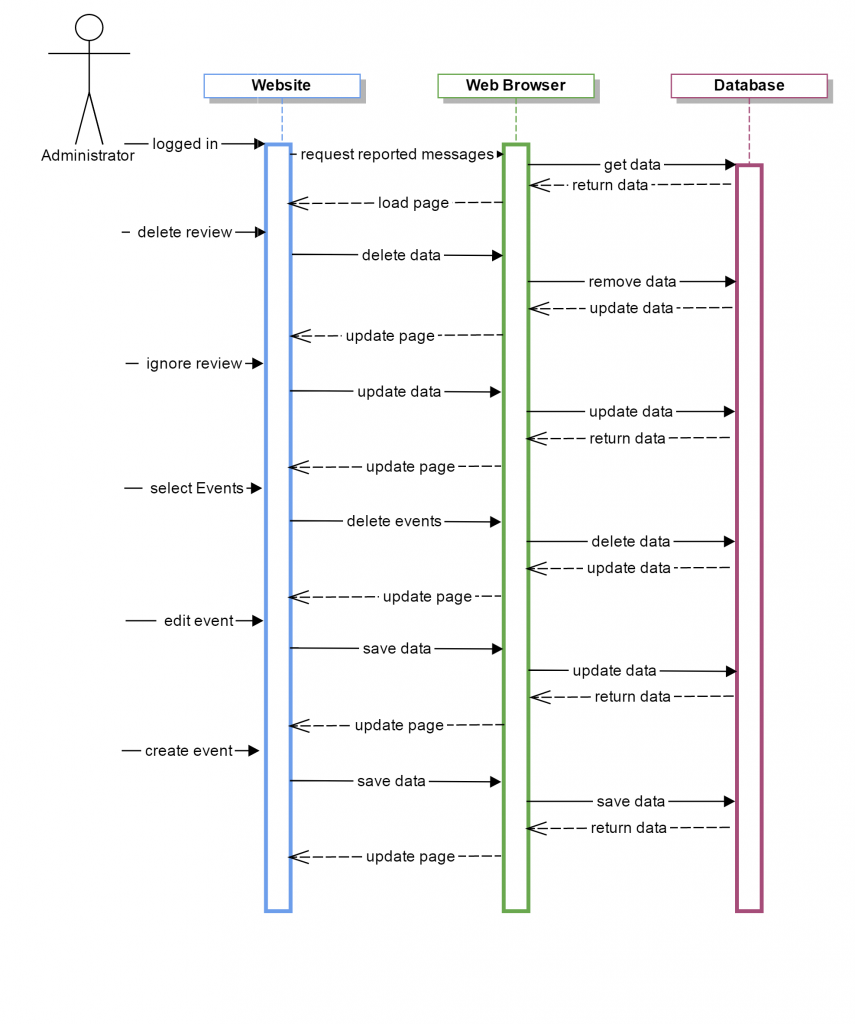
Sequence Diagram Administrator Admin Be Seated

A numerical sequence is an ordered enumerated list of numbers where The order in which the numbers appear matters Repetition is allowed and Each term can be considered the output of a function where instead of an argument we specify a position The terms of a sequence are usually represented by the letter a a a followed by the position or index as subscript

Third term 3 4 12 Fourth term 4 8 32 Fifth term 5 16 80 Such a sequence is defined by four parameters the initial value of the arithmetic progression a the common difference d the initial value of the geometric progression b and the common ratio r

The calculator allows to calculate the terms of an arithmetic sequence between two indices of this sequence Thus to obtain the terms of an arithmetic sequence defined by un 3 5 n u n 3 5 n between 1 and 4 enter sequence 3 5 n 1 4 n 3 5 n 1 4 n after calculation the result is returned
A 8 1 2 7 128 Comparing the value found using the equation to the geometric sequence above confirms that they match The equation for calculating the sum of a geometric sequence a 1 r n 1 r Using the same geometric sequence above find the sum of the geometric sequence through the 3 rd term EX 1 2 4 7 1 1 2 3 1 2

High School Math Solutions Algebra Calculator Sequences When dealing with simpler sequences we can look at the sequence and get a feel for what the next term or the rule Read More Free General Sequences calculator find sequence types indices sums and progressions step by step
1 3 5 7 is the sequence of the first 4 odd numbers and is a finite sequence 4 3 2 1 is 4 to 1 backwards 1 2 4 8 16 32 is an infinite sequence where every term doubles Step 3 Repeat the above step to find more missing numbers in the sequence if there Step 4 We can check our answer by adding the difference d to each term in the sequence to check whether the next term in the sequence is correct or not Step 5 After finding the common difference for the above taken example the sequence becomes 3 17
For example 5 and 8 make 13 8 and 13 make 21 and so on This spiral is found in nature See Nature The Golden Ratio and Fibonacci The Rule The Fibonacci Sequence can be written as a Rule see Sequences and Series First the terms are numbered from 0 onwards like this