14 3 3 Protein Domain Function Regulation Of Histone Deacetylase 4 And 5 And Transcriptional Activity Figure 8 From Protein 14 3 3 YWHA Isoforms And Their Roles In Figure 1 From Phosphorylation dependent Inhibition Of Cdc42 GEF Gef1 By Protein Structure And Function Lecture 4 Protein Structure And Crystal Structure Of The 14 3 3 Serotonin N Acetyltransferase Complex 14 3 3 Protein Discovery Structure and Function 14 3 3 proteins are a family of homologous proteins ubiquitously expressed throughout the body with particularly high
To date several hundreds of 14 3 3 binding partners have been identified including protein kinases phosphatases receptors and transcription factors which Abstract 14 3 3 proteins define a eukaryotic specific protein family with a general role in signal transduction Primarily 14 3 3 proteins act as phosphosensors binding phosphorylated client
Crystal Structure Of The 14 3 3 Serotonin N Acetyltransferase Complex Part BBa K2525016 Parts igem 14 3 3 Beta Protein Overview Sequence Structure Function And Protein Molecular Basis Of The 14 3 3 Protein dependent Activation Of Yeast Figure 2 From The Weak Complex Between RhoGAP Protein ARHGAP22 And Protein Structure And Function Lecture 2 Protein Structure And Translation Protein Biochem Protein Translation Ribosomes And Arp2 3 Protein Complex By LabWizard Download Free STL Model Figure 1 From Site specific Phosphorylation Of Kindlin 3 Protein
14 3 3 Protein Domain Function
 14 3 3 Protein Domain Function
https://www.pnas.org/cms/10.1073/pnas.140199597/asset/70f671ba-ad3b-4fdc-af2c-99c4e832504e/assets/graphic/pq1401995003.jpeg
The 14 3 3 proteins are specific phosphoserine phosphothreonine pS T binding proteins and they have been tightly integrated into the phospho regulatory signaling pathways that control many biological processes including cell cycle regulation protein trafficking metabolic regulation cell proliferation and apoptosis reviewed in 1
Templates are pre-designed files or files that can be used for numerous functions. They can save time and effort by providing a ready-made format and design for developing different type of content. Templates can be used for personal or expert tasks, such as resumes, invitations, flyers, newsletters, reports, presentations, and more.
14 3 3 Protein Domain Function

Structural Basis For Protein protein Interactions In The 14 3 3 Protein

Part BBa K2525016 Parts igem

14 3 3 Beta Protein Overview Sequence Structure Function And Protein

Molecular Basis Of The 14 3 3 Protein dependent Activation Of Yeast

Protein Structure And Function Lecture 2 Protein Structure And

Translation Protein Biochem Protein Translation Ribosomes And

4 FUNCTIONS OF 14 3 3 PROTEINS Apart from biological functions of 14 3 3 proteins they can participate in other multiple molecular interactions 14 3 3 proteins are
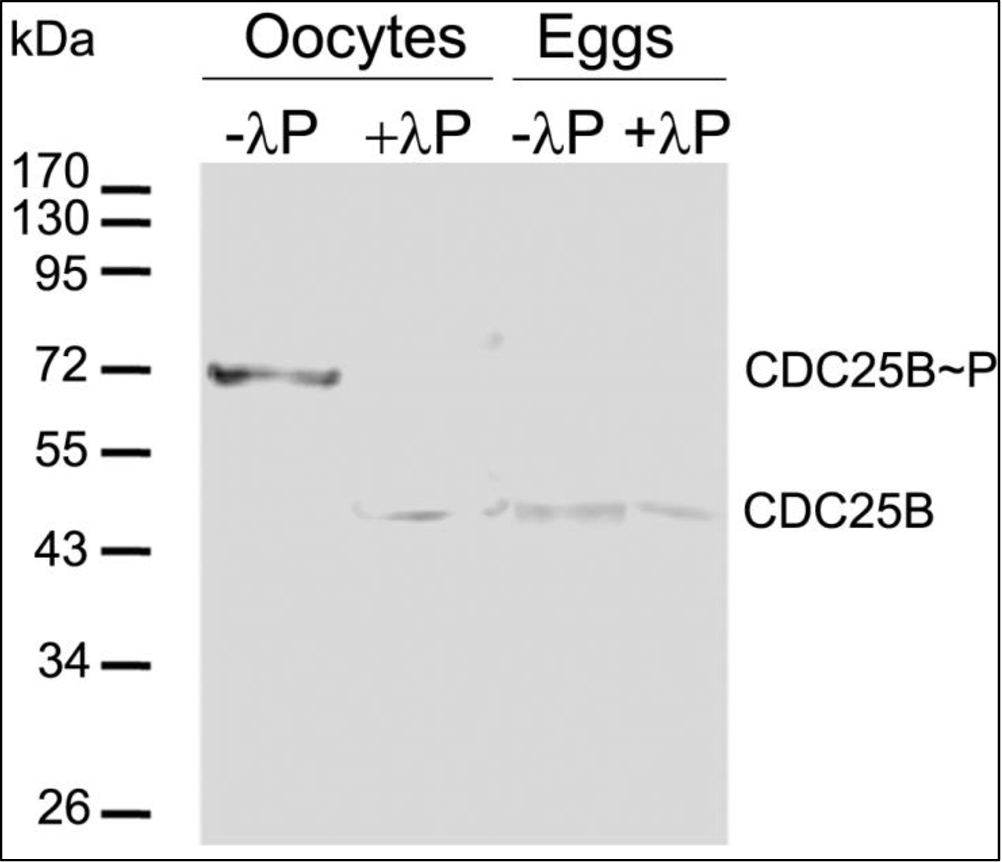
Seven genes encode seven distinct 14 3 3 proteins in most mammals See Human genes below and 13 15 genes in many higher plants though typically in fungi they are present only in pairs Protists have at least one Eukaryotes can tolerate the loss of a single 14 3 3 gene if multiple genes are expressed but deletion of all 14 3 3s as experimentally determined in yeast results in death 14 3 3 proteins are structurally similar to the Tetratrico Peptide Repeat TPR superfamily
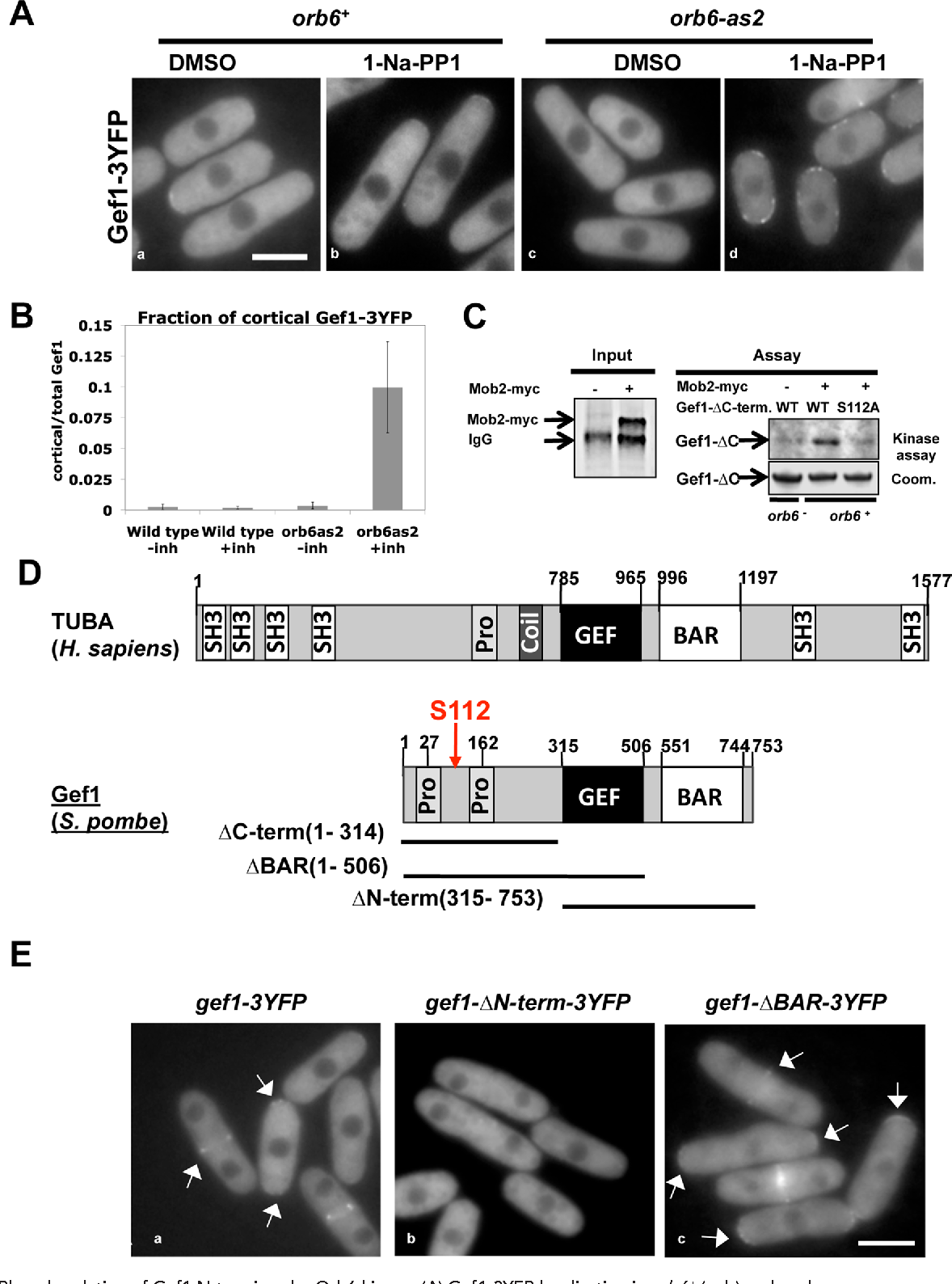
The 14 3 3 proteins are a family of conserved regulatory molecules expressed in all eukaryotic cells A striking feature of the 14 3 3 proteins is their ability to bind a
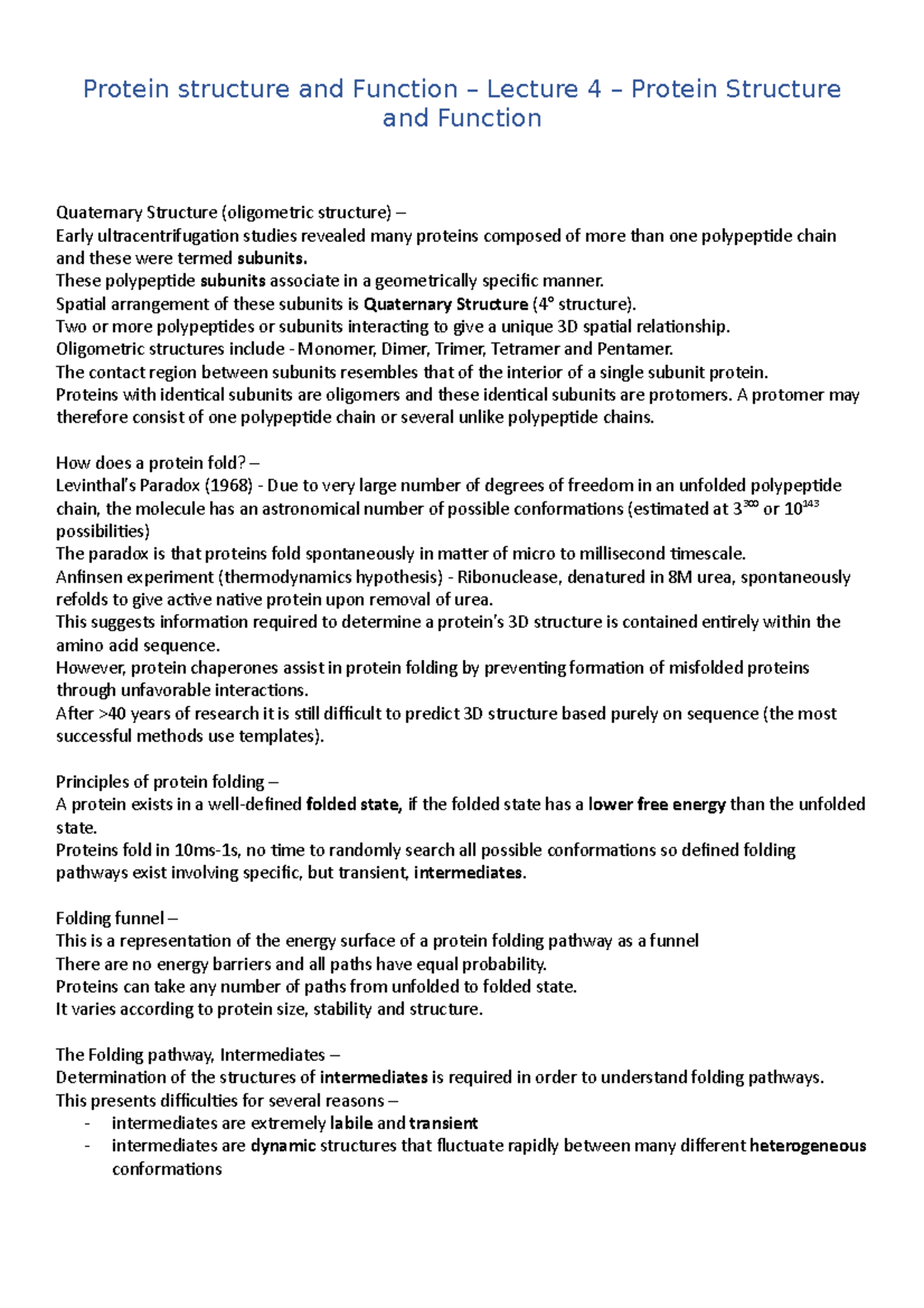
The 14 3 3 proteins are a family of conserved regulatory molecules expressed in all eukaryotic cells A striking feature of the 14 3 3 proteins is their ability to bind a

14 3 3 proteins are a family of structurally similar phospho binding proteins that regulate essentially every major cellular function Decades of research on 14 3 3s
The effects of 14 3 3 proteins on their targets can be broadly defined using three categories i conformational change ii physical occlusion of sequence specific or The effects of 14 3 3 proteins on their targets can be broadly defined using three categories i conformational change ii physical occlusion of sequence specific or
The 14 3 3 protein binding can affect the function of the target protein in many ways including the modulation of its enzyme activity its subcellular localization its structure